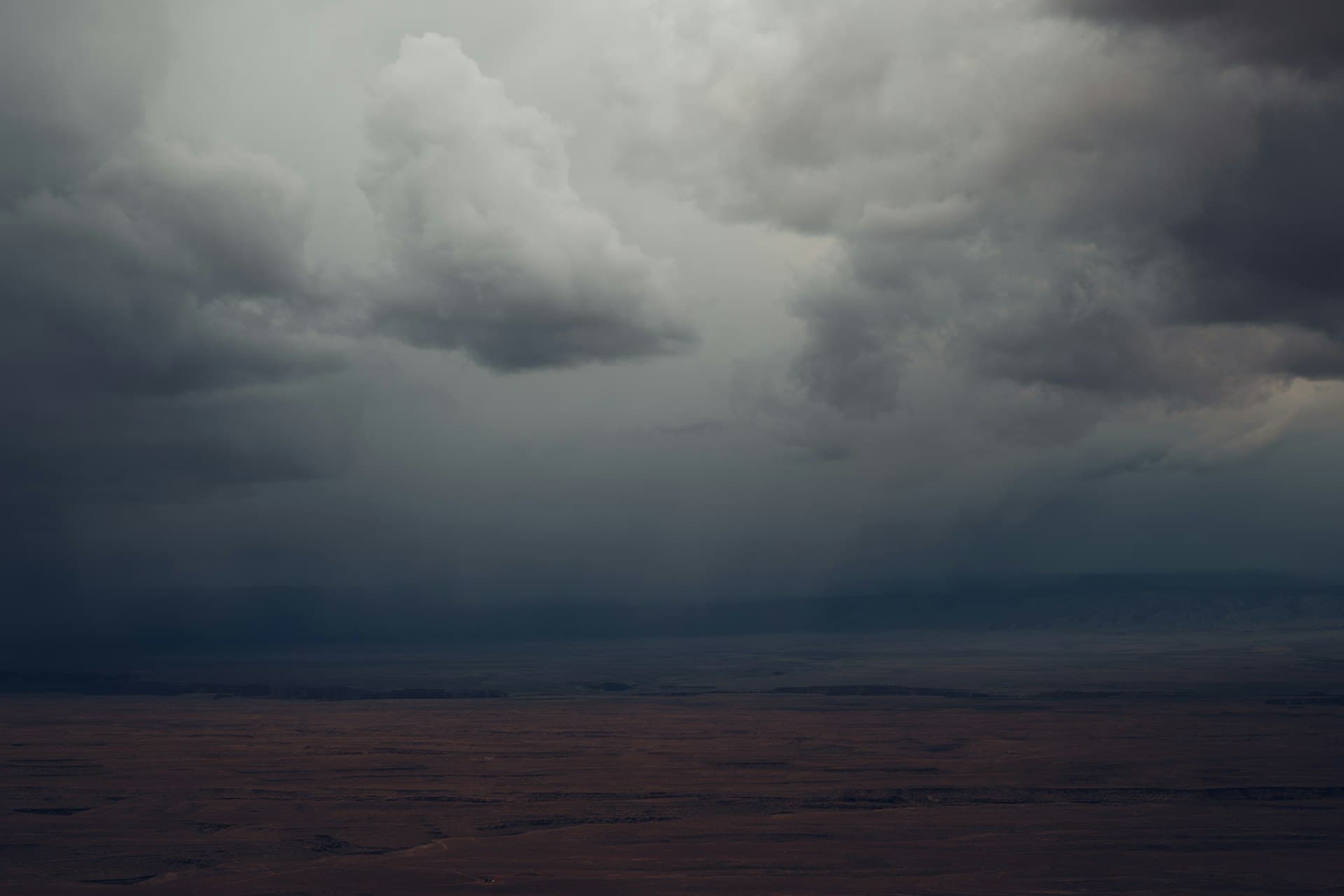
2025 Storm Events in Tucson

Recent severe weather that may have damaged roofs in your area

August 2025

Monsoon storms

Winds: 70+ mph predicted
Rain: Intense concentrated rainfall

Affected Areas:

Greater Tucson area

Roof damage from wind and water infiltration common during monsoon season

Tucson Arizona skyline at sunset with mountain silhouettes and city lights
Tucson, Arizona

Find Trusted roofing contractors in Tucson

8+ Local Prosready to help in Tucson

Connect with licensed, insured roofing contractors in Tucson, Arizona. Compare options and get a free quote today.

Local Contractors
8
verified & ready to help
Avg Rating
4.7/5
Best Time
October - November
All contractors licensed & insured

Photo: Photo by Andrew Schultz on Unsplash

Climate Impact

Climate Considerations in Tucson

Understanding Tucson's weather patterns helps you choose the right roofing materials and plan your project timing.

Arizona monsoon storm clouds gathering over desert landscape

Photo by Yuheng Ouyang on Unsplash

Challenge 1

Intense UV radiation causing material degradation

Challenge 2

Extreme summer heat exceeding 100°F for extended periods

Challenge 3

Thermal shock from 40°F+ daily temperature swings

Best Time to Roof
Optimal months for roofing projects

Best Months

OctoberNovemberMarchApril

Avoid if Possible

JulyAugust
Energy Considerations
How your roof affects energy costs
  • Cool roof coatings can reduce surface temperature by 50-60°F
  • Proper attic ventilation essential for heat management
  • Light-colored materials reflect more solar radiation
  • Tile roofs provide natural air circulation underneath
  • Energy-efficient roofing can reduce cooling costs by 10-25%
Tucson's Sonoran Desert climate presents unique and demanding challenges for residential and commercial roofing systems. With summer temperatures regularly exceeding 100 degrees Fahrenheit for weeks at a time, roofing materials face intense thermal stress that can cause expansion, contraction, and premature aging. The city receives an average of 286 sunny days per year, subjecting roofs to relentless UV radiation that breaks down organic compounds in roofing materials and fades protective coatings.

The monsoon season, typically running from July through September, brings an entirely different set of challenges. These powerful storms can produce winds exceeding 70 miles per hour, heavy downpours that test drainage systems, and occasional hail that damages even the most durable materials. Tucson homeowners often discover roof vulnerabilities only after a monsoon storm reveals leaks or wind damage.

The dramatic daily temperature swings characteristic of desert climates create thermal shock conditions that stress roofing materials. Daytime temperatures might reach 105 degrees Fahrenheit while nighttime lows drop to 65 degrees, creating a 40-degree swing that causes materials to expand and contract repeatedly. This thermal cycling accelerates wear on sealants, flashing, and the roofing materials themselves.

Dust storms, known locally as haboobs, add another layer of complexity. These events deposit fine particles that can clog drainage systems, abrade surfaces, and leave debris that holds moisture against the roof. Proper maintenance including regular cleaning and inspections is essential for maximizing roof lifespan in this challenging environment.

How Tucson's Climate Affects Materials

asphalt Shingles

Dry out, crack, curl and lose granules faster than in cooler climates

tile

Excellent heat resistance but underlayment needs replacement every 15-20 years

metal

Expands and contracts with temperature; reflects heat effectively

foam

UV coating essential; excellent insulation for flat roofs

Finding the right roofing contractor in Tucson can feel overwhelming with dozens of companies competing for your business. The difference between a quality installation that protects your home for decades and a problematic job that causes headaches for years often comes down to selecting the right professional. Tucson's extreme desert climate demands contractors who truly understand how intense UV radiation, triple-digit temperatures, and monsoon storms affect roofing systems.

Arizona law requires all roofing contractors to hold a valid license from the Registrar of Contractors (ROC). This licensing ensures contractors have demonstrated minimum experience requirements, passed business management testing, and submitted to background checks. The ROC provides homeowners with significant protections, including the ability to file complaints within two years of work completion and access to the Residential Contractors Recovery Fund for qualifying claims. Verifying contractor licensing is your first and most important step.

Connecting with qualified Tucson roofers who specialize in desert climate challenges gives you access to professionals who know which materials perform best under relentless Arizona sun. Local expertise matters when selecting between tile, metal, foam, and shingle options that will protect your home through monsoon seasons for years to come.
The Arizona Registrar of Contractors maintains a searchable online database at azroc.gov where you can verify any contractor's license status, check for complaints, and confirm their license classification covers roofing work. Before signing any agreement, look up the contractor's ROC number to ensure their license is current and in good standing. This simple verification step protects you from unlicensed operators who leave homeowners without recourse if problems arise.

Beyond licensing, look for manufacturer certifications that indicate advanced training and quality standards. GAF Master Elite certification, Owens Corning Preferred Contractor status, and similar designations mean the contractor has met stringent requirements for installation quality and customer service. These certifications often come with enhanced warranty options that add value to your roofing investment.

When evaluating Tucson contractors, prioritize those with established local presence. Companies operating in the Tucson market for five or more years understand the specific challenges of the Sonoran Desert climate and have track records you can verify through reviews and references. Ask for references from recent projects similar to yours and actually call them to ask about their experience.

Key questions to ask potential contractors include their experience with your specific roof type, how they handle monsoon season scheduling, what warranties they offer on both materials and labor, and how they manage permitting requirements. Request detailed written estimates that itemize materials, labor, and any additional work like decking repairs. Compare at least three estimates to understand fair market rates for your project.

Watch for warning signs that suggest problematic contractors: pressure to sign immediately, requests for large cash deposits, no physical local address, inability to provide references, and bids significantly lower than competitors. Out-of-state storm chasers who appear after monsoon damage often offer attractive deals but may not be available when warranty issues arise.

Roofing Materials for Tucson

Selecting the right roofing material for a Tucson home requires careful consideration of how each option performs under extreme desert conditions. The most popular choice remains tile roofing, available in both clay and concrete varieties. Clay tiles have protected Southwestern homes for centuries, offering exceptional heat resistance and natural air circulation beneath the tiles. With lifespans reaching 50 to 100 years, tile roofing stands as the premier long-term investment for Tucson homeowners. Concrete tiles provide similar durability and heat resistance, though they require structural support due to their weight, which can reach 900 to 1,200 pounds per square.

Metal roofing has gained significant popularity in Tucson for its combination of durability and energy efficiency. Modern metal roofs reflect solar radiation rather than absorbing it, reducing cooling loads by up to 25 percent according to energy studies. With lifespans of 40 to 70 years and excellent wind resistance during monsoons, metal roofing represents a strong long-term investment. Standing seam and corrugated metal options both perform exceptionally well in the Arizona climate when properly installed with thermal expansion allowances.

Foam roofing, specifically spray polyurethane foam, is ideal for the flat roofs common in older Tucson neighborhoods and mid-century homes. Foam creates a seamless, waterproof barrier with excellent insulation properties, helping maintain interior comfort during extreme heat. The seamless application eliminates joints where leaks commonly develop. Foam roofs require periodic recoating every 10 to 15 years but can last 20 to 30 years with proper maintenance.

Asphalt shingles remain an option but perform less optimally in Tucson's climate. Standard shingles may last only 15 to 20 years here versus 25 to 30 years in cooler climates due to accelerated UV degradation. Homeowners choosing shingles should select UV-resistant, reflective cool roof products designed specifically for extreme heat environments.

Roofing Permits in Tucson

Tucson's permit requirements for roofing projects are relatively straightforward for most homeowners. The City of Tucson Planning and Development Services Department handles all building permits through their online Tucson Development Center portal. The good news for many homeowners is that like-for-like roof replacements using the same materials typically do not require a permit. This means replacing your tile roof with new tile or your shingle roof with new shingles can often proceed without the permit process.

However, permits become mandatory when the project involves replacing roof sheathing or the structural roof deck. Any work that changes the roof structure or adds significant weight requires proper permitting and inspections to ensure structural integrity. Properties located within Tucson's Historic Preservation Zones face additional requirements, including a Historical Preservation Design Review that ensures new roofing maintains the architectural character of these protected neighborhoods.

For projects in unincorporated Pima County, the Pima County Development Services Department handles permits through their own online portal. Processing times typically range from one to five business days for straightforward residential applications. Working with an experienced local roofing contractor simplifies this process significantly, as reputable contractors handle permit applications regularly and know exactly what documentation each jurisdiction requires. Most established Tucson roofers include permit coordination as part of their standard service.

Choosing a roofing contractor in Tucson

Choosing the right roofing contractor in Tucson requires careful vetting, especially given the unique challenges of the desert climate. The Arizona Registrar of Contractors (ROC) licenses all legitimate roofing contractors in the state, and verifying this license is the essential first step. Look up any contractor's ROC number online at azroc.gov to confirm their license is active and check for any complaints or disciplinary actions.

Tucson's established roofing contractors like Lyons Roofing, with over 30 years serving the community, and GreenGo Roofing, known for innovative restoration solutions, have built reputations by understanding local climate challenges. Companies like Fletcher Roofing and Roofsavers Locke Roofing, with decades of Tucson experience, know which materials perform best under intense sun and monsoon conditions.

Be especially wary of out-of-state contractors who appear after monsoon storms, offering quick repairs at attractive prices. These storm chasers often disappear before warranty issues arise. Look for contractors with a physical local address, five or more years in business in the Tucson area, and manufacturer certifications from brands like GAF or Owens Corning. Always get written estimates from at least three contractors, verify insurance coverage, and ask for recent references from Tucson projects. A quality contractor will welcome these questions and provide documentation without hesitation.

Local Insights

Tucson's diverse neighborhoods each present distinct roofing considerations shaped by geography, architecture, and community standards. In the Catalina Foothills, luxury custom homes nestled against the Santa Catalina Mountains feature predominantly tile roofing designed to complement the stunning desert landscape while withstanding intense mountain exposure and occasional higher wind conditions at elevation. These properties often require contractors experienced with complex roof lines and premium materials that match the upscale aesthetic of the area.

Oro Valley to the north represents newer construction with strong HOA presence, where tile roofing dominates and homeowners must navigate approval processes before any roof work begins. The master-planned communities here enforce strict color matching and material requirements, making it essential to work with contractors familiar with HOA compliance procedures. Similarly, the 55-plus communities scattered throughout the Tucson metro area maintain architectural standards that limit roofing choices.

Downtown and the Historic Districts tell a different story, where flat roofs and adobe-style architecture prevail. Properties within Historic Preservation Zones face additional design review requirements, and foam roofing has become the preferred solution for these characteristically flat-roofed structures. Midtown showcases Tucson's mid-century modern heritage, where the mix of roof types includes many flat roofs ideal for spray foam applications.

East Tucson offers the greatest variety, with homes ranging from affordable starter properties to established family neighborhoods. The tile and shingle mix here provides options for various budgets, though all homeowners must consider the same intense UV exposure and monsoon threats that affect the entire region.
Taking time to properly vet roofing contractors protects your home and your investment. Arizona's ROC licensing system provides important safeguards, but the responsibility for selecting a qualified professional ultimately rests with you as the homeowner. Verify licenses, check references, compare detailed estimates, and trust your instincts about professionalism and communication.

Quality Tucson roofing contractors welcome your questions and provide documentation readily. They understand that informed homeowners make the best clients and that transparency builds trust. The right contractor will take time to explain your options, discuss material performance in the local climate, and help you make decisions that serve your home's long-term interests.

Ready to connect with qualified local roofers who understand Tucson's unique challenges? Get matched with licensed, experienced contractors who can assess your roof and provide detailed recommendations for your specific situation.
8

Verified roofing contractors

Verified local contractors serving Tucson, Arizona. All contractors are licensed and insured for roofing work in your area.

Highest Rated

GreenGo Roofing

4.9(85 reviews)

Locally owned Tucson company known for roof restoration and energy-efficient solutions

Licensed10+ years
Roof RepairRoof MaintenanceTile RoofingLifetime Layover System
2

Lyons Roofing

4.8 · 150 reviews

3

Fletcher Roofing LLC

4.8 · 60 reviews

4

Roofsavers Locke Roofing

4.7 · 120 reviews

5

Southern Arizona Roof Associates

4.7 · 90 reviews

6

Blue Mountain Roofing

4.6 · 45 reviews

+ 2 more roofing contractors

More roofing contractors in Tucson

Hallmark Roofing
4.6(55 reviews)
Licensed30+ years

Specialties

Flat RoofsTile RoofsShingle RoofsRoof Replacements

Over 30 years of industry experience providing top-tier craftsmanship across Southern Arizona

AA Brite 24/7
4.5(75 reviews)
Licensed22+ years

Specialties

Emergency Roof PatchingFlat Roof RepairStucco PatchingResidential Roofing

Founded in 2003, locally owned company offering 24/7 emergency roofing services

Ready to Get Started?

Get matched with a licensed roofing contractor in Tucson — free estimates, no obligation.

Call (888) 292-4579 - Free Quote

Complete Tucson Roof Replacement Guide

Everything you need to know about roof replacement in Tucson. Expand any section for details.

Interior Signs

  • Water stains on ceilings or walls
  • Daylight visible through the roof boards
  • Musty odors in attic or upper floors
  • Peeling or blistering paint near roofline
  • Mold or mildew growth in attic
  • Unexplained increase in cooling bills

Exterior Signs

  • Cracked, curled, or buckling shingles
  • Missing shingles or tiles
  • Excessive granules in gutters (looks like black sand)
  • Visible sagging in roof deck
  • Damaged or corroded flashing
  • Moss, algae, or dark streaks on roof surface
  • Loose or exposed roofing nails
  • Chimney or vent damage

25% Rule: If repair needs affect more than 25% of the roof or your roof is older than 20 years with multiple issues, replacement is usually the smarter long-term decision. Roofs with recurring problems often benefit from full replacement rather than repeated repairs.

Tucson at a Glance

Local neighborhoods, climate conditions, and landmarks that influence roofing decisions

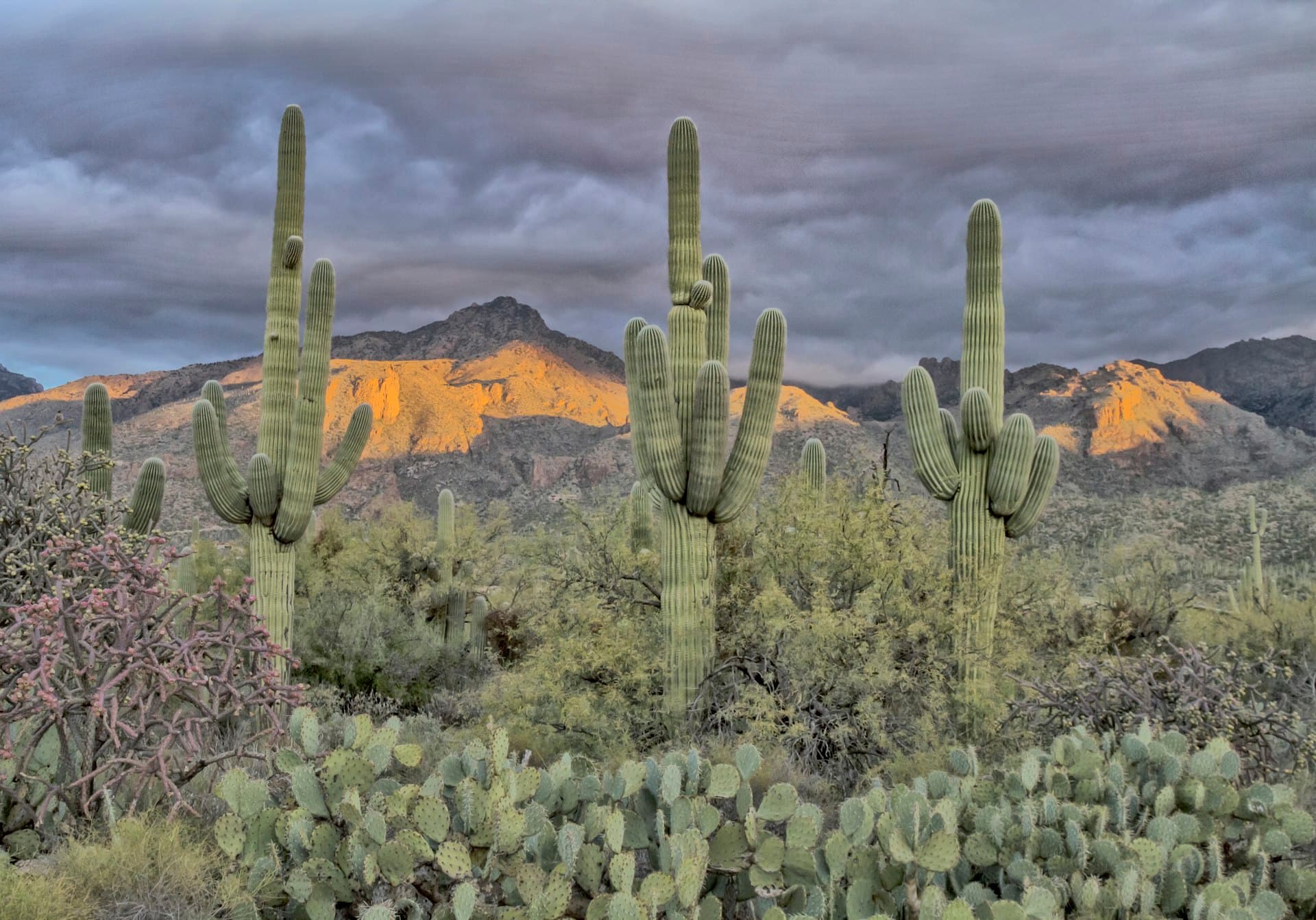
Saguaro cacti with Catalina Mountains in Sabino Canyon area of Tucson

Catalina Foothills

Saguaro cacti with Catalina Mountains in Sabino Canyon area of Tucson

Photo by Dulcey Lima on Unsplash

Luxury desert homes on hillside in Tucson Arizona with southwestern architecture

Tucson Luxury Homes

Luxury desert homes on hillside in Tucson Arizona with southwestern architecture

Photo by JC Cervantes on Unsplash

Suburban homes with tile roofs in Tucson Arizona neighborhood

Residential Area

Suburban homes with tile roofs in Tucson Arizona neighborhood

Photo by George Njukeng on Pexels

Arizona monsoon storm clouds gathering over desert landscape

Local Climate

Arizona monsoon storm clouds gathering over desert landscape

Photo by Yuheng Ouyang on Unsplash

Iconic saguaro cactus at Saguaro National Park near Tucson Arizona

Local Landmark

Iconic saguaro cactus at Saguaro National Park near Tucson Arizona

Photo by Kate on Unsplash

Frequently Asked Questions

Common questions about roof replacement in Tucson, Arizona

Still have questions? Speak with a local expert.

Call (888) 292-4579
Get Your Free Roofing Estimate
Fill out the form below and we'll connect you with trusted local contractors in Tucson, Arizona.

By submitting this form, you authorize Local Roof Cost and our network of partner contractors to contact you via phone, email, or SMS regarding your roofing project. You understand that these calls or messages may be made using automated technology and that your consent is not a condition of purchase. Standard message and data rates may apply. You may opt out at any time by replying STOP or contacting us directly.

Ready to Get Your Roof Replaced?

Connect with trusted roofing contractors in Tucson, Arizona today. Get free estimates from licensed, insured professionals.

Free estimates in 24 hours
Licensed & insured contractors
Top-rated local companies
Call Now