
Roof Repair & Roofing Contractors in Glendale, Arizona
7+ licensed, insured roofers in Glendale. Call to get matched.
Updated May 2026 · 7 local pros
(844) 578-3077Photo: Photo by Colin Lloyd on Unsplash
Glendale Weather and Your Roof
Glendale's weather affects which materials last and when you should schedule your project.
Photo by Yuheng Ouyang on Unsplash
Extreme summer heat exceeding 115 degrees Fahrenheit causing thermal shock
Intense UV radiation year-round accelerating material degradation
40-degree temperature swings between winter nights and summer days
Recommended Months
Avoid if Possible
- Cool roofing materials can reduce cooling costs by 20-25%
- Proper attic ventilation critical to prevent heat buildup
- Radiant barrier now required by code in many Phoenix metro cities
- Light-colored or reflective roofs significantly reduce AC load
- Metal and tile roofs with airspace beneath provide natural insulation
The monsoon season, typically running from June through September, adds another layer of challenge for Glendale roofs. These sudden, violent storms can bring wind gusts exceeding 60 miles per hour, hail up to 2.5 inches in diameter (as seen in the September and October 2025 storms that affected thousands of homes across the Phoenix metro), and intense rainfall that tests every seal and flashing point on a roof. The September 26, 2025 storm alone dropped 1.64 inches of rain at Phoenix Sky Harbor Airport, the highest single-day rainfall since October 2018, while simultaneously pummeling roofs with tennis ball-sized hail.
Dust storms, known locally as haboobs, create abrasive conditions that accelerate wear on roofing surfaces, while the relentlessly low humidity causes materials to become brittle over time. These combined factors mean that roofing materials in Glendale typically last 20-30% shorter than their national average lifespans. Standard asphalt shingles that might last 25-30 years in milder climates often fail within 15-20 years in Glendale's harsh conditions. Homeowners must factor these climate realities into their roofing decisions, choosing materials specifically engineered for desert performance and planning for more frequent maintenance and earlier replacement than homeowners in temperate regions.
How Glendale's Climate Affects Materials
asphalt Shingles
Reduced lifespan to 15-20 years due to UV damage and thermal cycling; granule loss accelerated
tile
Excellent heat resistance but underlayment must be replaced every 20-25 years; tiles can crack from thermal expansion
metal
Reflects up to 70% solar heat reducing cooling costs by 25%; expands and contracts with temperature changes
foam
Provides excellent insulation but requires recoating every 10-12 years to maintain UV protection
Does Your Glendale Roof Need Replacing?
Look for these red flags. They mean your roof may be past its prime.
- Water stains on ceilings or walls that reappear after painting
- Daylight visible through roof boards in attic
- Sagging spots on ceiling indicating rotted decking
- Musty odors indicating hidden moisture or mold
- Peeling paint or wallpaper near the roofline
- Increased energy bills from poor insulation
- Curling, buckling, or missing shingles after heat waves
- Cracked or slipping concrete/clay tiles from monsoon winds
- Granules accumulating in gutters (sand-like material from shingles)
- Flashing pulling away around chimneys, vents, and valleys
- Algae streaks or black stains holding moisture
- Dented gutters, downspouts, or vents after hailstorms
- Visible cracks, holes, or exposed underlayment
Replace vs. Repair: The 25% Rule
If damage covers more than 30% of the roof or your roof is approaching the end of its expected lifespan, full replacement typically makes more sense than extensive repairs. For roofs over 20 years old in Arizona's climate, replacement is usually recommended over extensive repairs.
What to Know About Roofing in Glendale
Roof styles and common problems specific to Glendale
Mix of Spanish/Mediterranean tile roofs in established neighborhoods and shingle roofs in newer developments. Flat roofs common on commercial buildings and modern residential designs.
Energy efficiency is critical due to extreme cooling demands. Cool roof materials, proper ventilation, and radiant barriers are increasingly standard. Metal roofing gaining popularity for heat reflection.
Monsoon season (June-September) brings sudden severe storms. September-October 2025 saw multiple major hailstorms affecting the Phoenix metro including Glendale. Impact-resistant materials recommended.
- Thermal shock from extreme temperature swings cracking tiles and degrading shingles
- UV degradation reducing material lifespan significantly compared to other climates
- Underlayment failure on tile roofs - tiles may look fine but underlayment fails after 20-25 years
- Monsoon wind and hail damage requiring emergency repairs
- Dust accumulation in valleys and around penetrations
- HOA compliance issues in planned communities
Roofing by Neighborhood
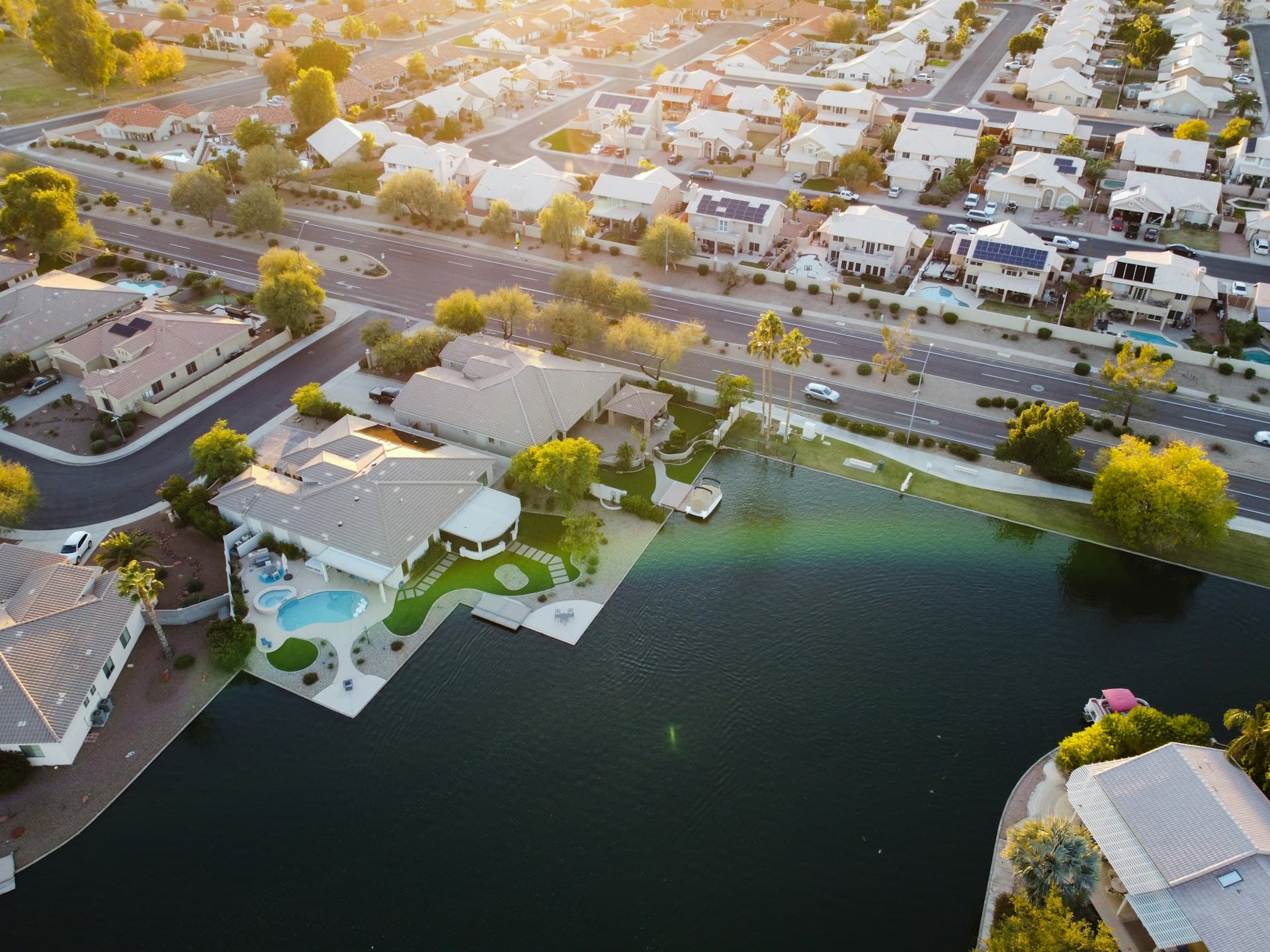
Glendale borders Sun City and Sun City West, major 55+ communities with specific roofing contractors (like Jim Brown and Sons) serving as exclusive HOA providers.
roofing contractors in Glendale
Jim Brown and Sons Roofing
Prowest Roofing
Phillips Roofing LLC
Stonecreek Roofing
Roofing All Stars
+ 2 more in Glendale
Need a roofing contractor in Glendale?
(844) 578-3077How to Pick a Roofer in Glendale
What to look for when hiring a roofer, and what to avoid.
- ROC (Registrar of Contractors) license number displayed on website and materials
- Local warehouse or office you can visit
- Extensive Google reviews (100+)
- Brings material samples to the estimate
- Explains permit process without being asked
- Offers to meet with insurance adjuster for storm damage claims
- Clear written estimate with line-item breakdown
- Manufacturer certifications (GAF Master Elite, Owens Corning Preferred, etc.)
- Pressure to sign immediately with 'friends and family' discounts
- No physical address or only a PO box
- Pressure to file insurance claims when no storm damage exists
- Cannot provide certificate of insurance promptly
- Out-of-state plates and door-to-door solicitation after storms (storm chasers)
- Demands large upfront payment before work begins
- No written warranty or vague warranty terms
Storm Chaser Warning: After major storms, out-of-town contractors often go door-to-door offering quick repairs. Be cautious — reputable local contractors build business through referrals, not high-pressure tactics. Always verify licensing and get multiple quotes.
Filing Insurance Claims in Glendale
How to file a roof damage claim with your insurance company, step by step.
- Document damage immediately with photos and videos before any cleanup
- Conduct ground-level assessment only - do not climb on damaged roof
- Check gutters for granule accumulation (looks like coarse sand)
- Report damage to insurance company promptly
- Have your roofer present when the adjuster visits to point out all damage
- Keep all receipts for temporary repairs (tarps, emergency fixes) - these are typically reimbursable
- Get detailed documentation from your roofer in the format adjusters require
- Understand the difference between RCV (Replacement Cost Value) and ACV (Actual Cash Value) policies
- 1Stay safe - do not climb on damaged roof
- 2Document all damage with extensive photos and video
- 3Apply emergency tarping to prevent further water intrusion
- 4Call insurance company to file claim and get claim number
- 5Schedule professional roof inspection
- 6Have roofer meet with insurance adjuster
- 7Review adjuster's report and contractor's estimate
- 8File supplement if adjuster missed damage or underestimated scope
- 9Complete repairs after claim approval
Document Everything
Photos before & after
Call Within 48 Hours
Report damage promptly
Keep All Records
Save communications
Important: If storm damage covers 25% or more of your roof, insurance usually pays for a full replacement.
HOA Roofing Rules in Glendale
High - Many Glendale neighborhoods are master-planned communities with active HOAs, especially Arrowhead Ranch and newer developments. Some neighborhoods have rules about roofing materials, colors, or contractors. Check before you start.
- Material type limited to original community design (often tile or specific shingle styles)
- Color must match approved palette and neighboring homes exactly
- Solar panels may be restricted or require specific mounting types
- Skylights, vents, and other roof penetrations regulated
- Fascia, soffit, and trim colors must match guidelines
Required Documents:
- Architectural application form
- Contractor license info
- Color samples
- Product brochures
- Photos of current roof and proposed changes
Emergency Repairs: Some HOAs allow emergency tarping without pre-approval, but not all. Check with board before proceeding.
In Arizona, most HOA roofing codes specify Spanish-style tile in terracotta or slate colors
- Request current CC&Rs before planning any roof work
- Work with contractors experienced in HOA compliance
- Submit documentation early to avoid delays
- Get all approvals in writing and keep records
- Check emergency repair guidelines with board before assuming exemptions
Glendale Communities with HOA Roofing Rules:
Arrowhead Ranch • Thunderbird Mountain • Bellair
Roofing Permits in Glendale
Here's what you need to know about permits before your roofing project starts.
Permit Required
Yes
Processing Time
1-2 weeks for standard review
Issuing Authority
City of Glendale Building Safety Division
- 1Building Safety Division temporarily relocated to 5754 W Glenn Dr, Glendale, AZ 85301
- 2Plans submitted via email for electronic review
- 3Must include completed permit application, construction drawings, and calculations in PDF format
- 4For commercial projects, drawings usually prepared by architect
- 5Homeowners may prepare drawings for home improvement projects if accurate and complete
- 6Call 623-930-2800 for Development Services questions
Official Resources
Pro Tip: Most reputable contractors handle the permit process for you as part of the project. Verify this is included in your contract before signing.
How Roof Replacement Works in Glendale
Here's what happens step by step, from the first inspection to the final walkthrough.
Inspection and estimate with drone photos (30-45 minutes)
Detailed written estimate with material samples and options
HOA approval obtained if required (allow several weeks)
Building permit pulled from City of Glendale
Materials delivered and property/landscaping protected
Old roof tear-off (typically 1-2 days)
Decking inspection and replacement as needed
New underlayment and ice/water shield in valleys installed
New flashing, vents, and drip edge installed
New roofing material installed per manufacturer specs
Final cleanup with magnetic sweep for nails
City inspection and warranty paperwork
Pro Tip
Get everything in writing before work begins, including scope, materials, timeline, and warranty terms. A detailed contract protects both you and the contractor.
Frequently Asked Questions
Answers to common roofing questions in Glendale, Arizona
Have a question? Give us a call.
Call (844) 578-3077More Cities in Arizona
See roofing contractors in other AZ cities
Still comparing roofers?
Talk to one before you decide. No obligation — the first call is fact-finding.
(844) 578-3077