

Roof Repair & Roofing Contractors in Mesa, Arizona
8+ licensed, insured roofers in Mesa. Call to get matched.
Updated May 2026 · 8 local pros
(844) 578-3077Photo: Photo by Colin Lloyd on Unsplash
Mesa Weather and Your Roof
Mesa's weather affects which materials last and when you should schedule your project.
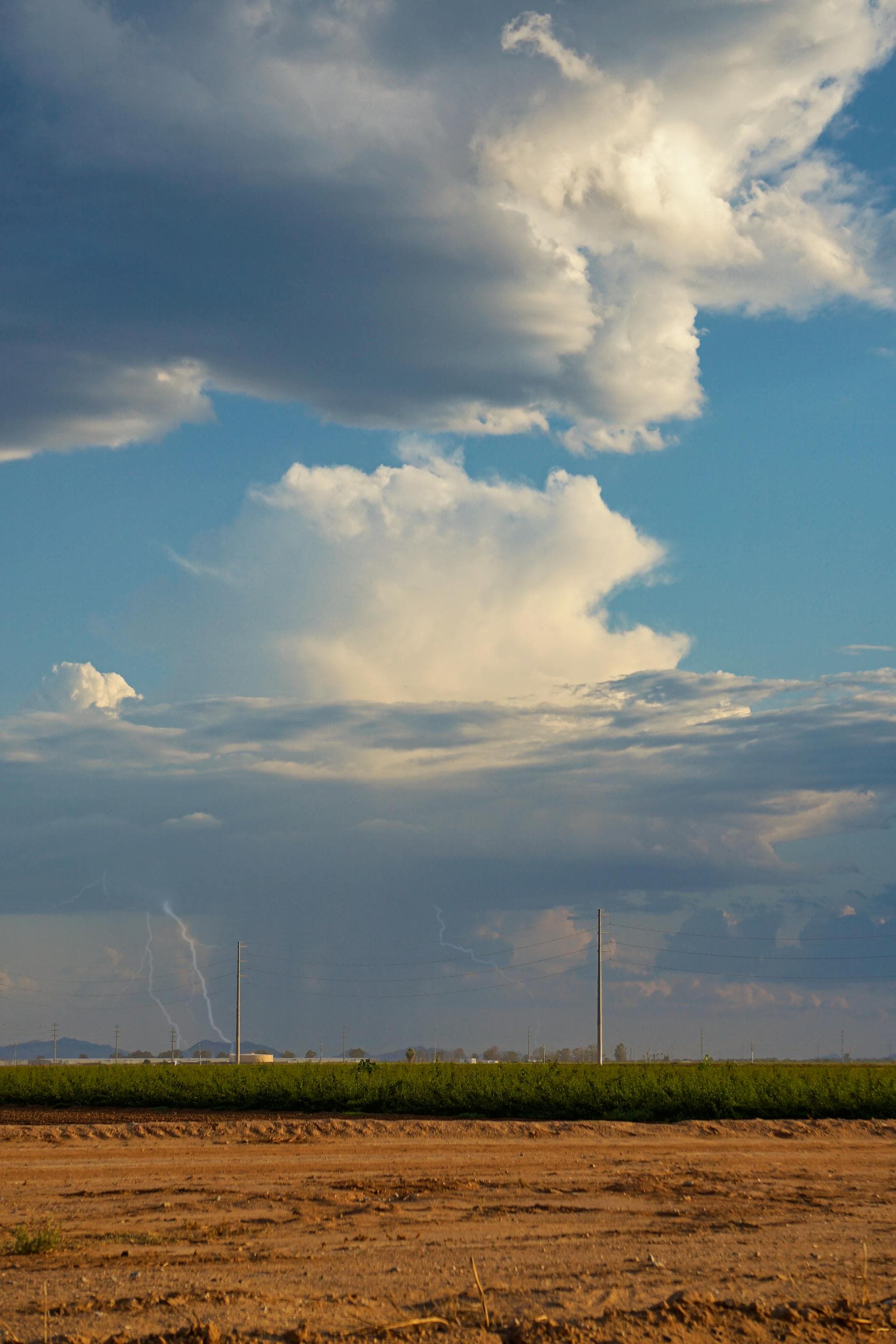
Photo by Jose Aldana on Pexels
Extreme heat with summer temperatures regularly exceeding 115F
Roof surface temperatures can reach 160F+ in direct sun
Intense UV exposure with 300+ days of sunshine annually
Recommended Months
Avoid if Possible
- Metal roofs can significantly reduce cooling demands annually
- Light-colored materials reflect heat and lower AC bills
- Proper attic ventilation essential for energy efficiency
- Cool roof coatings can reflect 65-90% of solar energy
The city receives over 300 days of sunshine annually, subjecting roofing materials to relentless ultraviolet radiation. This UV exposure causes asphalt shingles to lose protective granules prematurely, tile underlayment to deteriorate from beneath, and foam coatings to break down without proper maintenance. Homeowners often discover their roofs have aged 10 years in half that time compared to identical installations in cooler regions.
Monsoon season, spanning July through September, brings a dramatic shift in weather patterns. Moisture from the Gulf of California fuels intense thunderstorms that can develop within minutes, producing microbursts with wind gusts exceeding 60-70 miles per hour. These sudden, violent winds lift shingles, displace tiles, and tear away flashing around vents and chimneys. Hailstorms, though surprising in a desert environment, occur regularly during monsoons due to the atmospheric collision of hot surface air and cold upper air masses.
Haboob dust storms add another challenge unique to the Mesa area. These massive walls of dust and debris can strike with little warning, carrying sand and objects that abrade roofing surfaces and clog ventilation systems. The combination of extreme daily temperature swings of 30-40 degrees further stresses materials through constant expansion and contraction cycles. Understanding these climate factors is essential for Mesa homeowners making roofing decisions that will protect their homes for decades.
How Mesa's Climate Affects Materials
asphalt Shingles
Lifespan reduced to 12-18 years vs 20-25 in moderate climates; accelerated granule loss from UV
metal Roofing
Excellent performance; requires proper installation for thermal expansion
tile Clay
Performs well but may shift during monsoons; underlayment critical
foam
Good insulation but requires UV coating maintenance
slate
Risk of thermal shock cracking during extreme temperature swings
Does Your Mesa Roof Need Replacing?
Look for these red flags. They mean your roof may be past its prime.
- Water stains on ceilings or walls
- Daylight visible through roof boards in attic
- Wet attic insulation
- Mold or mildew in attic spaces
- Peeling paint near roofline
- Increased energy bills from AC running more
- Curling, cracked, or missing shingles
- Granule loss (granules in gutters)
- Broken, shifted, or missing tiles
- Damaged or missing flashing around vents and chimneys
- Sagging roof lines
- Moss or algae growth (rare in Mesa but indicates moisture)
- Dented metal vents or flashing from hail
Replace vs. Repair: The 25% Rule
If damage affects more than 30% of the roof surface, or if the roof is over 15-20 years old with widespread issues, full replacement is typically more effective than repairs. Localized damage from a single storm event can usually be repaired.
What to Know About Roofing in Mesa
Roof styles and common problems specific to Mesa
Tile roofing is prevalent, especially in established Mesa neighborhoods and HOA communities. Newer developments often feature architectural shingles. Foam roofing is common on flat-roof homes.
Energy efficiency is a top priority due to extreme cooling demands. Light-colored and reflective roofing materials command premium value. Many buyers specifically ask about roof age and material due to cooling implications.
Monsoon season (July-September) drives significant roofing demand. Proactive inspections before monsoon season are recommended. Emergency services are in high demand during and after major storms.
- Accelerated shingle deterioration from UV exposure
- Tile underlayment failure (often hidden until leaks occur)
- Monsoon wind damage to ridge caps and loose tiles
- Thermal expansion issues with improperly installed metal roofs
- Foam roof coating degradation requiring recoating every 5-10 years
Roofing by Neighborhood
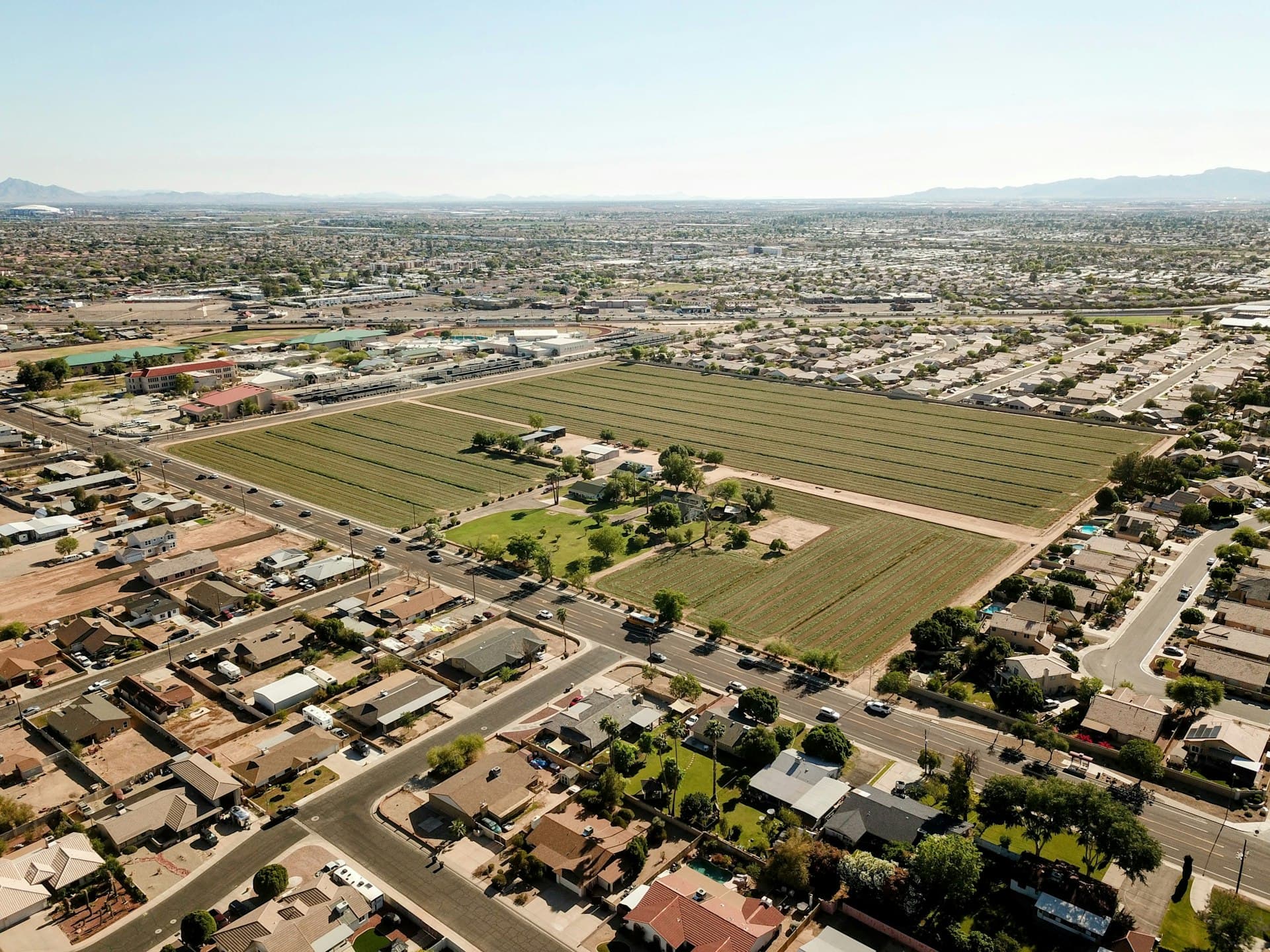
Mesa has numerous 55+ communities including Sunland Village and Leisure World. These often have HOA-approved contractor lists and streamlined approval processes for roofing work.
roofing contractors in Mesa
Roof Rite AZ
America Roofing
Jim Brown and Sons Roofing
Lyons Roofing
Panda Roofing & Construction
+ 3 more in Mesa
Need a roofing contractor in Mesa?
(844) 578-3077How to Pick a Roofer in Mesa
What to look for when hiring a roofer, and what to avoid.
- Arizona ROC licensed with verifiable license number
- Liability insurance and workers compensation coverage
- Local Mesa presence with established reputation
- Familiarity with monsoon climate and HOA requirements
- Written warranty on materials AND workmanship
- Multiple positive reviews on Google, Yelp, BBB
- Transparent written estimates with no hidden fees
- Willing to help with permit applications
- Storm chasers offering quick cheap repairs after weather events
- High-pressure sales tactics pushing immediate signing
- Cash-only deals with no written contract
- No local business address or references
- Unable to provide license or insurance documentation
- Unusually low bids that seem too good to be true
- Unwilling to pull permits or involve city inspection
Storm Chaser Warning: After major storms, out-of-town contractors often go door-to-door offering quick repairs. Be cautious — reputable local contractors build business through referrals, not high-pressure tactics. Always verify licensing and get multiple quotes.
Filing Insurance Claims in Mesa
How to file a roof damage claim with your insurance company, step by step.
- Document damage immediately with photos and video
- Note storm date, time, and conditions (wind, hail size)
- Take temporary measures to prevent further damage (tarping, buckets)
- Keep receipts for emergency materials and mitigation efforts
- Get professional roof inspection before adjuster visit
- Understand the difference between wind/hail damage (usually covered) and flood damage (usually NOT covered)
- Create organized claim folder with all documentation
- Don't make permanent repairs before adjuster inspection
- 1Day 0-3: Document damage, mitigate further loss, file claim
- 2Day 3-14: Adjuster inspection scheduled
- 3Day 7-21: Coverage decision and estimate provided
- 4Day 14-45: Repairs begin once approved
- 5Supplemental claims common if hidden damage discovered during work
Document Everything
Photos before & after
Call Within 48 Hours
Report damage promptly
Keep All Records
Save communications
Important: If storm damage covers 25% or more of your roof, insurance usually pays for a full replacement.
HOA Roofing Rules in Mesa
Very common in Mesa; most planned communities and subdivisions have HOA oversight for roofing projects. Some neighborhoods have rules about roofing materials, colors, or contractors. Check before you start.
- Material type must match community standards (often tile only)
- Color must be pre-approved and match neighbors
- Contractor must provide license and insurance documentation
- Solar panel installations may be restricted or require specific types
- Roof-mounted equipment (satellite dishes, HVAC) may have placement rules
Required Documents:
- Contractor license and insurance certificates
- Product specifications and brochures
- Color samples or swatches
- Project timeline and scope of work
- Photos of current roof condition
Emergency Repairs: Some HOAs allow emergency repairs without pre-approval, but documentation must be submitted promptly. Verify with your specific HOA before proceeding.
Bright or unconventional colors typically prohibited. Must coordinate with home exterior.
- Request current CC&Rs and architectural guidelines before planning
- Get approvals in writing and keep records
- Work with contractors experienced in HOA compliance
- Submit complete applications to avoid back-and-forth delays
- Don't assume urgency exempts you from approval requirements
Mesa Communities with HOA Roofing Rules:
Las Sendas • Eastmark • Sunland Village • Leisure World • Red Mountain Ranch
Roofing Permits in Mesa
Here's what you need to know about permits before your roofing project starts.
Permit Required
Yes
Processing Time
1-5 business days
Issuing Authority
City of Mesa Development Services
- 1You can replace your roof with the same material type or better following manufacturer instructions
- 2Like-for-like replacements using same materials generally exempt from full permit if following code
- 3Historic homes require Planning Division approval before any roofing work
- 4Emergency repairs can be submitted by the next business day
- 5Mesa requires wind uplift resistance due to monsoon conditions
- 6Fire ratings are enforced due to Arizona wildfire risk
- 72024 International Codes (I-Codes) take effect January 8, 2026
Official Resources
Pro Tip: Most reputable contractors handle the permit process for you as part of the project. Verify this is included in your contract before signing.
How Roof Replacement Works in Mesa
Here's what happens step by step, from the first inspection to the final walkthrough.
Schedule professional roof inspection
Get 3+ written estimates from licensed contractors
Check HOA requirements and submit approval application if needed
Obtain necessary permits from City of Mesa
Schedule work (early morning starts common to avoid heat)
Old roof removal and disposal
Deck inspection and repairs if needed
Underlayment and flashing installation
New roofing material installation
Cleanup and final inspection
City inspection and permit closure
Pro Tip
Get everything in writing before work begins, including scope, materials, timeline, and warranty terms. A detailed contract protects both you and the contractor.
Frequently Asked Questions
Answers to common roofing questions in Mesa, Arizona
Have a question? Give us a call.
Call (844) 578-3077More Cities in Arizona
See roofing contractors in other AZ cities
Still comparing roofers?
Talk to one before you decide. No obligation — the first call is fact-finding.
(844) 578-3077