

Roof Repair & Roofing Contractors in Phoenix, Arizona
7+ licensed, insured roofers in Phoenix. Call to get matched.
Updated May 2026 · 7 local pros
(844) 578-3077Photo: Photo by Nils Huenerfuerst on Unsplash
Phoenix Weather and Your Roof
Phoenix's weather affects which materials last and when you should schedule your project.
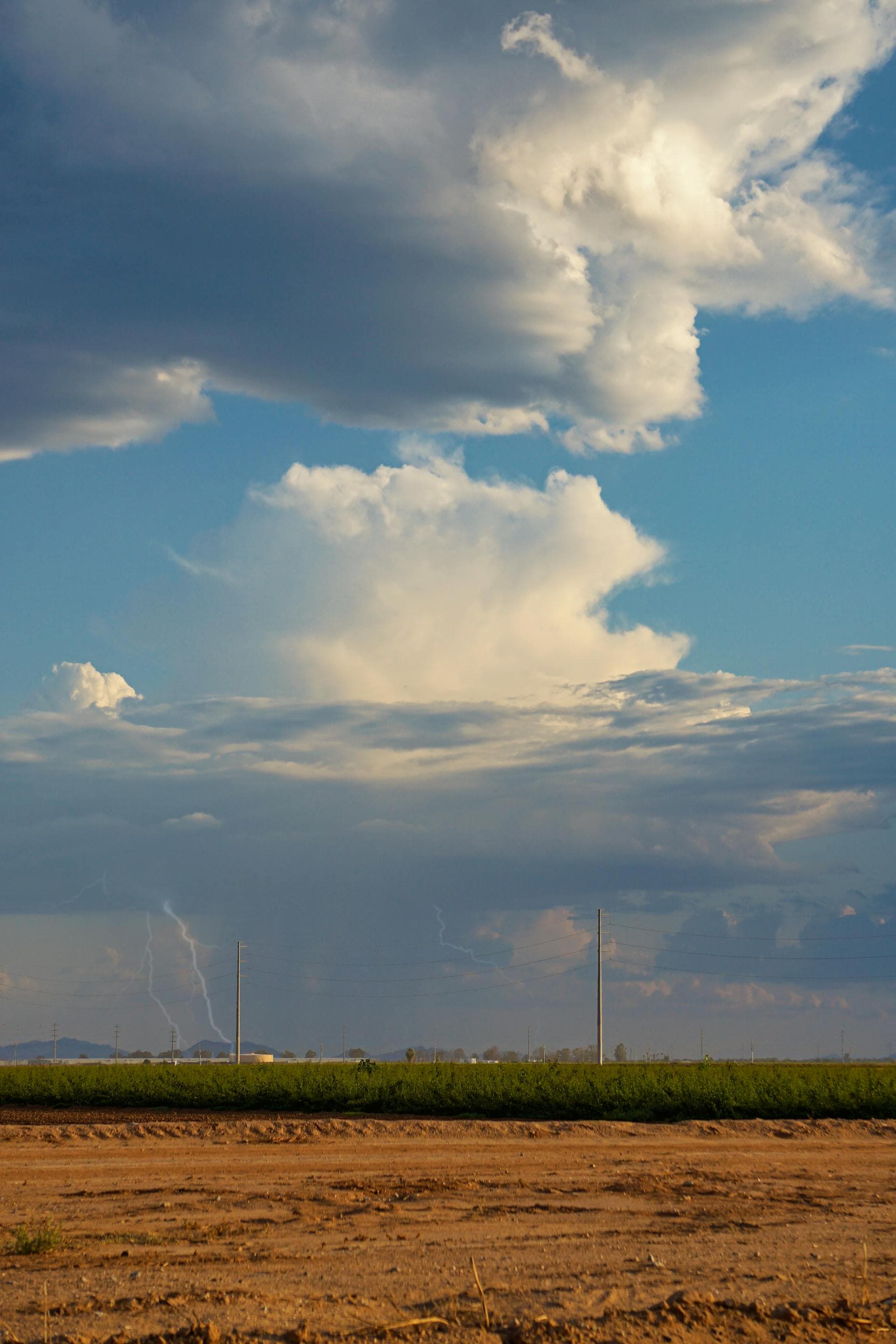
Photo by Jose Aldana on Pexels
Extreme heat with temperatures exceeding 110F in summer; roof surfaces can reach 160F+
Intense UV radiation at Phoenix elevation causes rapid material degradation
Thermal shock from daily temperature swings (extreme heat followed by rapid cooling)
Recommended Months
Avoid if Possible
- Cool roofing materials can reduce cooling costs significantly
- Roof insulation upgrades pay for themselves within 3-5 years in energy savings
- Metal and tile roofs with air circulation channels keep attic temperatures 10-15 degrees cooler
- SRP offers rebates for ENERGY STAR roofing materials
- APS offers rebates for reflective roofing installations
The daily thermal cycle creates additional stress through constant expansion and contraction. Materials heat rapidly during the day, then cool significantly at night, creating thermal shock that weakens fasteners and develops stress fractures over time. Phoenix receives approximately 4,000 hours of direct UV radiation annually, compared to the national average of 2,500 to 3,000 hours, accelerating the degradation of organic compounds in asphalt and other petroleum-based materials.
Monsoon season adds another dimension to Phoenix roofing challenges. From June 15 through September 30, the Valley experiences sudden violent storms bringing high winds exceeding 60 miles per hour, hail measuring up to 2.5 inches in diameter, and intense rainfall that tests every seam and penetration point on your roof. The September and October 2025 storms damaged over 12,000 homes across the metro area, demonstrating how quickly monsoon weather can overwhelm roofing systems already weakened by months of heat exposure. Dust storms preceding these monsoons deposit fine particles that clog gutters and drainage systems, compounding water intrusion risks when heavy rains follow.
How Phoenix's Climate Affects Materials
asphalt Shingles
Heat causes brittleness, granule loss, and 25-30% shorter lifespan than national average
tile Concrete Clay
Excellent performance; manufactured at 2000F+ so Phoenix heat is minimal concern
metal
Performs well with proper reflective coating; thermal expansion requires proper fastening
foam
Excellent insulation but requires protective coating and recoating every 5-10 years
Does Your Phoenix Roof Need Replacing?
Look for these red flags. They mean your roof may be past its prime.
- Water stains on ceilings or walls
- Dripping or active leaks during rain
- Musty odors indicating hidden moisture or mold
- Peeling paint or wallpaper near the roofline
- Excessive heat in attic indicating poor ventilation
- Curling, cracking, or missing shingles
- Granules from asphalt shingles accumulating in gutters
- Cracked, broken, or displaced tiles
- Visible cracks, blisters, or exposed foam on SPF roofs
- Dented gutters, downspouts, or roof vents (hail damage)
- Damaged or dented air conditioning units
- Sagging or dipping areas on roof surface
- Rusted flashing or exposed nails
- Ponding water on flat roofs after rain
Replace vs. Repair: The 25% Rule
If damage affects 25% or more of the roof, replacement is typically warranted and often covered by insurance. For tile roofs, underlayment usually needs replacement every 20-25 years even if tiles are intact. Repairs exceeding half of replacement value generally justify full replacement.
What to Know About Roofing in Phoenix
Roof styles and common problems specific to Phoenix
Clay and concrete tile roofs dominate Phoenix residential roofing, prized for heat resistance, 50+ year lifespan, and Southwestern aesthetic. Foam roofing is common on flat-roof homes and commercial buildings.
Energy efficiency is critical with 300+ days of sunshine. Cool roofing materials, proper insulation, and reflective coatings can significantly reduce cooling loads in summer months when temperatures exceed 110F.
Monsoon season (June 15 - September 30) requires roof preparation. Clear gutters, inspect for loose tiles or damaged shingles, and trim overhanging branches. Have emergency tarps available and know your insurance policy details.
- Underlayment failure under tile roofs after 20-25 years
- Asphalt shingle deterioration from extreme UV exposure
- Thermal shock damage from daily temperature swings
- Monsoon wind and hail damage
- Dust accumulation clogging gutters and drainage
Roofing by Neighborhood
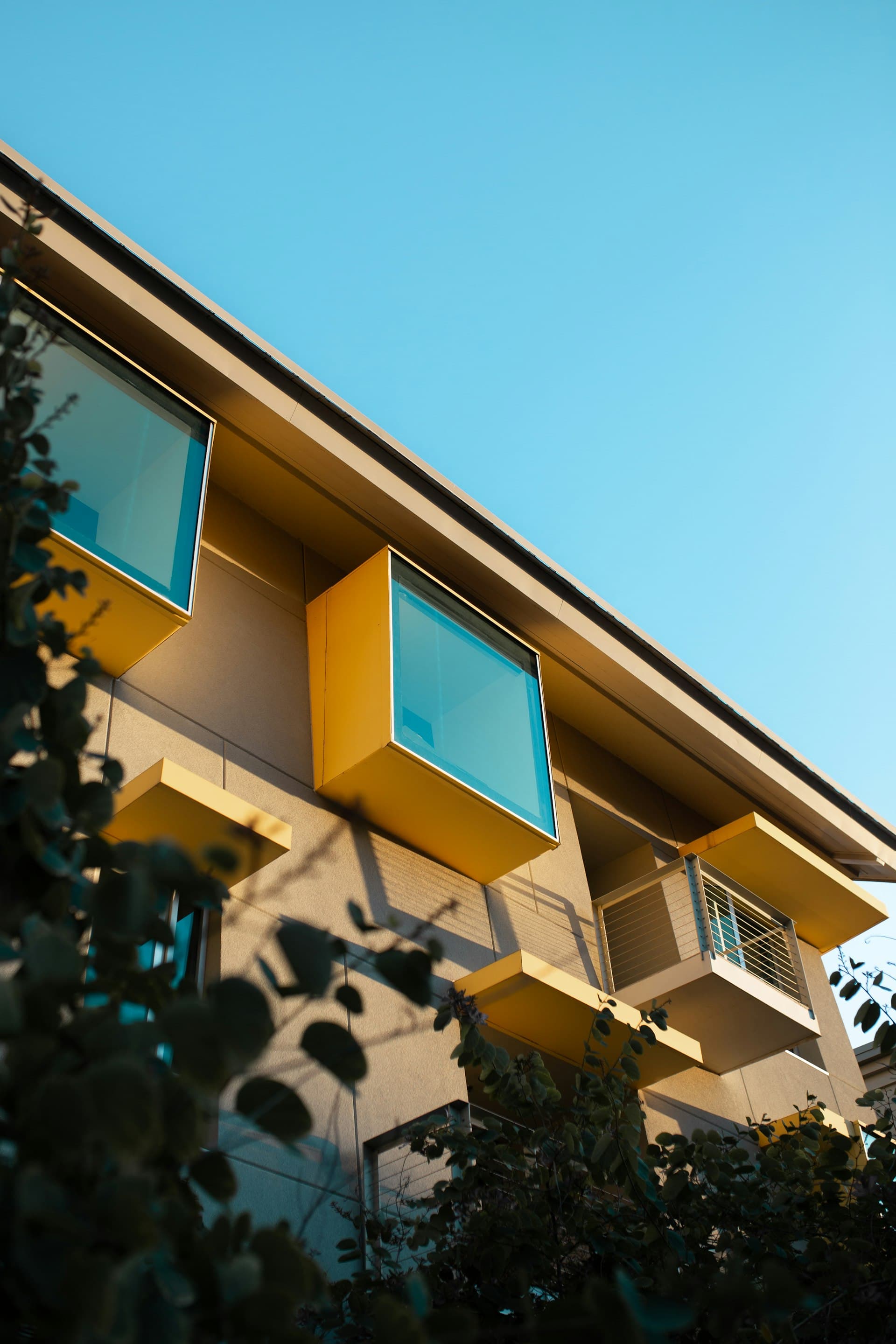
Sun City and Sun City West have specific HOA roofing requirements with JBS Roofing as the sole approved provider. These communities often mandate tile roofing with specific color palettes.
roofing contractors in Phoenix
Arizona Roofers
Lyons Roofing
TSM Roofing
Jim Brown and Sons Roofing (JBS Roofing)
Prowest Roofing
+ 2 more in Phoenix
Need a roofing contractor in Phoenix?
(844) 578-3077How to Pick a Roofer in Phoenix
What to look for when hiring a roofer, and what to avoid.
- Valid Arizona ROC license (verify at azroc.gov)
- Proper insurance and bonding documentation
- GAF, Owens Corning, or other manufacturer certifications
- Detailed written estimates with itemized breakdown
- Clear warranty information for labor and materials
- Experience with Phoenix climate and HOA requirements
- Positive reviews on multiple platforms
- Willing to provide references from recent local projects
- No ROC license or unwilling to provide license number
- Demands large upfront payment before work begins
- Only offers verbal estimates without written documentation
- Significantly lower quote than other estimates (too good to be true)
- High-pressure sales tactics or door-to-door solicitation after storms
- No physical business address in Arizona
- Unable to provide insurance certificates
- Vague about timeline, materials, or warranty terms
Storm Chaser Warning: After major storms, out-of-town contractors often go door-to-door offering quick repairs. Be cautious — reputable local contractors build business through referrals, not high-pressure tactics. Always verify licensing and get multiple quotes.
Filing Insurance Claims in Phoenix
How to file a roof damage claim with your insurance company, step by step.
- Document all damage immediately with photos and videos
- Contact your insurance company within 24-48 hours
- Get a professional inspection from a licensed contractor
- Keep detailed records of all communications
- Don't make permanent repairs until the adjuster visits
- Understand the 25% damage threshold for full replacement coverage
- 1Document damage thoroughly before any cleanup
- 2Cover exposed areas with tarps to prevent further damage
- 3File insurance claim promptly
- 4Schedule professional roof inspection
- 5Meet with insurance adjuster (contractor can be present)
- 6Review settlement offer and negotiate if inadequate
- 7Select licensed contractor for repairs
- 8Complete repairs and submit documentation to insurance
Document Everything
Photos before & after
Call Within 48 Hours
Report damage promptly
Keep All Records
Save communications
Important: If storm damage covers 25% or more of your roof, insurance usually pays for a full replacement.
HOA Roofing Rules in Phoenix
Very common in Phoenix metro area, especially in planned communities, 55+ developments, and newer subdivisions. Some neighborhoods have rules about roofing materials, colors, or contractors. Check before you start.
- Material type limited to original community standard (usually tile or specific shingle)
- Color matching required to existing neighborhood aesthetic
- Specific manufacturers or products may be mandated
- Solar panel installations may require approval or be restricted
- Fascia, soffit, and flashing colors must match approved palette
Required Documents:
- Contractor license information
- Color samples or product brochures
- Material specifications
- Photos of proposed materials
- Project timeline
Emergency Repairs: Some HOAs allow emergency repairs without pre-approval; check your specific CC&Rs
Most Arizona HOAs pre-approve earth tones that blend with desert landscape
- Request current CC&Rs before planning any roof work
- Work with contractors experienced in HOA compliance
- Submit documentation early with color samples and specs
- Get all approvals in writing
- Don't assume emergency exempts you from approval
Phoenix Communities with HOA Roofing Rules:
Sun City (JBS Roofing sole provider) • Sun City West (JBS Roofing sole provider) • Various Scottsdale HOAs with strict aesthetic requirements
Roofing Permits in Phoenix
Here's what you need to know about permits before your roofing project starts.
Permit Required
Yes
Processing Time
1-2 weeks for standard residential permits
Issuing Authority
City of Phoenix Development Services Department
- 1Full roof replacements require permits in Phoenix
- 2Many Phoenix-area communities require HOA approval before roofing work
- 3HOA approval can take 2-4 weeks; submit applications early
Official Resources
Pro Tip: Most reputable contractors handle the permit process for you as part of the project. Verify this is included in your contract before signing.
How Roof Replacement Works in Phoenix
Here's what happens step by step, from the first inspection to the final walkthrough.
Get professional roof inspection to assess condition
Obtain 3-5 detailed quotes from licensed Arizona contractors
Check HOA requirements and submit approval application if needed
Verify contractor ROC license, insurance, and bonding
Review and sign detailed contract with scope, materials, timeline, and warranty
Contractor pulls permit from City of Phoenix
Old roofing removed and disposed
Decking inspected and repaired if needed
Underlayment and new roofing material installed
Final inspection by city inspector
Cleanup and final walkthrough with contractor
Pro Tip
Get everything in writing before work begins, including scope, materials, timeline, and warranty terms. A detailed contract protects both you and the contractor.
Service-specific roofing in Phoenix
Frequently Asked Questions
Answers to common roofing questions in Phoenix, Arizona
Have a question? Give us a call.
Call (844) 578-3077More Cities in Arizona
See roofing contractors in other AZ cities
Still comparing roofers?
Talk to one before you decide. No obligation — the first call is fact-finding.
(844) 578-3077