

Roof Repair & Roofing Contractors in Tempe, Arizona
8+ licensed, insured roofers in Tempe. Call to get matched.
Updated May 2026 · 8 local pros
(844) 578-3077Photo: Photo by Andrew Ruiz on Unsplash
Tempe Weather and Your Roof
Tempe's weather affects which materials last and when you should schedule your project.
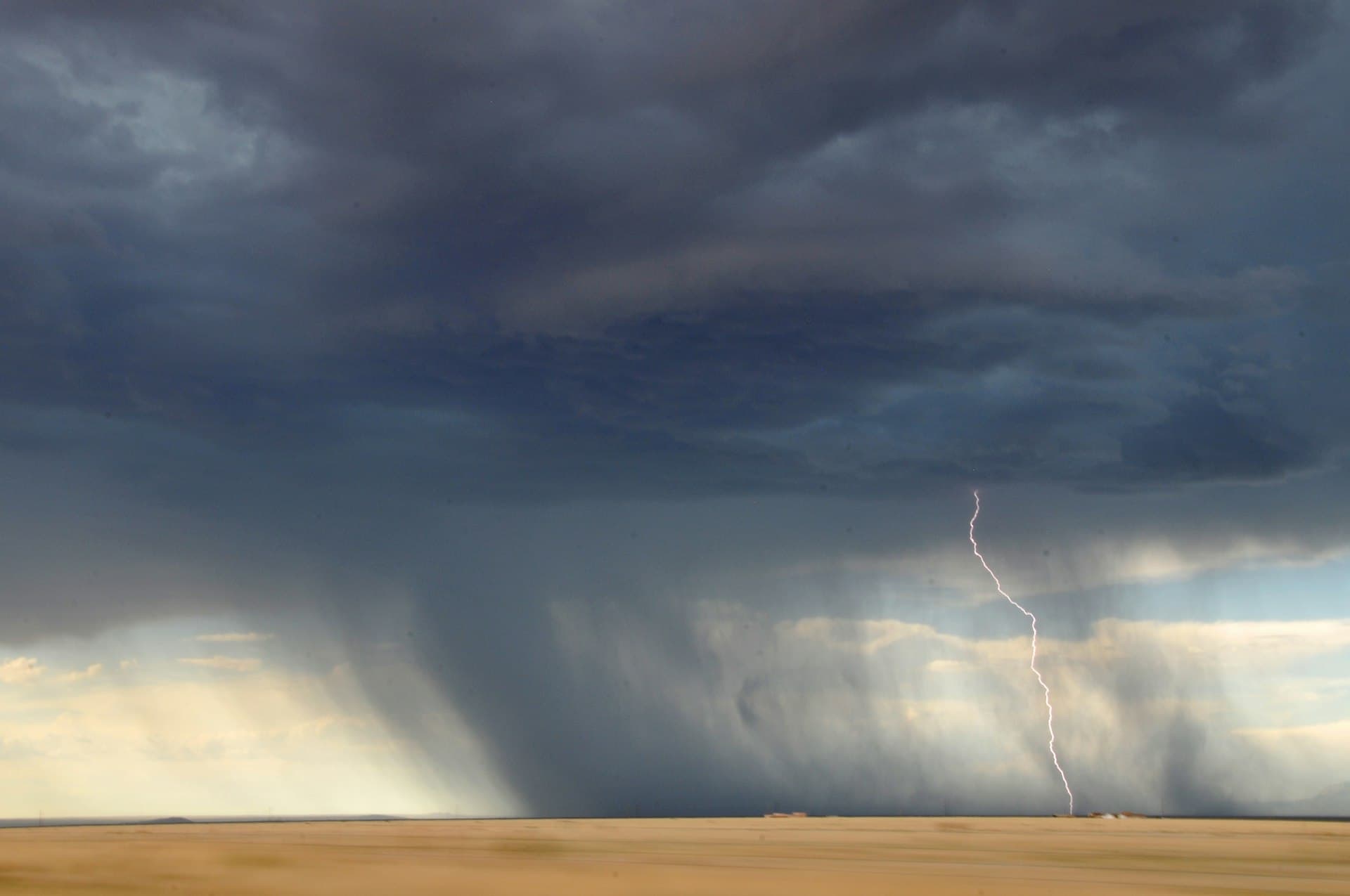
Photo by Lucy Chian on Unsplash
Extreme summer heat regularly exceeding 110 degrees F
Intense UV radiation that degrades roofing materials
Daily thermal expansion and contraction stress
Recommended Months
Avoid if Possible
- Reflective roofing can reduce cooling costs by 10-20%
- Proper attic ventilation critical for managing heat
- Light-colored or cool roof coatings highly recommended
- Foam roofing provides R-6 insulation value per inch
The daily temperature cycle in Tempe creates a punishing expansion and contraction pattern that stresses every component of a roofing system. During summer days, roof surface temperatures can exceed 160 degrees, causing materials to expand significantly. When night falls and temperatures drop by 30-40 degrees, the rapid contraction places stress on seams, fasteners, flashings, and the materials themselves. This thermal shock cycle repeats hundreds of times each year, eventually causing cracks, gaps, and failures that would take decades to develop elsewhere.
Intense ultraviolet radiation compounds the heat problem. The Arizona sun delivers some of the highest UV exposure levels in North America, which breaks down the organic compounds in asphalt shingles, degrades foam coatings, and can even affect tile underlayment. Standard asphalt shingles that might last 25-30 years in northern states typically survive only 15-22 years in Tempe before requiring replacement.
The monsoon season from July through September adds another dimension of challenge. These powerful storms bring sudden heavy rainfall, high winds exceeding 60 mph, and hail that can reach 2.5 inches in diameter. The October 2025 storms that struck the Phoenix metro area demonstrated this threat vividly, displacing over 130 Tempe residents and damaging more than 500 homes. Dust storms that precede monsoons deposit debris that traps moisture and hides developing problems. For Tempe homeowners, understanding these climate realities is essential for making informed roofing decisions that will protect their investment for decades.
How Tempe's Climate Affects Materials
asphalt Shingles
Thermal shock and UV damage significantly shorten lifespan to 15-20 years vs 25+ elsewhere
clay Tile
Excellent heat resistance, may crack from thermal stress if poorly installed
metal Roofing
Expands/contracts with heat cycles, requires proper installation techniques
foam S P F
Needs recoating every 10-12 years due to UV degradation
Does Your Tempe Roof Need Replacing?
Look for these red flags. They mean your roof may be past its prime.
- Water stains on ceilings or walls that return after painting
- Sagging spots in the ceiling indicating rotted decking
- Daylight visible through roof boards in attic
- Musty odors indicating hidden moisture or mold
- Peeling paint or wallpaper near the roofline
- Rising energy bills due to poor insulation
- Curling, buckling, or missing shingles (common after 110+ heat waves)
- Cracked or slipping concrete/clay tiles
- Granules from shingles accumulating in gutters
- Algae streaks or black stains holding moisture
- Flashing pulling away around chimneys, vents, and valleys
- Visible cracks, holes, or widespread damage
- Dented gutters, downspouts, or roof vents from hail
Replace vs. Repair: The 25% Rule
If damage is on more than 30% of the roof or you have multiple layers of old shingles, replacement almost always makes more financial sense. For roofs over 20 years old with recurring repairs, full replacement is typically the smarter long-term investment.
What to Know About Roofing in Tempe
Roof styles and common problems specific to Tempe
Mix of tile roofing (clay and concrete) on family homes and flat roofs on mid-century and modern properties. Many student housing properties near ASU have flat roofs or commercial-style roofing systems.
High priority on reflective and cool roof materials due to extreme cooling costs. Foam roofing with white elastomeric coating popular for reducing AC bills by 10-20%.
Annual roof inspections recommended before and after monsoon season (July-September). October 2025 storms damaged over 500 homes in Tempe alone with 60+ mph winds and 2-inch hail.
- Tile underlayment failure (underlayment needs replacement every 20-25 years even when tiles are fine)
- UV degradation of asphalt shingles causing cracking and brittleness
- Monsoon wind and hail damage
- Poor ventilation leading to extreme attic heat and material degradation
- Thermal expansion/contraction stress on flashings and seams
Roofing by Neighborhood

Less prevalent in Tempe compared to surrounding cities like Mesa and Chandler, but some active adult communities exist in South Tempe area.
roofing contractors in Tempe
L&R Roofing Solutions
Arizona Roofers (AZ Roof Co)
Tip Top Roofing Service
Thomas Roofing LLC
Prowest Roofing
+ 3 more in Tempe
Need a roofing contractor in Tempe?
(844) 578-3077How to Pick a Roofer in Tempe
What to look for when hiring a roofer, and what to avoid.
- ROC license number displayed on website and materials
- Local warehouse or physical address you can visit
- Extensive Google reviews (100+)
- Bring material samples to the estimate
- Explain permit process without being asked
- Provide detailed written contracts with material specs
- Offer manufacturer warranties (GAF, Owens Corning, etc.)
- 'Friends and family discount if you sign today' pressure tactics
- No physical address or just a PO box
- Pressure to file insurance claim when no storm damage exists
- Cannot provide certificate of insurance immediately
- Asks for large upfront payment before work begins
- Significantly lower bid than all competitors
- Door-to-door solicitation after storms
Storm Chaser Warning: After major storms, out-of-town contractors often go door-to-door offering quick repairs. Be cautious — reputable local contractors build business through referrals, not high-pressure tactics. Always verify licensing and get multiple quotes.
Filing Insurance Claims in Tempe
How to file a roof damage claim with your insurance company, step by step.
- Document damage immediately with photos and video
- File claim only if repair cost significantly exceeds deductible
- Get contractor estimate before filing claim
- Keep all receipts and communication records
- Be present during adjuster inspection
- Many Arizona insurers becoming stricter on roof coverage in 2025
- 1Document all damage with photos immediately after storm
- 2Cover any openings with tarps to prevent further damage
- 3Contact insurance company to file claim
- 4Schedule professional roof inspection
- 5Meet adjuster on-site with contractor if possible
- 6Review settlement offer carefully before accepting
Document Everything
Photos before & after
Call Within 48 Hours
Report damage promptly
Keep All Records
Save communications
Important: If storm damage covers 25% or more of your roof, insurance usually pays for a full replacement.
HOA Roofing Rules in Tempe
Common in Tempe, especially in South Tempe and Kyrene Corridor master-planned communities. Some neighborhoods have rules about roofing materials, colors, or contractors. Check before you start.
- Roofing material type (often limited to tile in upscale communities)
- Color palette matching community aesthetic standards
- Bay windows must have same roofing type and color as main roof
- Architectural review required before starting work
Required Documents:
- Written request for approval
- Contractor estimates with material specifications
- Color/material samples if changing appearance
- Proof of contractor licensing and insurance
Emergency Repairs: Usually allowed to proceed with documentation submitted within 30 days, but verify with your specific HOA
Bay windows must match main roof color. Submit samples for approval before purchasing materials.
- Review CC&Rs before getting contractor estimates
- Get written HOA approval before scheduling work
- Use only HOA-approved contractors if required
- Keep copies of all approval documentation
- Report roof issues to HOA board immediately if they affect shared structures
Tempe Communities with HOA Roofing Rules:
The Lakes of Tempe • Warner Ranch • Kyrene del Pueblo
Roofing Permits in Tempe
Here's what you need to know about permits before your roofing project starts.
Permit Required
Yes
Processing Time
1-5 business days
Issuing Authority
City of Tempe Building Safety Division
- 1Permits required for roof replacements in Tempe
- 2Reputable roofers typically handle permit paperwork
- 3Contact Permit Center at 480-350-4311 or permitcenter@tempe.gov
- 4Online applications available through Tempe Citizen Access Portal
Official Resources
Pro Tip: Most reputable contractors handle the permit process for you as part of the project. Verify this is included in your contract before signing.
How Roof Replacement Works in Tempe
Here's what happens step by step, from the first inspection to the final walkthrough.
Roof inspection with drone photos (30-45 minutes)
Detailed written estimate with material samples
Permit pulled from City of Tempe
Materials delivered and yard protected
Tear-off of old roofing (1-2 days typically)
Decking replacement as needed
New underlayment and ice/water shield in valleys
New flashing, vents, and drip edge installation
New roofing material installed
Final cleanup with magnetic sweep for nails
City inspection and warranty paperwork
Pro Tip
Get everything in writing before work begins, including scope, materials, timeline, and warranty terms. A detailed contract protects both you and the contractor.
Frequently Asked Questions
Answers to common roofing questions in Tempe, Arizona
Have a question? Give us a call.
Call (844) 578-3077More Cities in Arizona
See roofing contractors in other AZ cities
Still comparing roofers?
Talk to one before you decide. No obligation — the first call is fact-finding.
(844) 578-3077