
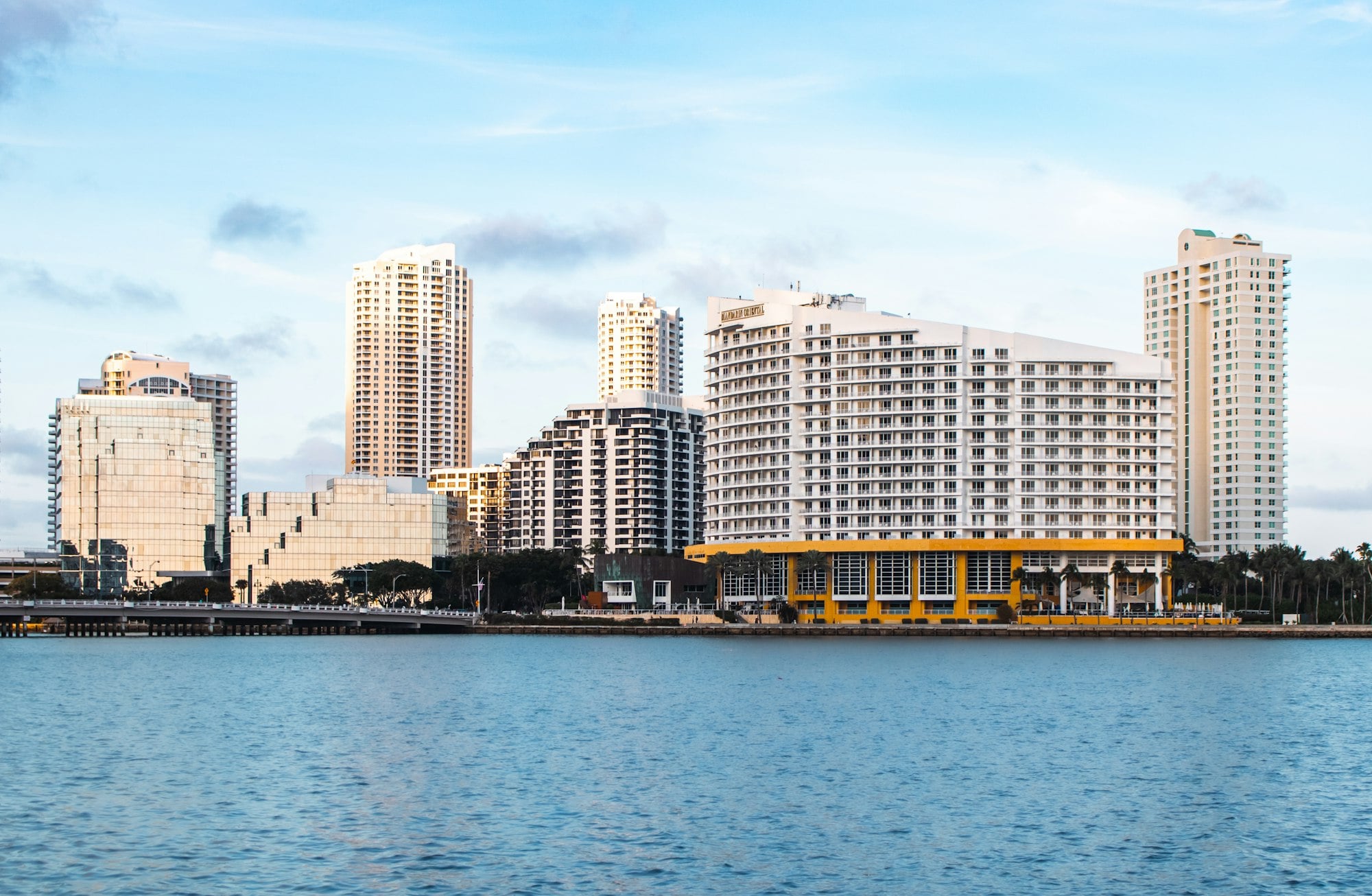
Roof Repair & Roofing Contractors in Miami, Florida
8+ licensed, insured roofers in Miami. Call to get matched.
Updated May 2026 · 8 local pros
(844) 578-3077Photo: Photo by Zoshua Colah on Unsplash
Miami Weather and Your Roof
Miami's weather affects which materials last and when you should schedule your project.
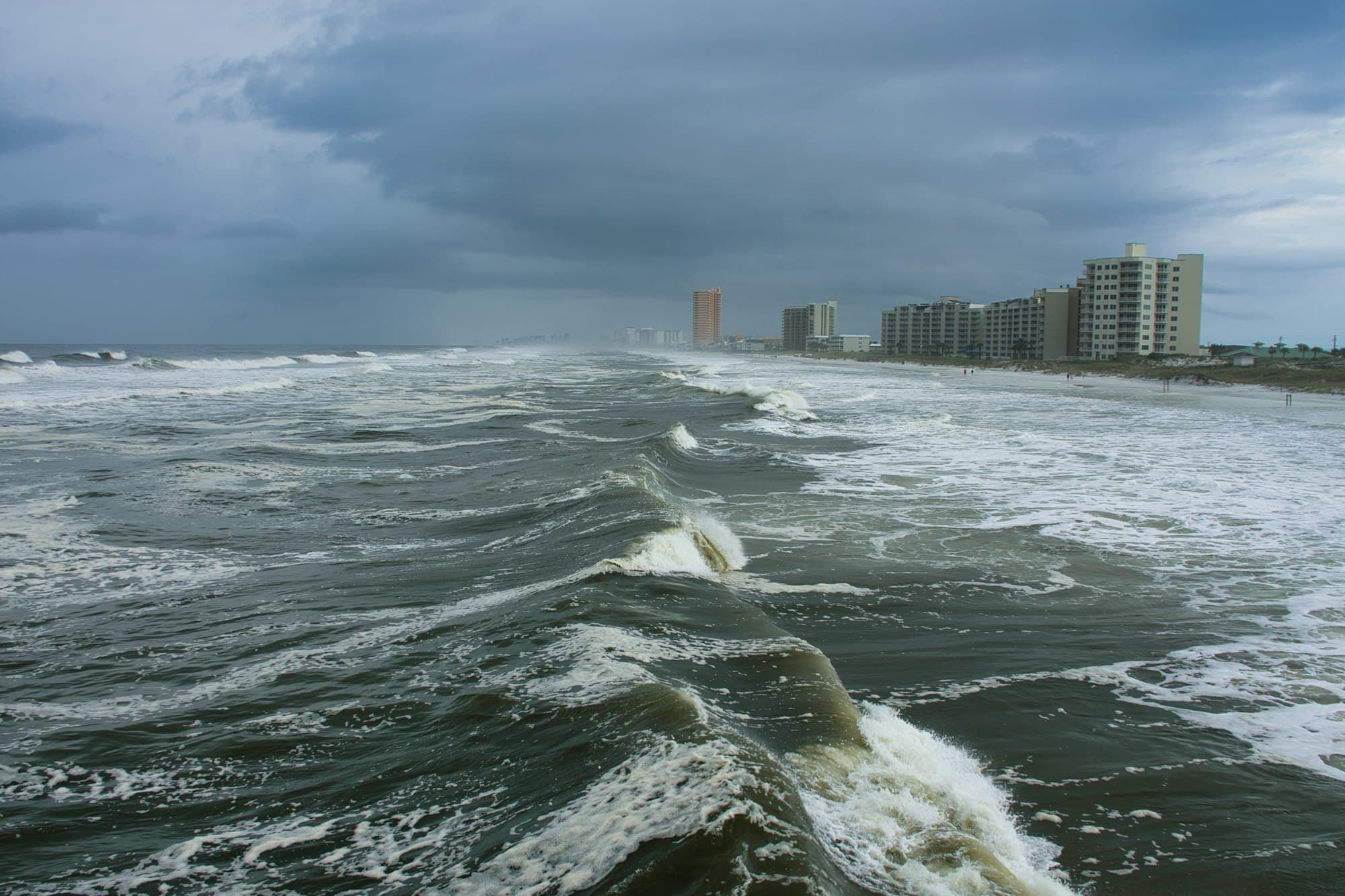
Photo by Craig Cameron on Unsplash
Hurricane-force winds up to 185+ mph during storm season (June-November)
Intense UV radiation year-round degrades roofing materials faster
High humidity (75-90% average) promotes mold and mildew growth
Recommended Months
Avoid if Possible
- Metal roofs reflect solar heat reducing AC costs by 10-25%
- Cool roof coatings can lower roof temperature by 50-60 degrees F
- Tile roof air gap provides natural ventilation
- Energy-efficient roofing may qualify for insurance discounts
The sun beats down on Miami roofs for over 3,000 hours annually, causing accelerated degradation of roofing materials through UV damage. This constant solar exposure causes asphalt shingles to lose protective granules faster, leading to premature aging and reduced effectiveness. The relentless heat also causes thermal expansion and contraction cycles that stress roofing components and sealants.
Humidity compounds these challenges by promoting mold, mildew, and algae growth on roof surfaces. The moisture-laden air seeps into any gaps or damaged areas, potentially causing wood rot in roof decking and framing. Coastal properties face the additional burden of salt air corrosion, which can deteriorate metal components and fasteners if not properly protected with corrosion-resistant coatings.
Hurricane season from June through November introduces the most dramatic threat to Miami roofs. Storms can generate winds exceeding 150 miles per hour along with driving rain and flying debris. This is why all roofing materials used in Miami-Dade County must carry a Notice of Acceptance certifying they meet the High Velocity Hurricane Zone building code requirements. The recommended time for roof replacement is during the dry season from November through March when weather is more predictable and contractors are less overwhelmed with storm damage repairs.
How Miami's Climate Affects Materials
asphalt Shingles
Shortened lifespan (12-15 years vs 20+ elsewhere) due to UV and heat; granule loss common
concrete Tile
Excellent performance; tiles often last 40-50 years though underlayment needs replacement at 20-30 years
clay Tile
Natural composition handles high temperatures without deteriorating; promotes airflow for cooling
metal Roofing
Reflects sunlight reducing cooling costs; requires corrosion-resistant coating for salt air
flat Roofs
Require proper slope and drainage; ponding water after storms a major concern
Does Your Miami Roof Need Replacing?
Look for these red flags. They mean your roof may be past its prime.
- Water stains on ceilings or walls
- Active leaks during rainstorms
- Visible daylight through roof boards in attic
- Sagging ceiling areas
- Mold or mildew odor in attic
- Increased energy bills from poor insulation
- Missing, cracked, or curling shingles
- Granules accumulating in gutters
- Cracked or broken tiles
- Rusted or corroded metal sections
- Sagging or uneven roofline
- Exposed or rusted nails
- Moss, mold, or algae growth
- Damaged or missing flashing
Replace vs. Repair: The 25% Rule
If repairs exceed 25% of roof area in 12 months, full replacement to current code is required. For roofs 15+ years old with multiple issues, replacement is usually more economical than continued repairs.
What to Know About Roofing in Miami
Roof styles and common problems specific to Miami
Concrete and clay tile roofs dominate Miami residential properties, reflecting Spanish/Mediterranean architectural influence and superior hurricane performance
Energy efficiency is critical due to year-round AC usage; reflective metal roofs and cool roof coatings increasingly popular to reduce cooling demands
Hurricane season preparation is essential; schedule inspections before June, clear debris, and ensure all tiles and shingles are properly secured
- Salt air corrosion on coastal properties requiring protective coatings
- Underlayment degradation under tile roofs (often needs replacement at 20-30 years even when tiles are sound)
- Ponding water on flat commercial roofs after heavy rains
- Mold and mildew growth from persistent humidity
- Hurricane damage from flying debris and wind uplift
- Insurance pressure to upgrade older roofs
Roofing by Neighborhood
roofing contractors in Miami
The Roofers FL
WSR Roofing & Construction
Homerun Roofing Construction LLC
J&M Roofing Repair LLC
DNA Roofing LLC
+ 3 more in Miami
Need a roofing contractor in Miami?
(844) 578-3077How to Pick a Roofer in Miami
What to look for when hiring a roofer, and what to avoid.
- Florida state license and Miami-Dade local license
- Valid liability insurance and workers compensation
- Experience with Miami-Dade HVHZ code requirements
- Uses Miami-Dade NOA approved materials only
- Provides written contract with scope, timeline, and warranty
- Pulls permits themselves (not asking homeowner to pull)
- Positive reviews on multiple platforms
- Physical local office address
- No Florida contractor license or unable to verify
- Asks for full payment upfront
- Door-to-door solicitation after storms
- Pressure to sign contract immediately
- Unusually low bid compared to others
- No written warranty
- Cannot provide proof of insurance
- Asks homeowner to pull the permit
Storm Chaser Warning: After major storms, out-of-town contractors often go door-to-door offering quick repairs. Be cautious — reputable local contractors build business through referrals, not high-pressure tactics. Always verify licensing and get multiple quotes.
Filing Insurance Claims in Miami
How to file a roof damage claim with your insurance company, step by step.
- Document all damage with photos and videos immediately
- Make temporary repairs to prevent further damage (save receipts)
- Do not sign Assignment of Benefits (AOB) without understanding implications
- Get written estimates from licensed contractors
- Keep records of all communications with insurance company
- Consider public adjuster for complex claims
- 1Document damage immediately with photos/video
- 2Contact insurance company to file claim
- 3Make temporary repairs to prevent further damage
- 4Meet with insurance adjuster for inspection
- 5Obtain contractor estimates for repairs
- 6Review settlement offer carefully
- 7Complete permanent repairs with licensed contractor
- 8Obtain permit and pass final inspection
Document Everything
Photos before & after
Call Within 48 Hours
Report damage promptly
Keep All Records
Save communications
Important: If storm damage covers 25% or more of your roof, insurance usually pays for a full replacement.
HOA Roofing Rules in Miami
Very common in Miami-Dade County; most planned communities and condos have HOA oversight. Some neighborhoods have rules about roofing materials, colors, or contractors. Check before you start.
- Specific approved roof colors matching community palette
- Required material types (often tile-only in upscale communities)
- Architectural consistency requirements
- Pre-approved contractor lists in some communities
- Submission of samples, diagrams, and permits before work begins
Required Documents:
- Roofing samples and color references
- Contractor license and insurance
- Photos or renderings
- Permit documentation
- Insurance letters if applicable
Emergency Repairs: Temporary emergency repairs allowed without pre-approval; permanent repairs still require formal submission
Colors must typically match pre-approved palette; bright or unusual colors usually prohibited
- Read CC&Rs before starting any roofing project
- Attend HOA meetings to understand approval process
- Submit complete documentation to avoid delays
- HOAs cannot override Florida Building Code requirements
- Document all communications with HOA in writing
Roofing Permits in Miami
Here's what you need to know about permits before your roofing project starts.
Permit Required
Yes
Processing Time
14 business days for first review cycle
Issuing Authority
City of Miami Building Department / Miami-Dade County Regulatory and Economic Resources
- 1Building permit required for ALL roofing work in residential and commercial properties
- 2All roofing materials must have Miami-Dade County NOA or Florida Product Approval
- 3Apply through iBuild portal online or in-person at 444 SW 2nd Ave, 4th Floor
- 4Uniform Roofing Application form required for all permits
- 5High Velocity Hurricane Zone (HVHZ) forms required including Sections A, B, C, D, E
- 6Hurricane mitigation retrofit forms required for single-family homes
- 7E-permitting available for qualified contractors to submit applications online
- 8Owners of residential properties may qualify as owner/builder for shingle roofs only (requires exam and interview)
Official Resources
Pro Tip: Most reputable contractors handle the permit process for you as part of the project. Verify this is included in your contract before signing.
How Roof Replacement Works in Miami
Here's what happens step by step, from the first inspection to the final walkthrough.
Schedule professional roof inspection
Obtain multiple quotes from licensed contractors (verify Miami-Dade licenses)
Check HOA requirements and submit for approval if applicable
Obtain building permit through City of Miami or Miami-Dade County
Select Miami-Dade NOA approved materials
Schedule work during dry season if possible
Contractor removes old roofing and inspects decking
Repair or replace damaged decking, fascia, and soffits
Install new underlayment meeting HVHZ requirements
Install new roofing material with hurricane-rated fasteners
Pass required inspections (typically multiple)
Obtain final approval and close permit
Pro Tip
Get everything in writing before work begins, including scope, materials, timeline, and warranty terms. A detailed contract protects both you and the contractor.
Frequently Asked Questions
Answers to common roofing questions in Miami, Florida
Have a question? Give us a call.
Call (844) 578-3077More Cities in Florida
See roofing contractors in other FL cities
Still comparing roofers?
Talk to one before you decide. No obligation — the first call is fact-finding.
(844) 578-3077