
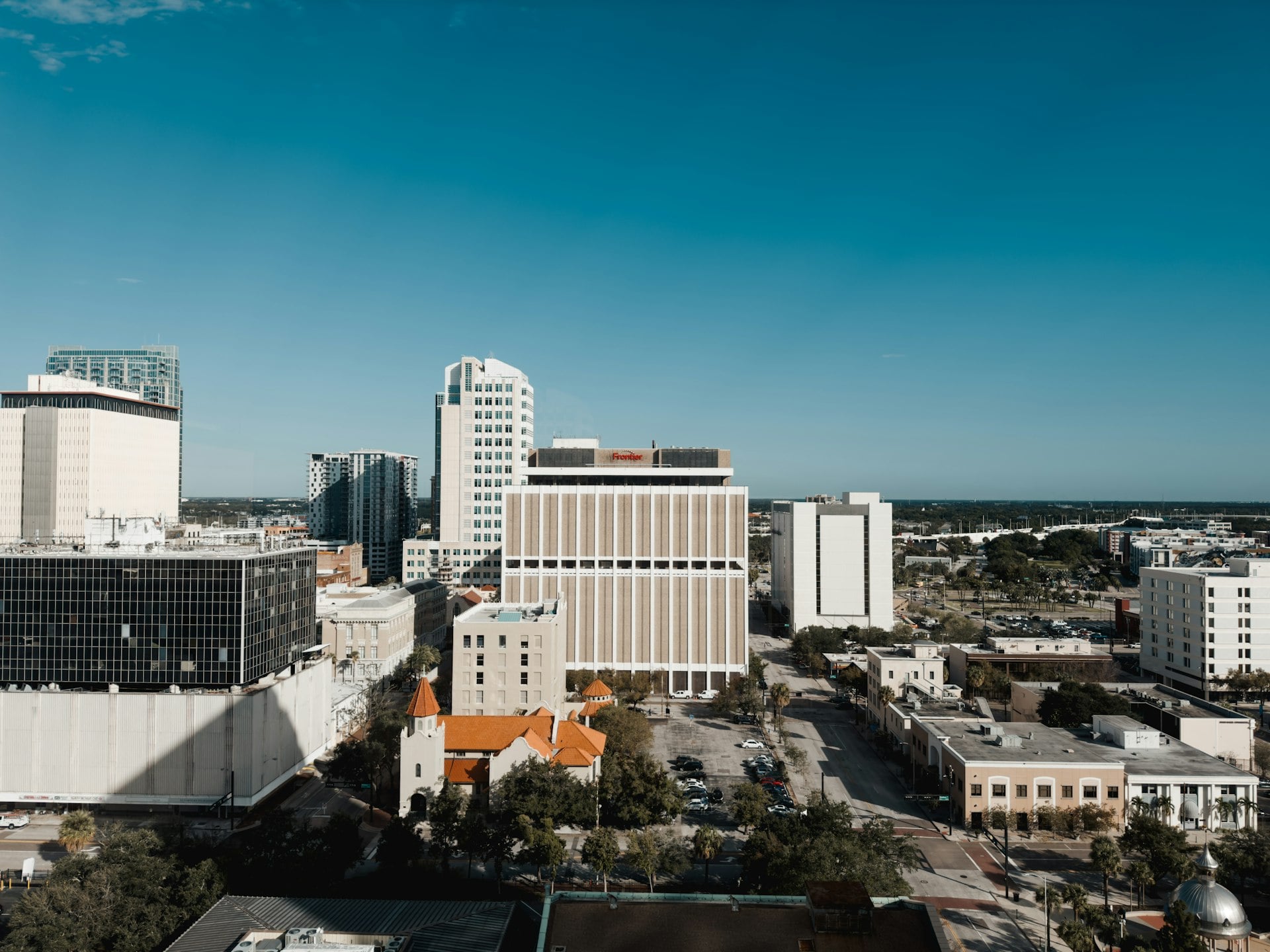
Roof Repair & Roofing Contractors in Tampa, Florida
10+ licensed, insured roofers in Tampa. Call to get matched.
Updated May 2026 · 10 local pros
(844) 578-3077Photo: Photo by Dan Formsma on Unsplash
Tampa Weather and Your Roof
Tampa's weather affects which materials last and when you should schedule your project.
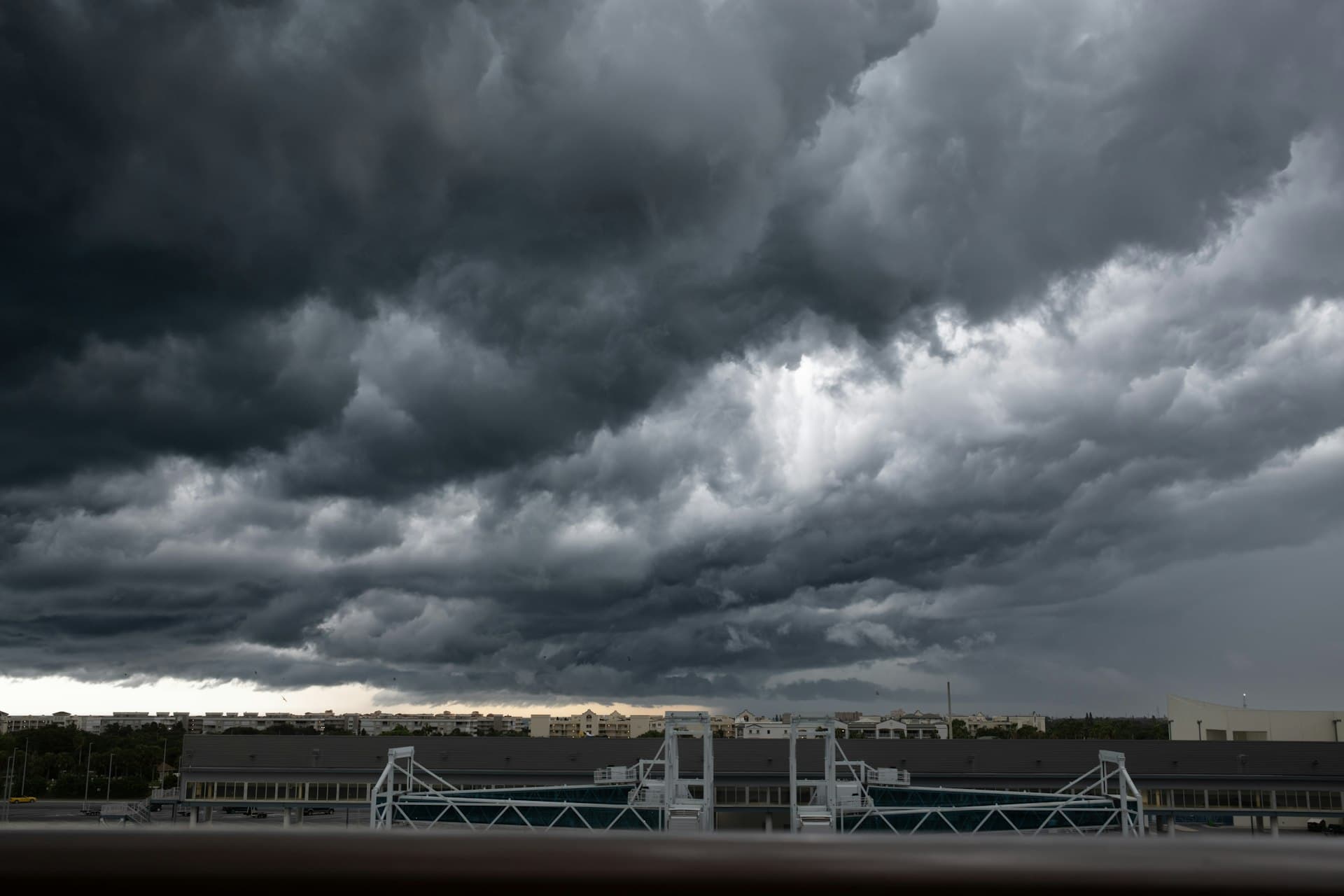
Photo by Frederick Wallace on Unsplash
Humid subtropical climate with high humidity year-round
Frequent thunderstorms and heavy rainfall
Hurricane season (June-November) with high winds up to 140+ mph
Recommended Months
Avoid if Possible
- Metal roofs reflect solar heat and reduce cooling costs
- Light-colored roofing materials reduce heat absorption
- Proper attic ventilation critical in Florida's hot climate
- Cool roof coatings can improve energy efficiency
- Solar panel installations protected under Florida Statute 163.04
The threat of hurricanes and severe thunderstorms defines roofing requirements throughout the Tampa Bay region. Hurricane season runs from June through November, with the potential for catastrophic winds exceeding 140 mph. The Florida Building Code mandates that roofs in this region must withstand sustained winds of at least 130-140 mph, requiring enhanced fastening patterns and secondary water barriers that many other states do not require. This sealed roof deck, typically a peel-and-stick underlayment applied directly to the decking, serves as critical protection if primary roofing materials are torn away during a storm.
Tampa receives approximately 50 inches of rainfall annually, much of it during intense summer thunderstorms that can dump several inches of rain in just hours. This heavy rainfall, combined with the flat topography of much of the Tampa Bay area, means proper water management is essential. Roofs must efficiently shed water to prevent ponding, especially on flat commercial structures. For waterfront properties along Tampa Bay and the Gulf Coast, salt air corrosion adds another layer of concern, requiring careful material selection such as aluminum or specially coated steel rather than standard galvanized metals. The intense UV exposure year-round also accelerates degradation of roofing materials, making UV-resistant products and reflective coatings increasingly popular choices for energy-conscious Tampa homeowners.
How Tampa's Climate Affects Materials
asphalt Shingles
Require algae-resistant technology (copper granules) to prevent black streaks; wind-rated shingles essential
metal Roofing
Excellent heat reflection; coastal homes need Galvalume coating or aluminum to resist salt corrosion
tile Clay
Very durable in heat and humidity; excellent wind resistance but heavy
tile Concrete
Strong wind resistance up to 150+ mph; handles Florida climate well
flat Roof
Must prevent water pooling; TPO/modified bitumen perform well
Does Your Tampa Roof Need Replacing?
Look for these red flags. They mean your roof may be past its prime.
- Water stains on ceilings or walls
- Sagging ceiling areas
- Mold or mildew smell in attic
- Daylight visible through roof boards
- Higher than normal energy bills
- Missing, cracked, or curling shingles
- Dark streaks from algae growth
- Granules accumulating in gutters
- Visible moss or vegetation growth
- Damaged or missing flashing around vents and chimneys
- Sagging roof deck
- Shingles blown off during storms
Replace vs. Repair: The 25% Rule
If damage affects more than 25% of the roof or the roof is over 15-20 years old with widespread granule loss or systemic failure, full replacement is usually the smarter long-term investment. Isolated damage like a few missing shingles or leaking vent flashing can often be repaired.
What to Know About Roofing in Tampa
Roof styles and common problems specific to Tampa
Mix of asphalt shingle roofs, tile roofs (Spanish/Mediterranean style), and increasing metal roofing installations
High priority on reflective roofing materials and proper ventilation due to intense Florida heat; energy-efficient upgrades may qualify for tax credits
Hurricane preparedness is critical; most roofs must withstand 130-140 mph winds per Florida Building Code
- Algae and mold growth from high humidity
- Wind damage during hurricane season
- UV degradation from intense sunlight
- Salt air corrosion for coastal Tampa Bay properties
- Water intrusion from heavy thunderstorms
Roofing by Neighborhood
roofing contractors in Tampa
Harbor Roofing
Roof Panda LLC
Roofing Done Wright
SouthShore Roofing & Exteriors
Certified Roofers & General Contractors Inc.
+ 5 more in Tampa
Need a roofing contractor in Tampa?
(844) 578-3077How to Pick a Roofer in Tampa
What to look for when hiring a roofer, and what to avoid.
- Florida DBPR license verification available
- Manufacturer certifications (GAF Master Elite, Owens Corning Preferred, CertainTeed)
- Comprehensive warranty coverage (both material and workmanship)
- Dedicated project manager assigned to job
- Uses in-house crews rather than subcontractors
- Provides detailed written estimates with material specifications
- Strong Google reviews mentioning communication and cleanup quality
- BBB accreditation
- Unusually low bids compared to other quotes
- No verifiable Florida license
- Uses cheap, inexperienced subcontractors
- Vague or incomplete written estimates
- Pressure to sign immediately or storm-chaser tactics
- No physical business address
- Requires large upfront payment before work begins
Storm Chaser Warning: After major storms, out-of-town contractors often go door-to-door offering quick repairs. Be cautious — reputable local contractors build business through referrals, not high-pressure tactics. Always verify licensing and get multiple quotes.
Filing Insurance Claims in Tampa
How to file a roof damage claim with your insurance company, step by step.
- Document all damage with photos and videos before any repairs
- Review policy to understand coverage, deductible, and RCV vs ACV
- Have roofing contractor present during adjuster inspection
- Request contractor submit supplements for any missing items in adjuster scope
- Know your hurricane or named-storm deductible before storm season
- Understand that depreciation is released after work completion for RCV policies
- 1Safely document damage with photos and videos
- 2Contact insurance company and get claim number
- 3Schedule adjuster visit with contractor present
- 4Review scope of work from adjuster
- 5Submit supplements for missing items if needed
- 6Authorize repairs once scope and cost agreed
- 7Receive depreciation release after work completion
Document Everything
Photos before & after
Call Within 48 Hours
Report damage promptly
Keep All Records
Save communications
Important: If storm damage covers 25% or more of your roof, insurance usually pays for a full replacement.
HOA Roofing Rules in Tampa
Very common throughout Tampa Bay suburban communities. Some neighborhoods have rules about roofing materials, colors, or contractors. Check before you start.
- Specific shingle colors must match pre-approved palette
- Material type restrictions (some only allow tile or specific shingle profiles)
- Architectural consistency requirements
- Pre-approval required before any roofing work begins
- May require use of licensed, insured, or pre-approved contractors
Required Documents:
- Roofing samples and color references
- Contractor license and insurance documentation
- Photos, renderings, or diagrams
- Detailed scope of work
Emergency Repairs: Temporary fixes to prevent further damage can legally be done before full approval, but permanent repairs must still follow HOA rules
Colors must typically match community aesthetic; check specific CC&Rs for approved palette
- Read CC&Rs before selecting materials or colors
- Submit cleanest application possible with all required documentation
- Attend HOA meetings to build rapport before submitting request
- HOAs cannot override Florida Building Code requirements
- Solar panel installations protected under Florida Statute 163.04
Roofing Permits in Tampa
Here's what you need to know about permits before your roofing project starts.
Permit Required
Yes
Processing Time
Varies by municipality
Issuing Authority
City of Tampa Construction Services / Hillsborough County Building Services
- 1Permit required for all roof replacements in Tampa Bay jurisdictions
- 2Permits required for roofing work exceeding 500 square feet
- 3If more than 25% of roof is repaired in 12 months, entire roof must meet current Florida Building Code
- 4Florida Building Code requires secondary water barrier (sealed roof deck)
- 5Enhanced fastening patterns required for hurricane wind resistance
- 6Municipal inspector verifies code compliance before permit is closed
- 7Historic districts (Barrio Latino, Hyde Park, Seminole Heights) require additional architectural review approval
- 8Homeowners may pull permits for owner-occupied one or two family dwellings with proper documentation
Official Resources
Pro Tip: Most reputable contractors handle the permit process for you as part of the project. Verify this is included in your contract before signing.
Service-specific roofing in Tampa
Frequently Asked Questions
Answers to common roofing questions in Tampa, Florida
Have a question? Give us a call.
Call (844) 578-3077More Cities in Florida
See roofing contractors in other FL cities
Still comparing roofers?
Talk to one before you decide. No obligation — the first call is fact-finding.
(844) 578-3077