
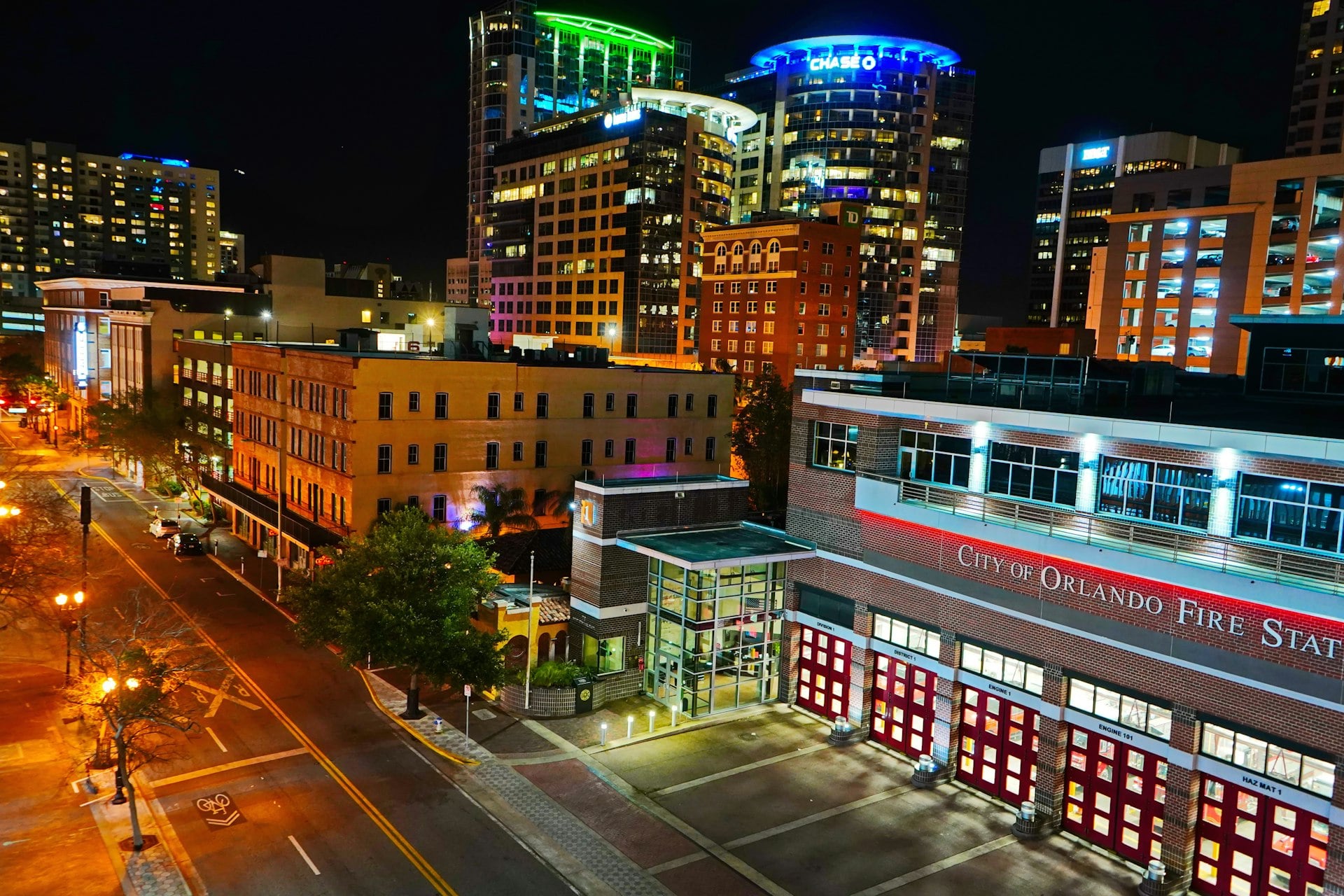
Roof Repair & Roofing Contractors in Orlando, Florida
7+ licensed, insured roofers in Orlando. Call to get matched.
Updated May 2026 · 7 local pros
(844) 578-3077Photo: Photo by Dean Milenkovic on Unsplash
Orlando Weather and Your Roof
Orlando's weather affects which materials last and when you should schedule your project.

Photo by Forrest Moreland on Unsplash
Intense UV exposure causing shingle degradation, curling, and fading
High humidity promoting mold, mildew, and wood rot
Frequent tropical storms and hurricanes with high winds
Recommended Months
Avoid if Possible
- Metal roofs with reflective coatings can reduce cooling costs by 25%
- Tile roofs create natural air gap providing thermal break
- Light-colored roofing materials reflect more solar heat
- Proper attic ventilation critical for reducing AC load
- Cool roof coatings can lower roof surface temperature by 50+ degrees
Hurricane season from June through November adds another layer of concern for Orlando homeowners. While the city sits approximately 50 miles inland from the Atlantic coast, it remains vulnerable to tropical storms and hurricanes that can bring destructive winds exceeding 100 mph. The combination of wind uplift, driving rain, and flying debris during these events makes roof construction quality and material selection critical decisions. Florida Building Code requirements reflect these realities, mandating specific wind ratings, fastening patterns, and underlayment specifications for the Orlando area.
The thermal cycling between hot days and cooler nights causes expansion and contraction that stresses roofing materials daily. Asphalt shingles in Orlando typically show signs of wear 5-10 years earlier than identical products installed in northern states. This accelerated aging means Orlando homeowners must factor in shorter replacement cycles when budgeting for home maintenance. Metal and tile roofing systems have emerged as preferred alternatives precisely because they handle these thermal stresses better while offering superior wind resistance during storm events.
Seasonal considerations also affect roofing project timing in Orlando. The dry season from October through March offers optimal installation conditions with lower humidity and minimal rain interruptions. Attempting major roofing work during summer months risks rain delays and increased labor demands due to heat-related productivity impacts. Planning ahead and scheduling replacements during favorable weather windows can save both time and hassle while ensuring better installation quality.
How Orlando's Climate Affects Materials
asphalt Shingles
Degrade faster than in cooler climates; expect 15-20 year lifespan vs 25-30 elsewhere
metal Roofing
Excellent performance; reflects heat, resists corrosion with proper coating
tile Roofing
Ideal for Orlando; resists heat, humidity, and provides natural thermal resistance
wood Shake
Not recommended; high moisture and termite risk significantly shortens lifespan
Does Your Orlando Roof Need Replacing?
Look for these red flags. They mean your roof may be past its prime.
- Water stains on ceilings or walls
- Visible daylight through roof boards in attic
- Mold or mildew smell in attic
- Sagging ceiling areas
- Peeling paint near roofline
- Higher than normal energy bills (poor insulation)
- Missing, cracked, or curling shingles
- Granules accumulating in gutters
- Moss, algae, or mold growth on roof surface
- Sagging or uneven roof deck
- Damaged or missing flashing around vents and chimneys
- Visible rust on metal components
- Cracked or broken tiles
Replace vs. Repair: The 25% Rule
If damage covers more than 25% of the roof area, Florida law requires bringing the entire roof up to current building code, often making full replacement more practical than repair. Additionally, if your roof is over 15 years old with multiple problem areas, replacement is typically more effective than ongoing repairs.
What to Know About Roofing in Orlando
Roof styles and common problems specific to Orlando
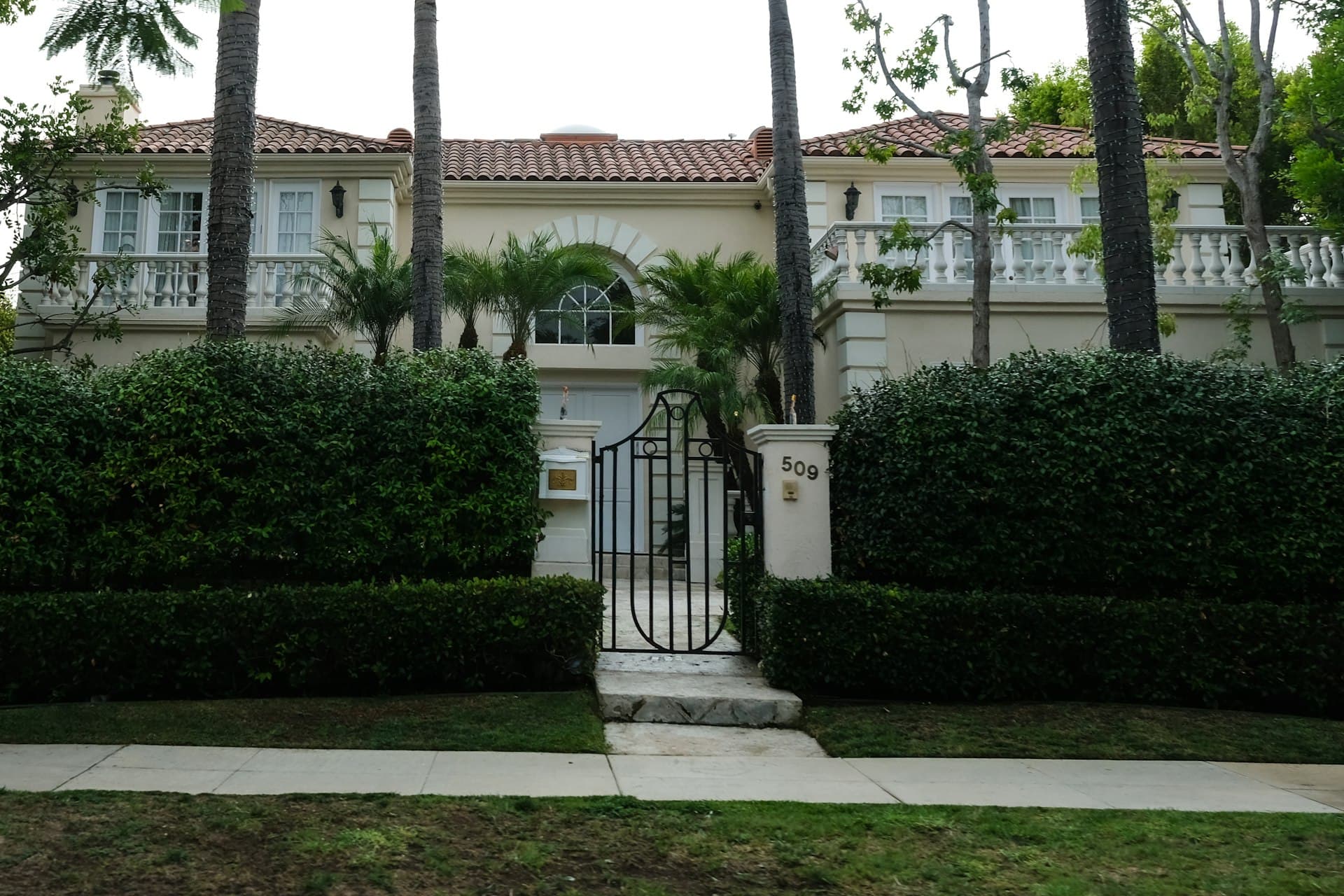
Asphalt shingles are most common in Orlando residential areas, with tile roofing popular in upscale neighborhoods and Mediterranean-style homes. Metal roofing is growing in popularity due to hurricane performance and energy efficiency.
High priority on energy efficiency due to long cooling season. Reflective metal roofs and cool roof coatings popular for reducing AC usage. Proper attic ventilation is critical in Orlando's hot, humid climate.
Hurricane preparedness is essential. Many homeowners upgrade to impact-resistant materials after storm damage. Hurricane clips and improved fastening systems are standard requirements under Florida Building Code for high-wind zones.
- Shingle degradation from intense UV exposure
- Mold and mildew growth from high humidity
- Storm damage from hurricanes and tropical storms
- Roof leaks from heavy seasonal rainfall
- HOA restrictions limiting material and color choices
- Insurance challenges with older roofs
Roofing by Neighborhood
roofing contractors in Orlando
APC Roofing
Westfall Roofing
Gravity Roofing
Honest Abe Roofing Orlando
Big Sky Roofing
+ 2 more in Orlando
Need a roofing contractor in Orlando?
(844) 578-3077How to Pick a Roofer in Orlando
What to look for when hiring a roofer, and what to avoid.
- Florida state roofing license in good standing
- Proof of liability and workers' compensation insurance
- GAF Master Elite, CertainTeed Select, or Owens Corning certification
- Strong local reviews and references
- Detailed written estimates with material specifications
- Willing to pull permits and schedule inspections
- Clear communication and professional conduct
- Offers manufacturer and workmanship warranties
- No verifiable license or insurance
- Requests large upfront payment (more than 10-20%)
- Pressure tactics or limited-time offers
- No physical address or local presence
- Unwilling to provide written contract
- History of complaints with BBB or Florida DBPR
- Offers to waive permit requirements
- Storm chasers with out-of-state plates
Storm Chaser Warning: After major storms, out-of-town contractors often go door-to-door offering quick repairs. Be cautious — reputable local contractors build business through referrals, not high-pressure tactics. Always verify licensing and get multiple quotes.
Filing Insurance Claims in Orlando
How to file a roof damage claim with your insurance company, step by step.
- Document all damage with photos and videos immediately
- Make temporary repairs to prevent further damage
- Save receipts for all emergency repairs
- Request contractor's inspection before insurance adjuster visit
- Get multiple repair estimates
- Review policy for coverage limits and deductibles
- Understand wind vs. flood coverage distinctions
- 1Inspect roof immediately after storm passes safely
- 2Document all visible damage with photos
- 3Contact insurance company to file claim
- 4Schedule professional roof inspection
- 5Make temporary repairs to prevent water intrusion
- 6Meet with insurance adjuster
- 7Obtain detailed repair/replacement estimates
- 8Review settlement offer carefully before accepting
- 9Hire licensed contractor to complete repairs
Document Everything
Photos before & after
Call Within 48 Hours
Report damage promptly
Keep All Records
Save communications
Important: If storm damage covers 25% or more of your roof, insurance usually pays for a full replacement.
HOA Roofing Rules in Orlando
Very common in Orlando area. Most planned communities, subdivisions, and master-planned developments have HOA oversight of exterior modifications including roofing.. Some neighborhoods have rules about roofing materials, colors, or contractors. Check before you start.
- Pre-approved color palettes for roofing materials
- Specific material requirements (tile only, no metal, etc.)
- Architectural style consistency requirements
- Licensed and insured contractor requirements
- Submission of plans and samples before approval
Required Documents:
- Roofing material samples or product specifications
- Color selections from approved palette
- Contractor license and insurance certificates
- Project diagrams or renderings
- Permit application copies
Emergency Repairs: Temporary emergency repairs allowed to prevent further damage, but permanent work still requires HOA approval
Bright colors and metal finishes often restricted. Check CC&Rs for specific community requirements.
- Request CC&Rs before purchasing materials
- Attend HOA meetings to understand roofing policies
- Get written approval before starting work
- Use contractors familiar with HOA compliance processes
- Document all communications with HOA board
Roofing Permits in Orlando
Here's what you need to know about permits before your roofing project starts.
Permit Required
Yes
Processing Time
3-5 business days for residential re-roofing
Issuing Authority
City of Orlando Permitting Services Division / Orange County Building Division
- 1Permits required for roof replacement or repairs exceeding 25% of roof area
- 2If work value exceeds specified thresholds, a recorded Notice of Commencement is required
- 3Owner-builders must complete an Owner Builder Disclosure Statement in person
- 4Dry-in/in-progress inspection (code 125) required for all re-roof projects since Jan 1, 2020
- 5Inspection affidavit required for final inspection to verify roof decking nail down and secondary water barrier
- 6Florida's 25% rule: if more than 25% repaired in 12 months, entire roof must meet current code
Official Resources
Pro Tip: Most reputable contractors handle the permit process for you as part of the project. Verify this is included in your contract before signing.
How Roof Replacement Works in Orlando
Here's what happens step by step, from the first inspection to the final walkthrough.
Schedule professional roof inspection
Get multiple quotes from licensed contractors
Check HOA requirements and obtain approval if applicable
Apply for building permit through City of Orlando or Orange County
Select materials suited for Orlando climate
Schedule work during dry season if possible
Contractor removes old roofing materials
Inspect and repair roof decking as needed
Install underlayment and new roofing system
Complete flashing and detail work
Schedule and pass required inspections
Final walkthrough and documentation
Pro Tip
Get everything in writing before work begins, including scope, materials, timeline, and warranty terms. A detailed contract protects both you and the contractor.
Frequently Asked Questions
Answers to common roofing questions in Orlando, Florida
Have a question? Give us a call.
Call (844) 578-3077More Cities in Florida
See roofing contractors in other FL cities
Still comparing roofers?
Talk to one before you decide. No obligation — the first call is fact-finding.
(844) 578-3077