
Roof Repair & Roofing Contractors in Hialeah, Florida
8+ licensed, insured roofers in Hialeah. Call to get matched.
Updated May 2026 · 8 local pros
(844) 578-3077Photo: Photo by Oskar Kadaksoo on Unsplash
Hialeah Weather and Your Roof
Hialeah's weather affects which materials last and when you should schedule your project.
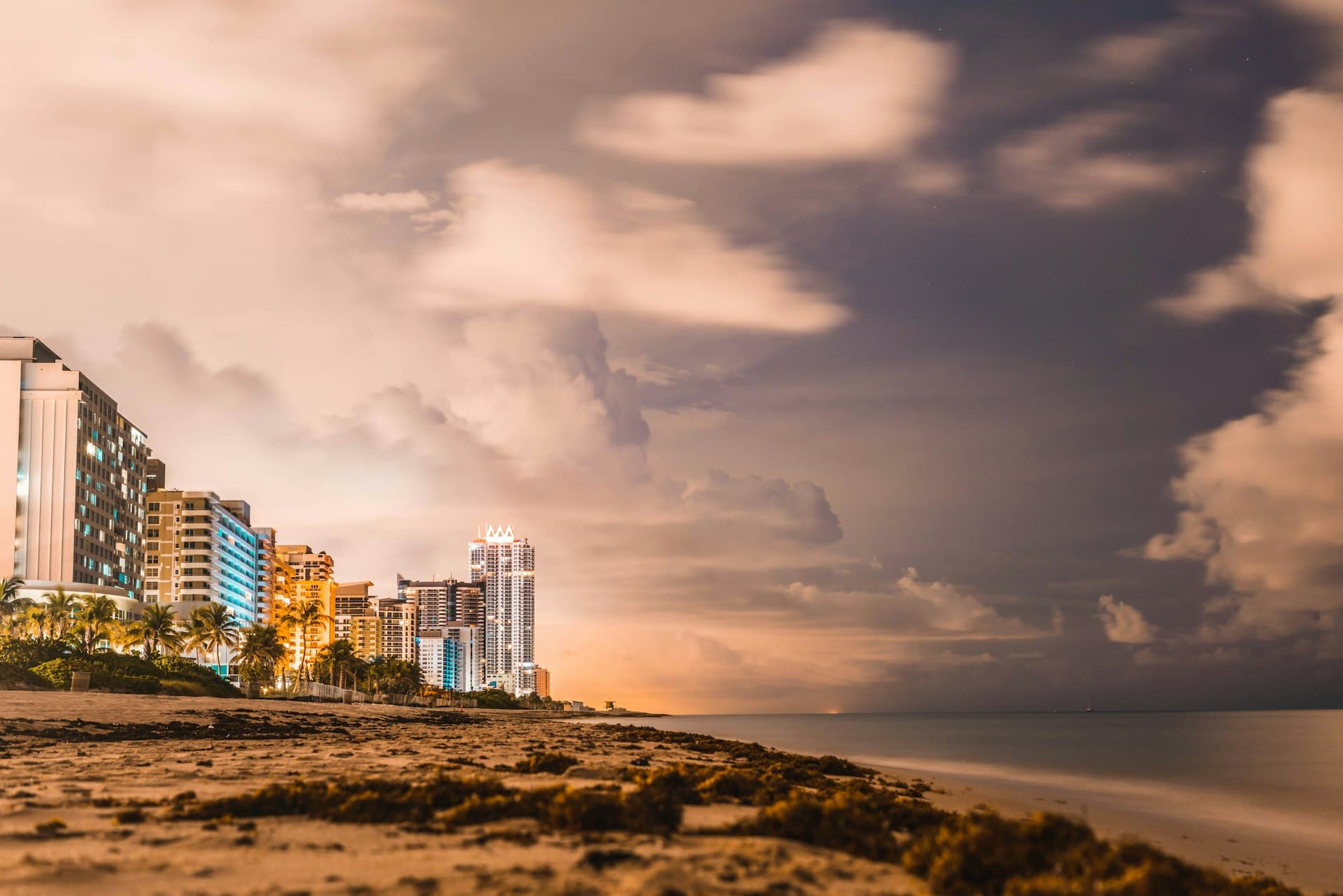
Photo by Dylan Sauerwein on Unsplash
High-Velocity Hurricane Zone (HVHZ) with winds exceeding 175 mph during major storms
Year-round intense UV exposure causing accelerated material degradation
Average 60+ inches of annual rainfall with frequent heavy downpours
Recommended Months
Avoid if Possible
- Light-colored or reflective roofing reduces cooling costs by up to 20%
- Metal roofing reflects sunlight and reduces attic temperatures
- Proper attic ventilation critical to prevent heat and moisture buildup
- Cool roof coatings can extend roof life and improve energy efficiency
The climate challenges begin with intense UV radiation that beats down on roofs nearly year-round. This constant sun exposure causes accelerated deterioration of roofing materials, particularly asphalt shingles, which can lose their protective granules and become brittle far faster than in northern climates. The average roof lifespan in Hialeah runs 20-30% shorter than national averages because of this relentless solar assault.
Humidity compounds these problems significantly. With average humidity levels between 75-85%, Hialeah creates ideal conditions for algae, mold, and mildew growth on roof surfaces. These biological invaders not only create unsightly black streaks but can actually compromise the integrity of roofing materials over time. Salt air from the nearby coast adds another layer of concern, particularly for metal components and flashing that can corrode without proper protective coatings.
Hurricane season from June through November represents the most significant threat to Hialeah roofs. The city experienced devastating damage during Hurricane Andrew in 1992, which fundamentally changed Florida's building codes, and again during Hurricane Irma in 2017 when thousands of roofs in neighborhoods like Palm Springs were torn apart. This history has made Hialeah residents acutely aware of the importance of hurricane-ready roofing systems that go beyond minimum code requirements.
How Hialeah's Climate Affects Materials
asphalt Shingles
UV rays cause faster deterioration; must use algae-resistant varieties; lifespan reduced to 12-15 years
tile
Excellent durability but can crack from flying debris during hurricanes; requires proper underlayment
metal
Resists high winds up to 175 mph; reflects heat for energy savings; saltwater can cause corrosion without proper coating
flat Roof
Requires excellent drainage; prone to ponding water; TPO and PVC membranes perform well in humidity
Does Your Hialeah Roof Need Replacing?
Look for these red flags. They mean your roof may be past its prime.
- Water stains on ceilings or walls
- Active leaks during rainstorms
- Daylight visible through roof boards in attic
- Sagging ceiling areas
- Mold or mildew smell in attic
- Increased humidity or moisture in attic space
- Missing, cracked, or curling shingles
- Broken or slipped roof tiles
- Visible granule loss in gutters (asphalt roofs)
- Damaged or missing flashing around vents and chimneys
- Sagging roof deck areas
- Algae, moss, or mold growth on roof surface
- Damaged or missing hurricane straps visible in attic
Replace vs. Repair: The 25% Rule
If damage affects less than 25% of the roof surface and is localized, repair may be sufficient. If damage is widespread, roof is over 15 years old, or multiple areas show deterioration, full replacement is typically more practical. In HVHZ areas like Hialeah, extensive repairs often trigger full code compliance requirements, making replacement the better long-term choice.
What to Know About Roofing in Hialeah
Roof styles and common problems specific to Hialeah
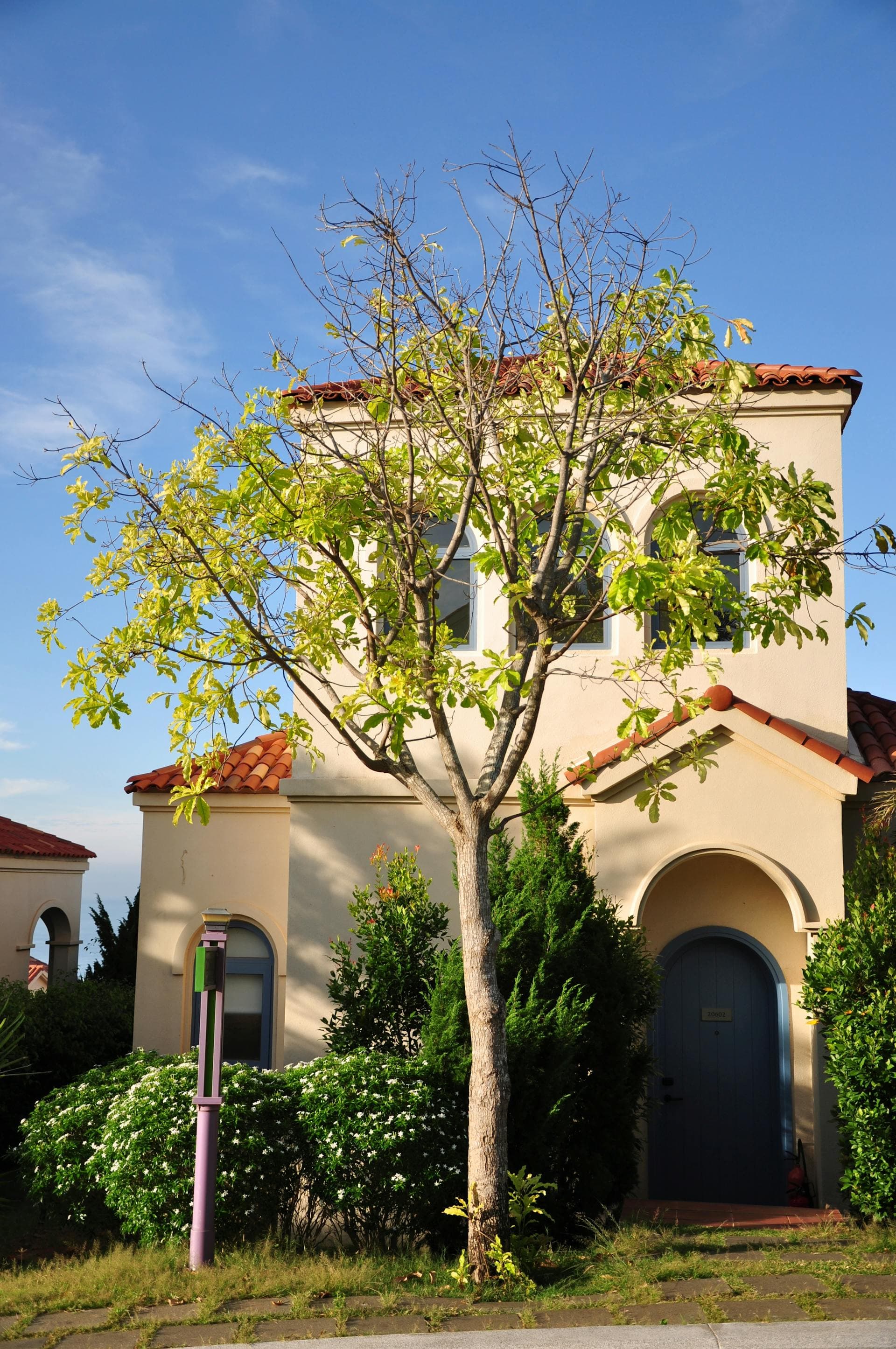
Mix of Mediterranean Revival with barrel tile roofs, ranch-style homes with shingle roofs, and low-slope commercial buildings with flat membrane roofs
High cooling demand year-round; reflective roofing materials and proper ventilation are priorities for energy efficiency
Peak hurricane preparedness period is May-June before season; many roofers booked solid August-November after storms
- Accelerated shingle deterioration from UV exposure
- Algae and mold growth due to high humidity
- Hurricane damage from wind uplift and flying debris
- Improper repairs from unlicensed storm chasers
- Older homes not meeting current HVHZ code requirements
- Insurance claim disputes after storm damage
Roofing by Neighborhood
roofing contractors in Hialeah
The Roofers FL
WSR Roofing & Construction
Dynasty Roofing Corp
J&M Roofing Repair LLC
LZ Roofing & Construction Corp.
+ 3 more in Hialeah
Need a roofing contractor in Hialeah?
(844) 578-3077How to Pick a Roofer in Hialeah
What to look for when hiring a roofer, and what to avoid.
- Valid Florida roofing contractor license (CCC or CGC)
- Proper liability insurance and workers' compensation
- Experience with HVHZ requirements and Miami-Dade NOA products
- Willingness to pull permits and schedule inspections
- Written warranty on workmanship (5+ years recommended)
- Local references from Hialeah or Miami-Dade projects
- Clear written contract with detailed scope of work
- No license or out-of-state license only
- Requests full payment upfront
- Offers to waive permit or skip inspections
- Unusually low bids that seem too good to be true
- High-pressure sales tactics or door-to-door solicitation after storms
- Cannot provide NOA documentation for materials
- No physical business address or only temporary presence
Storm Chaser Warning: After major storms, out-of-town contractors often go door-to-door offering quick repairs. Be cautious — reputable local contractors build business through referrals, not high-pressure tactics. Always verify licensing and get multiple quotes.
Filing Insurance Claims in Hialeah
How to file a roof damage claim with your insurance company, step by step.
- Document all damage immediately with photos and videos
- File claims promptly - don't wait for contractor estimates
- Florida law requires insurers to acknowledge claims within 14 days
- Insurers must pay or deny within 90 days of claim notice
- Keep copies of all correspondence and claim numbers
- Consider hiring a licensed public adjuster for complex claims
- Review your policy for Law and Ordinance coverage (code upgrade requirements)
- If denied, you have five years to file lawsuit for breach of contract
- 1Secure property with temporary repairs (tarping, boarding)
- 2Document damage thoroughly before any permanent repairs
- 3Contact insurance company to file claim
- 4Meet with insurance adjuster during inspection
- 5Get independent contractor estimates for comparison
- 6Review settlement offer carefully before accepting
- 7Consider DFS mediation if claim is disputed
- 8Consult attorney if claim is wrongfully denied
Document Everything
Photos before & after
Call Within 48 Hours
Report damage promptly
Keep All Records
Save communications
Important: If storm damage covers 25% or more of your roof, insurance usually pays for a full replacement.
HOA Roofing Rules in Hialeah
Common in newer subdivisions and planned communities throughout Hialeah. Some neighborhoods have rules about roofing materials, colors, or contractors. Check before you start.
- Specific approved roofing colors to maintain uniform appearance
- Material type restrictions (some prohibit metal despite code approval)
- Architectural style requirements matching community aesthetic
- Pre-approved contractor requirements in some communities
Required Documents:
- Roofing material samples and color selections
- Contractor license and insurance certificates
- Roof diagrams or architectural drawings
- Product specifications with NOA/Florida Product Approval numbers
Emergency Repairs: Temporary repairs (like tarping) allowed without prior approval; full replacement still requires approval
- Request CC&Rs and architectural guidelines before planning roof project
- Attend HOA meetings to build rapport before submitting requests
- Document everything in writing
- If denied, request specific CC&R section justifying denial
- HOA cannot override Florida Building Code requirements
- Under Florida Statute 163.04, HOAs cannot block solar installations
Roofing Permits in Hialeah
Here's what you need to know about permits before your roofing project starts.
Permit Required
Yes
Processing Time
1-3 weeks typical for residential; can be expedited for emergency repairs
Issuing Authority
City of Hialeah Building Department / Miami-Dade County Permitting and Inspection Center
- 1Hialeah is in Miami-Dade County High-Velocity Hurricane Zone (HVHZ)
- 2All roofing materials must have Miami-Dade NOA or Florida Product Approval
- 3Uniform Roofing Permit Application (Sections A, B, C, D, E) required
- 4HVHZ-specific forms required: Section D for shingle, tile, metal systems
- 5Owner's Notification for Roofing Considerations form required
- 6Hurricane Mitigation Retrofit forms required for single-family homes
- 7E-Permitting available for qualified contractors through Miami-Dade system
- 8If 25% or more of roof repaired in 12 months, entire roof must meet current code
- 9Secondary water barrier and roof-to-wall connections often required during re-roof
Official Resources
Pro Tip: Most reputable contractors handle the permit process for you as part of the project. Verify this is included in your contract before signing.
How Roof Replacement Works in Hialeah
Here's what happens step by step, from the first inspection to the final walkthrough.
Initial inspection and damage assessment
Obtain HOA approval if applicable
Select HVHZ-approved materials with proper NOA documentation
Apply for permit through City of Hialeah or Miami-Dade County
Schedule work during dry season if possible (December-May)
Remove existing roofing materials
Inspect and repair/replace damaged decking
Install secondary water barrier per HVHZ requirements
Install new roofing system with proper fasteners
Install hurricane straps and roof-to-wall connections if needed
Final inspection by building department
Obtain certificate of completion
Pro Tip
Get everything in writing before work begins, including scope, materials, timeline, and warranty terms. A detailed contract protects both you and the contractor.
Frequently Asked Questions
Answers to common roofing questions in Hialeah, Florida
Have a question? Give us a call.
Call (844) 578-3077More Cities in Florida
See roofing contractors in other FL cities
Still comparing roofers?
Talk to one before you decide. No obligation — the first call is fact-finding.
(844) 578-3077