

Roof Repair & Roofing Contractors in San Jose, California
8+ licensed, insured roofers in San Jose. Call to get matched.
Updated May 2026 · 8 local pros
(844) 578-3077Photo: Photo by Mo on Unsplash
San Jose Weather and Your Roof
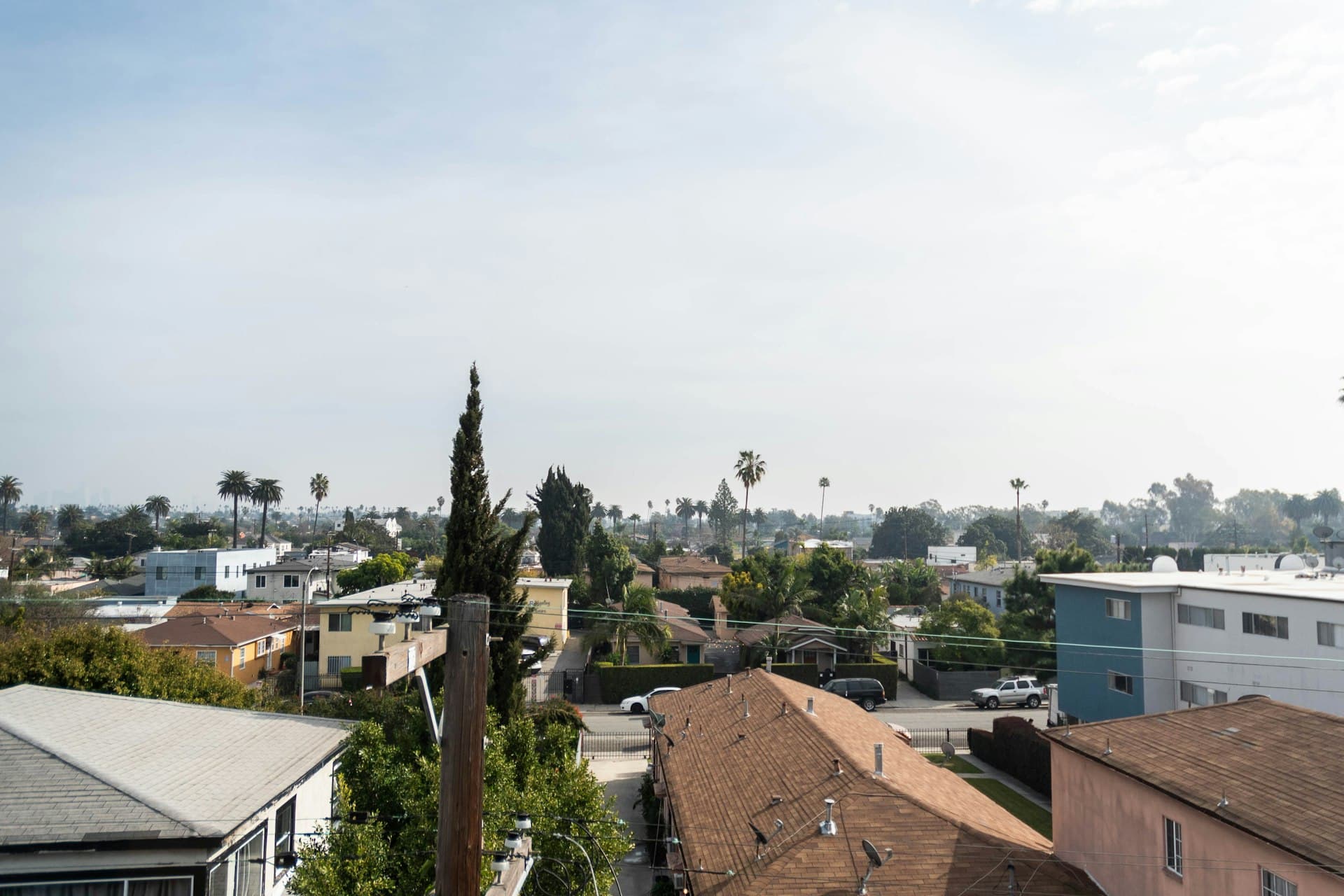
San Jose's weather affects which materials last and when you should schedule your project.

Photo by Cristina Glebova on Unsplash
Hot, dry summers with prolonged UV exposure causing material degradation
Mild but rainy winters requiring proper waterproofing
Occasional strong winds during storm events
Recommended Months
Avoid if Possible
- Title 24 requires cool roofs for most replacements in Bay Area climate zones
- Metal roofs reflect solar heat and reduce air conditioning costs
- Light-colored tiles and reflective coatings help maintain cooler interiors
- Proper attic ventilation extends roof life and reduces energy bills
- Solar-ready roofing systems increasingly popular for future panel installation
The Bay Area's position along earthquake fault lines adds another dimension to roofing decisions. Homes in San Jose must have structurally sound roofs that can withstand seismic activity, which is particularly important when considering heavier materials like clay or concrete tile. Additionally, hillside communities in areas like Almaden Valley and the eastern foothills face elevated wildfire risk, requiring Class A fire-rated roofing materials and creating restrictions on wood shake installation.
Seasonal wind events, particularly during winter storms, can damage improperly installed shingles and tiles. The combination of wet winters followed by hot, dry summers creates expansion and contraction cycles that test roofing materials and installation quality. Homeowners should plan roofing projects for the optimal window between April and November, avoiding the rainy season when moisture can compromise installation quality and extend project timelines. Understanding these climate factors helps San Jose homeowners select materials and contractors that will deliver roofs capable of protecting their homes for decades to come.
How San Jose's Climate Affects Materials
asphalt Shingles
Sun exposure shortens lifespan; lighter colors recommended for heat reflection
metal Roofing
Excellent heat reflection and durability; well suited to wildfire-prone areas
clay Tile
Performs well in dry climate; heavy weight good for wind resistance
wood Shake
High fire risk; not permitted in WUI zones; requires fire-resistant treatment
Does Your San Jose Roof Need Replacing?
Look for these red flags. They mean your roof may be past its prime.
- Water stains on ceilings or walls
- Light visible through the roof into the attic
- Sagging roof deck visible from attic
- Mold or mildew smell in attic spaces
- Increased energy bills (poor insulation from failing roof)
- Missing, cracked, curled, or buckling shingles
- Granules accumulating in gutters (from asphalt shingles)
- Visible moss, algae, or dark streaks on roof surface
- Damaged or deteriorating flashing around vents and chimneys
- Peeling exterior paint near roofline
- Obvious sagging in roof sections
Replace vs. Repair: The 25% Rule
If damage is localized to a small area, repair may be sufficient. If your roof is 20+ years old, has widespread damage, multiple leak points, or shows extensive granule loss, full replacement is typically a better long-term solution than continued repairs.
What to Know About Roofing in San Jose
Roof styles and common problems specific to San Jose
Ranch-style single-family homes from 1960s-1970s era are prevalent, along with Mediterranean-style architecture featuring clay tile roofs
Strong emphasis on energy efficiency with Title 24 cool roof requirements; solar-ready roofing increasingly popular
Seasonal preparation for rainy winters and occasional strong winds; wildfire preparedness in hillside areas
- Sun damage and UV degradation on south-facing roof sections
- Aging roofs on 1960s-1970s homes reaching end of lifespan
- Clay tile roofs requiring structural evaluation before replacement
- HOA compliance challenges in planned communities
Roofing by Neighborhood
roofing contractors in San Jose
KITA Construction Group, LLC
Los Gatos Roofing
Lifetime Roofing & Renovation, Inc.
Simon Says Roofing
Westshore Roofing, Inc.
+ 3 more in San Jose
Need a roofing contractor in San Jose?
(844) 578-3077How to Pick a Roofer in San Jose
What to look for when hiring a roofer, and what to avoid.
- Licensed, bonded, and insured in California
- Diamond Certified or similar third-party verification
- Local experience in San Jose and Bay Area
- Handles permit process on your behalf
- Provides detailed written estimates
- Offers workmanship warranties
- Experience with HOA communities
- Good communication and responsiveness
- Unwilling to pull permits
- Demands large upfront deposits
- No local references or verified reviews
- Pressure tactics or limited-time offers
- Cannot provide proof of insurance
- Vague or verbal-only estimates
Storm Chaser Warning: After major storms, out-of-town contractors often go door-to-door offering quick repairs. Be cautious — reputable local contractors build business through referrals, not high-pressure tactics. Always verify licensing and get multiple quotes.
Filing Insurance Claims in San Jose
How to file a roof damage claim with your insurance company, step by step.
- Document damage with photos immediately
- Review your policy for coverage details
- Schedule insurance adjuster visit
- Get contractor estimates before filing
- Unrepaired damage needs immediate attention to avoid policy cancellation
- 1Document damage with photos and video
- 2Make temporary repairs to prevent further damage
- 3Contact insurance company promptly
- 4Schedule adjuster inspection
- 5Get estimates from licensed contractors
- 6Review settlement offer carefully
Document Everything
Photos before & after
Call Within 48 Hours
Report damage promptly
Keep All Records
Save communications
Important: If storm damage covers 25% or more of your roof, insurance usually pays for a full replacement.
HOA Roofing Rules in San Jose
Common in many San Jose neighborhoods, especially planned communities. Some neighborhoods have rules about roofing materials, colors, or contractors. Check before you start.
- Pre-approved color lists (typically neutral: brown, tan, gray, charcoal, black)
- Material-specific rules (tile may be required in some communities)
- Architectural review before any exterior changes
- Matching existing neighborhood aesthetic
Required Documents:
- Detailed application
- Color samples
- Material specifications
- Contractor information
Emergency Repairs: Most communities allow emergency repairs without prior approval but require notification
Bright or unusual colors typically not permitted
- Read CC&Rs thoroughly before planning your project
- Get written approval before starting work
- Work with contractors experienced in HOA communities
- Allow extra time for the approval process
Roofing Permits in San Jose
Here's what you need to know about permits before your roofing project starts.
Permit Required
Yes
Processing Time
3-10 business days
Issuing Authority
City of San Jose Planning, Building and Code Enforcement
- 1Removing more than 25% of existing roof surface triggers permit requirement
- 2Title 24 energy efficiency compliance must be clearly outlined for cool roof installations
- 3All structural alterations or full tear-offs must be reported and inspected
- 4Most roofing contractors handle the full permitting process on behalf of homeowners
Official Resources
Pro Tip: Most reputable contractors handle the permit process for you as part of the project. Verify this is included in your contract before signing.
How Roof Replacement Works in San Jose
Here's what happens step by step, from the first inspection to the final walkthrough.
Schedule professional roof inspection
Get multiple estimates from licensed contractors
Verify contractor licensing and insurance
Check HOA requirements if applicable
Apply for city permit (contractor typically handles)
Old roof removal and debris disposal
Decking inspection and repair if needed
Install ice and water shield/underlayment
Install new roofing material
Install flashing, vents, and ridge caps
Final inspection by city
Cleanup and final walkthrough
Pro Tip
Get everything in writing before work begins, including scope, materials, timeline, and warranty terms. A detailed contract protects both you and the contractor.
Frequently Asked Questions
Answers to common roofing questions in San Jose, California
Have a question? Give us a call.
Call (844) 578-3077More Cities in California
See roofing contractors in other CA cities
Still comparing roofers?
Talk to one before you decide. No obligation — the first call is fact-finding.
(844) 578-3077