
Roof Repair & Roofing Contractors in San Diego, California
7+ licensed, insured roofers in San Diego. Call to get matched.
Updated May 2026 · 7 local pros
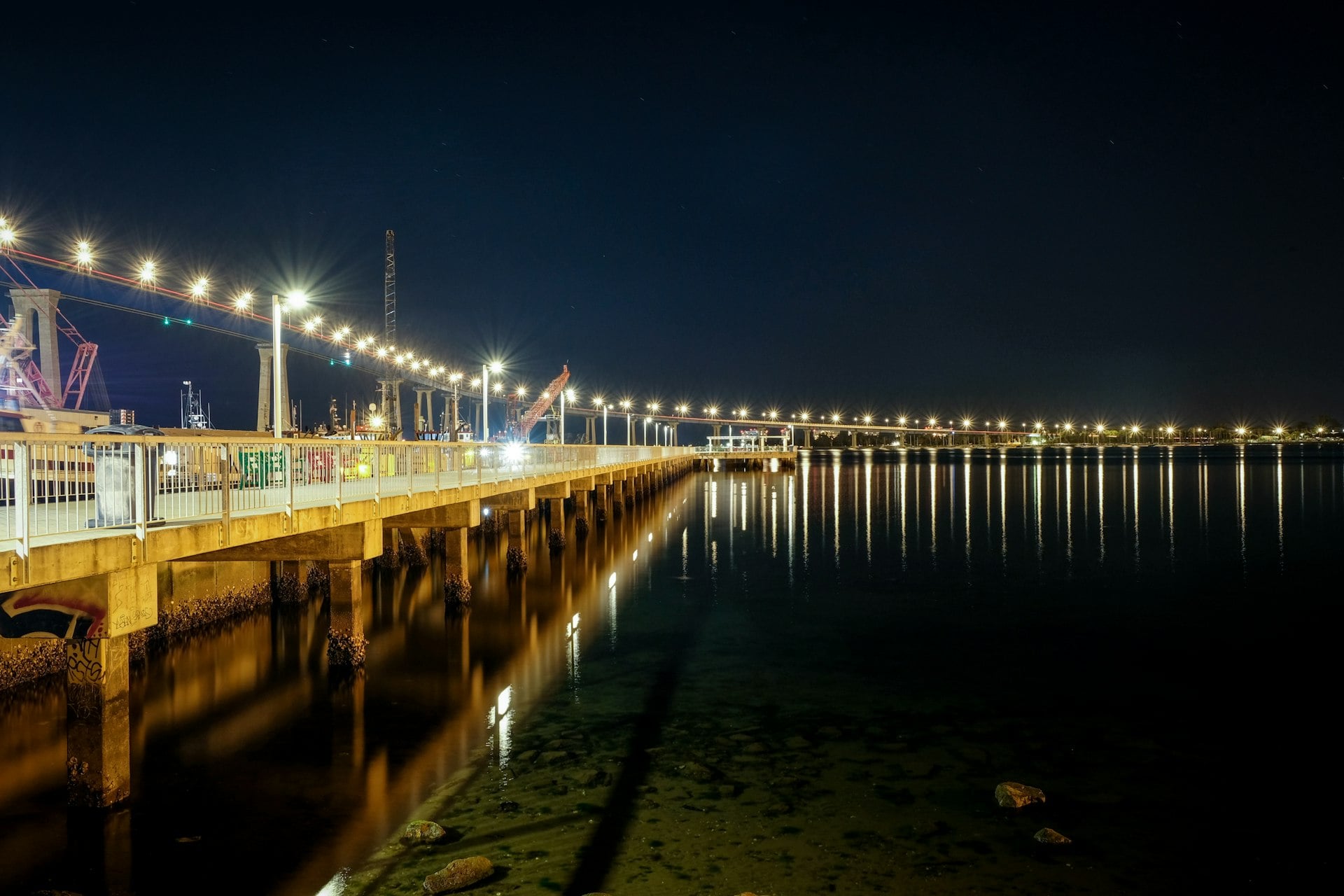
(844) 578-3077Photo: Photo by Abraham Barrera on Unsplash
San Diego Weather and Your Roof
San Diego's weather affects which materials last and when you should schedule your project.

Photo by Emanuel Prado on Pexels
Intense UV radiation with 263+ sunny days per year causing premature material aging
Significant day-to-night temperature fluctuations stressing roofing materials
Concentrated rainfall during winter months requiring proper drainage
Recommended Months
Avoid if Possible
- California Title 24 requires cool roof materials meeting solar reflectance standards
- Light-colored or reflective roofs can reduce cooling costs by 10-30%
- Proper attic ventilation extends roof life and reduces AC load
- SDG&E offers rebates for cool roof installations
Beyond the sun, San Diego roofs must contend with dramatic temperature swings between day and night, particularly in inland communities like Rancho Bernardo and El Cajon. This thermal cycling causes roofing materials to expand and contract repeatedly, stressing seams and eventually leading to cracks if materials are not properly selected for these conditions. Coastal areas from La Jolla to Pacific Beach face an additional challenge: salt-laden marine air that corrodes metal flashing, fasteners, and components that are not specifically treated for ocean exposure.
Winter brings its own problems. While San Diego's rainfall is concentrated into just a few months, those storms can be intense. Atmospheric rivers dump inches of rain in hours, overwhelming gutters clogged with debris from the long dry season. Flat roofs are particularly vulnerable to ponding water if drainage systems are not properly maintained. For inland and canyon properties, wildfire risk adds another layer of consideration, with Class A fire-rated materials now required in Very High Fire Hazard Severity Zones. Understanding these climate factors is essential for choosing materials that will actually deliver their promised lifespan in San Diego's unique environment.
How San Diego's Climate Affects Materials
asphalt Shingles
UV exposure causes granule loss and shortened lifespan (15-20 years vs 25-30 nationally)
clay Tile
Excellent UV resistance but underlayment degrades faster in heat
metal Roofing
Outstanding durability but coastal salt air can corrode unless properly coated
flat Roofs
UV dries out membranes faster; proper drainage critical for winter rains
Does Your San Diego Roof Need Replacing?
Look for these red flags. They mean your roof may be past its prime.
- Water stains or discoloration on ceilings
- Visible mold or mildew in attic
- Daylight visible through roof boards
- Sagging ceiling areas
- Musty odors in upper floors or attic
- Peeling paint near roofline
- Missing, cracked, or curling shingles
- Granules accumulating in gutters
- Visible sagging or soft spots on roof surface
- Damaged or missing flashing around vents and chimneys
- Moss, algae, or dark streaks on shingles
- Cracked or broken tiles
- Rust spots on metal components
- Blistering or bubbling on flat roofs
Replace vs. Repair: The 25% Rule
If damage covers more than 30% of the roof or the roof is over 15-20 years old with multiple issues, replacement is typically more effective than ongoing repairs. Single leaks, isolated damage, or roofs under 10 years old are usually good candidates for repair.
What to Know About Roofing in San Diego
Roof styles and common problems specific to San Diego
Spanish/Mediterranean clay tile roofs are iconic in San Diego, though modern and mid-century homes feature flat roofs and contemporary materials
Title 24 cool roof requirements and SDG&E rebates drive demand for reflective roofing materials
Winter rain preparation includes gutter cleaning and drainage checks; fire season requires defensible space and fire-resistant materials
- UV damage causing premature shingle aging
- Salt air corrosion on metal components near coast
- Underlayment failure beneath older tile roofs
- Ponding water on flat roofs after winter storms
- HOA delays and restrictions on material/color choices
Roofing by Neighborhood

roofing contractors in San Diego
San Diego County Roofing & Solar
Gen819 Roofing & Solar
Alma Roofing
Frontline Roofing
Ascent Roofing
+ 2 more in San Diego
Need a roofing contractor in San Diego?
(844) 578-3077How to Pick a Roofer in San Diego
What to look for when hiring a roofer, and what to avoid.
- Valid California C-39 roofing license
- Proof of liability and workers compensation insurance
- Strong local reviews on Google, Yelp, and BBB
- Manufacturer certifications (GAF, Owens Corning, etc.)
- Detailed written estimates with material specifications
- Clear warranty terms for both materials and workmanship
- Experience with local HOA requirements
- Knowledge of San Diego permit process
- No written estimate or vague details
- Demands large upfront payment or cash only
- High-pressure sales tactics or limited-time offers
- Cannot provide license number or insurance certificates
- No local references or reviews
- Unusually low bids compared to other estimates
- No mention of permits when they would be required
- Door-to-door solicitation after storms
Storm Chaser Warning: After major storms, out-of-town contractors often go door-to-door offering quick repairs. Be cautious — reputable local contractors build business through referrals, not high-pressure tactics. Always verify licensing and get multiple quotes.
Filing Insurance Claims in San Diego
How to file a roof damage claim with your insurance company, step by step.
- Document all damage with dated photos before any repairs
- Keep damaged materials as evidence if possible
- Get a professional inspection report
- Review your policy for coverage details and deductibles
- Work with contractors experienced in insurance claims
- Don't sign over insurance rights to contractors
- Get multiple estimates for comparison
- 1Secure property to prevent further damage
- 2Document damage thoroughly with photos and video
- 3Contact insurance company to file claim
- 4Schedule adjuster visit
- 5Get professional inspection and estimate
- 6Review adjuster's assessment and negotiate if needed
- 7Select licensed contractor and complete repairs
- 8Keep all receipts and documentation
Document Everything
Photos before & after
Call Within 48 Hours
Report damage promptly
Keep All Records
Save communications
Important: If storm damage covers 25% or more of your roof, insurance usually pays for a full replacement.
HOA Roofing Rules in San Diego
Very common across San Diego County's planned communities — among them Carmel Valley, Rancho Bernardo, 4S Ranch, Scripps Ranch, and Del Sur — most governed by California's Davis-Stirling Act.. Some neighborhoods have rules about roofing materials, colors, or contractors. Check before you start.
- Approved roofing materials only, often tile or architectural shingles
- Specific color palettes matching community aesthetic
- Prohibition on certain materials like metal in some communities
- Architectural review under the Davis-Stirling Act, with written reasons required for any denial
- Coastal and high-fire-severity homes may require Class A fire-rated assemblies
Required Documents:
- Formal written request with project description
- Material samples or specifications
- Color selections
- Contractor license and insurance certificates
- Project timeline
Emergency Repairs: Most HOAs allow emergency repairs to prevent further damage without prior approval, but documentation and follow-up approval are still required
Each HOA has specific approved color lists; always verify before purchasing materials
- Review HOA bylaws before contacting contractors
- Submit approval requests well before your project start date
- Work with contractors experienced in HOA processes
- Keep copies of all approvals and correspondence
- Under the Davis-Stirling Act, ask for the review deadline and the approved-materials list in writing
- In coastal and high-fire-severity zones, confirm whether a Class A fire-rated roof is required before choosing materials
San Diego Communities with HOA Roofing Rules:
Carmel Valley • Rancho Bernardo • 4S Ranch • Scripps Ranch • Del Sur • Santaluz • Torrey Highlands • Sabre Springs
Roofing Permits in San Diego
Here's what you need to know about permits before your roofing project starts.
Permit Required
Yes
Processing Time
1-3 weeks standard, 10+ additional business days for historic properties
Issuing Authority
City of San Diego Development Services Department
- 1Permit required if altering structural elements (framing, sheathing, beams)
- 2Permit required if new material weighs more than 6 lbs per square foot
- 3Permit required for complete sheathing replacement
- 4Permit always required for designated historical resources or historic districts
- 5Permit NOT required for simple re-roofing without structural changes
- 6Permit NOT required if replacing less than 25% of sheathing
- 7All new roofs in Very High Fire Hazard Severity Zones must be Class A rated
- 8Two or more existing layers must be torn off before new installation
- 9Cool roof compliance may be triggered under California Energy Code
- 10Wood shingles and shakes generally prohibited (historical exceptions exist)
- 11Electronic permit submission required through city online portal
Official Resources
Pro Tip: Most reputable contractors handle the permit process for you as part of the project. Verify this is included in your contract before signing.
How Roof Replacement Works in San Diego
Here's what happens step by step, from the first inspection to the final walkthrough.
Schedule professional roof inspection
Get multiple written estimates from licensed contractors
Check HOA requirements and submit approval if needed
Apply for building permit if required
Select materials meeting Title 24 and fire code requirements
Schedule installation during dry weather
Old roof tear-off and deck inspection
Underlayment and flashing installation
New roofing material installation
Final cleanup and debris removal
Pass final inspection if permit was required
Pro Tip
Get everything in writing before work begins, including scope, materials, timeline, and warranty terms. A detailed contract protects both you and the contractor.
Service-specific roofing in San Diego
Frequently Asked Questions
Answers to common roofing questions in San Diego, California
Have a question? Give us a call.
Call (844) 578-3077More Cities in California
See roofing contractors in other CA cities
Still comparing roofers?
Talk to one before you decide. No obligation — the first call is fact-finding.
(844) 578-3077