
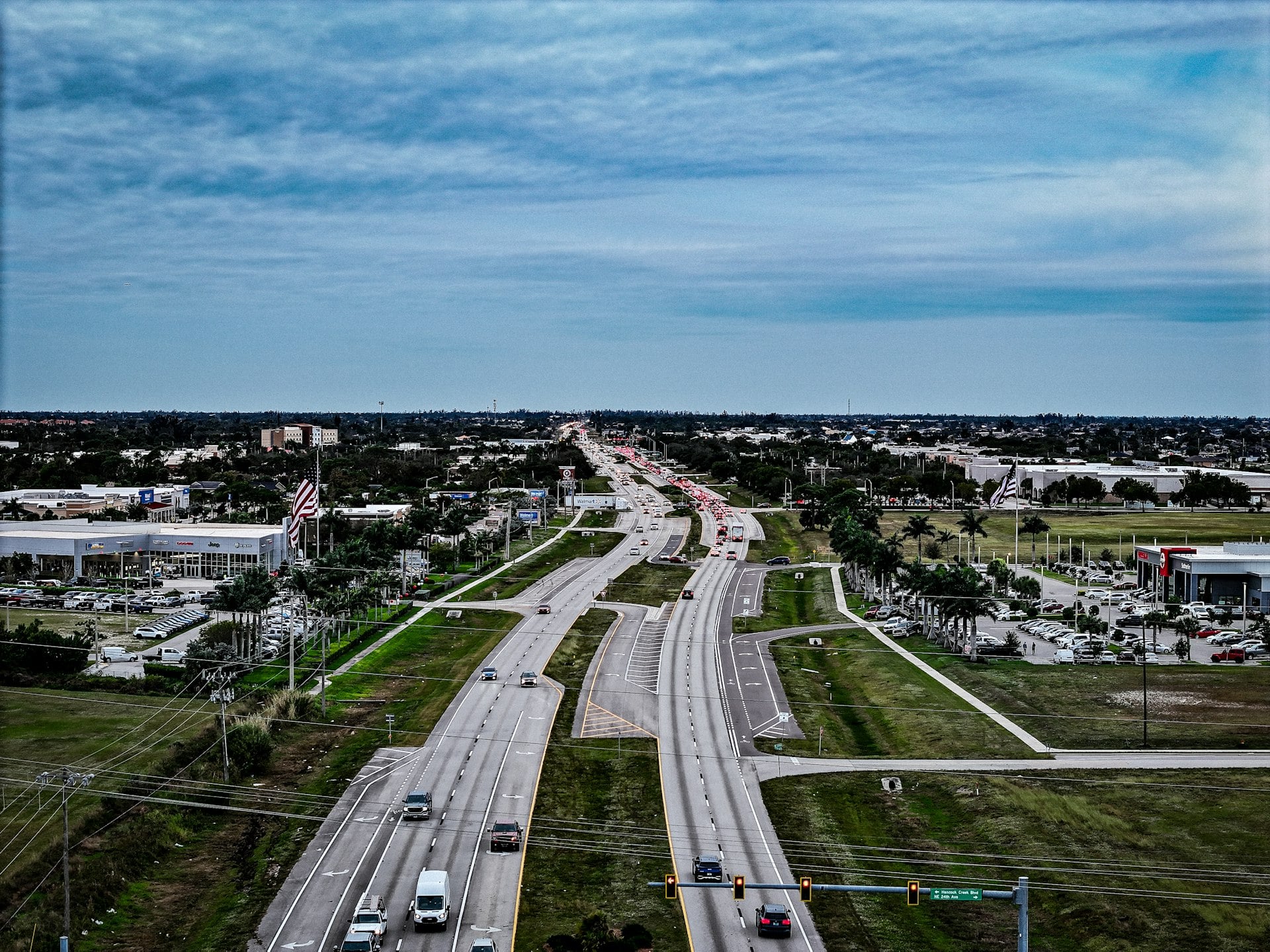
Roof Repair & Roofing Contractors in Cape Coral, Florida
8+ licensed, insured roofers in Cape Coral. Call to get matched.
Updated May 2026 · 8 local pros
(844) 578-3077Photo: Photo by Marmi Sica on Unsplash
Cape Coral Weather and Your Roof
Cape Coral's weather affects which materials last and when you should schedule your project.

Photo by Todd Trapani on Unsplash
Hurricane exposure - direct hit from Hurricane Ian in September 2022 caused widespread roof damage
Intense year-round UV exposure causes shingle decay and material deterioration
High humidity (50-60 inches of rain annually) accelerates algae growth and mold
Recommended Months
Avoid if Possible
- Light-colored or reflective roofing reduces cooling costs significantly
- Metal roofing reflects heat and can lower AC bills
- Proper attic ventilation prevents heat buildup and extends roof life
- Energy-efficient roofing may qualify for insurance discounts
The impact of Hurricane Ian in September 2022 demonstrated exactly how vulnerable roofs can be to Florida's extreme weather. The Category 4 storm made landfall with winds exceeding 150 mph, causing catastrophic damage throughout Cape Coral and Lee County. Thousands of homes experienced shingle loss, tile displacement, and in many cases complete roof failure requiring full replacement. This event underscored the critical importance of hurricane-resistant roofing materials and proper installation techniques.
Daily temperature fluctuations cause continuous expansion and contraction of roofing materials and sealants, leading to premature wear. The constant UV exposure breaks down asphalt compounds in shingles, often reducing their effective lifespan from the manufacturer's rated 25-30 years to just 12-20 years in Cape Coral's harsh conditions. Salt-laden air from the Gulf and surrounding waterways accelerates corrosion on metal components, fasteners, and flashing, making regular inspection and maintenance essential for coastal and canal-front properties.
High humidity creates ideal conditions for algae, mold, and mildew growth on roof surfaces, particularly on shaded or north-facing sections. Those dark streaks commonly seen on Florida roofs are algae colonies that, while primarily cosmetic, can hold moisture against roofing materials and contribute to premature deterioration. Professional soft washing every two to three years helps maintain roof appearance and longevity without damaging materials.
How Cape Coral's Climate Affects Materials
asphalt Shingles
Lifespan often reduced to 12-20 years due to UV, humidity, and salt exposure
clay Tile
Tiles last 50+ years but underlayment fails after 20-30 years
metal Roofing
Requires salt-resistant coatings and fasteners near coast; corrosion risk from salt-laden air
flat Roofs
Need proper drainage to prevent water pooling during intense rainfall
Does Your Cape Coral Roof Need Replacing?
Look for these red flags. They mean your roof may be past its prime.
- Water stains on ceilings or walls
- Ceiling stains with defined edges (fresh leak) or brown rings (older leak)
- Dripping sounds during rain
- Peeling paint on ceilings
- Soft spots in drywall
- Musty odors indicating hidden mold
- Visible daylight through roof boards in attic
- Rising energy bills indicating insulation compromise
- Missing, curling, or cracked shingles
- Granules collecting in gutters (shingle deterioration)
- Lifted ridge caps
- Blistering or bubbling shingles
- Sagging roof sections
- Damaged or rusted flashing around vents and chimneys
- Algae, mold, or black streaks on roof surface
- Cracked or displaced tiles
- Exposed or corroded fasteners on metal roofs
Replace vs. Repair: The 25% Rule
Repair if damage is isolated and roof is under 15-20 years old with no recurring leaks. Replace if multiple areas are damaged, underlayment is deteriorating, roof is over 20 years old, or repair needs are extensive relative to roof value.
What to Know About Roofing in Cape Coral
Roof styles and common problems specific to Cape Coral
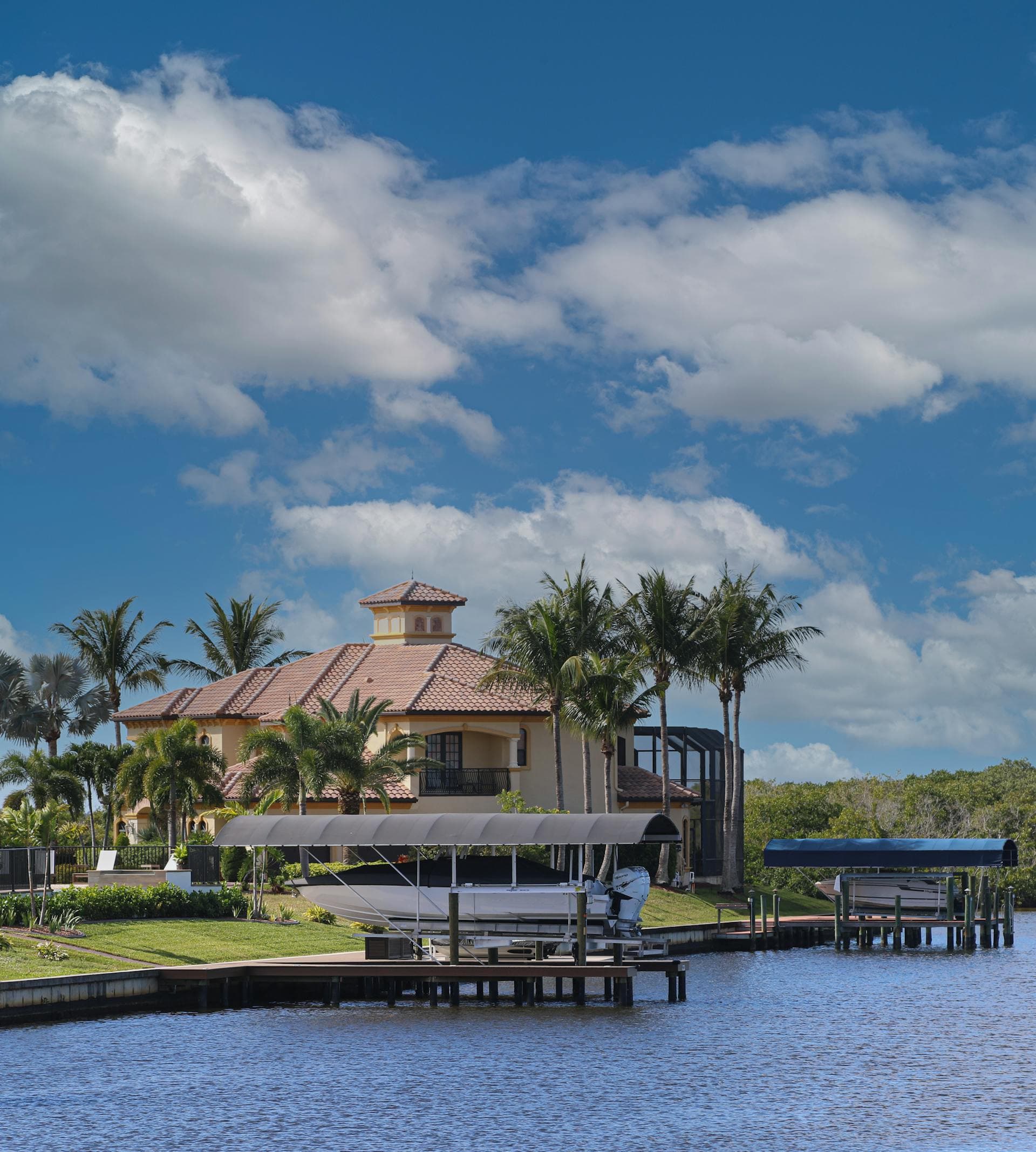
Clay terra cotta tile roofing reflecting Spanish Colonial and Mediterranean architectural influence common in Southwest Florida waterfront communities
High priority on heat-reflective roofing materials to reduce AC loads in subtropical climate; metal and light-colored tile popular for energy efficiency
Hurricane preparedness is critical - annual inspections before June hurricane season, clearing gutters, securing loose materials, and wind mitigation upgrades recommended
- Accelerated corrosion on metal components from salt-laden Gulf air and canal proximity
- Algae and mold growth due to high humidity requiring soft washing every 2-3 years
- Underlayment failure on tile roofs after 20-30 years while tiles remain intact
- Wind damage from tropical storms and hurricanes causing shingle loss and tile displacement
- Hurricane Ian (2022) caused widespread damage requiring many roof replacements
Roofing by Neighborhood
roofing contractors in Cape Coral
Giza Roofing Solutions
Sabal Construction and Roofing, LLC
Swift Roofing Services Inc
VET'S ROOFING, INC.
Roof EZ
+ 3 more in Cape Coral
Need a roofing contractor in Cape Coral?
(844) 578-3077How to Pick a Roofer in Cape Coral
What to look for when hiring a roofer, and what to avoid.
- Licensed and insured with Florida roofing contractor license (CCC)
- Established local presence in Southwest Florida
- Strong online reviews and references
- Provides detailed written estimates with material specifications
- Handles permits and inspections
- Offers workmanship warranties (1 year minimum for repairs, 5-10 years for replacements)
- Uses Florida Product Approved materials
- Familiar with Cape Coral building codes and HOA requirements
- No high-pressure sales tactics
- Demands large deposits upfront (never 100% before work)
- Cannot provide license number or proof of insurance
- Offers estimates significantly below all other quotes
- Storm chasers - out-of-state contractors appearing after hurricanes
- Pushes Assignment of Benefits (AOB) contracts without explanation
- No physical local address
- Reluctant to provide references or show previous work
- Vague or one-line estimates without material details
Storm Chaser Warning: After major storms, out-of-town contractors often go door-to-door offering quick repairs. Be cautious — reputable local contractors build business through referrals, not high-pressure tactics. Always verify licensing and get multiple quotes.
Filing Insurance Claims in Cape Coral
How to file a roof damage claim with your insurance company, step by step.
- File claims immediately after discovering damage using insurer's hotline, app, or portal
- Document all damage with photos and video before any repairs
- Take temporary measures to prevent further damage (tarping, boarding) - keep receipts
- Keep receipts if temporarily relocated - policy may cover additional living expenses
- Only public adjusters and attorneys can negotiate claims under new Florida law
- Verify credentials at www.beclaimsmart.com
- Avoid signing AOB contracts without understanding risks
- 1Document damage with photos and video immediately after storm
- 2Contact insurance company to file claim
- 3Schedule professional roof inspection
- 4Perform temporary repairs to prevent further damage
- 5Work with licensed public adjuster if claim is disputed
- 6Obtain multiple contractor estimates
- 7Review settlement carefully before signing
Document Everything
Photos before & after
Call Within 48 Hours
Report damage promptly
Keep All Records
Save communications
Important: If storm damage covers 25% or more of your roof, insurance usually pays for a full replacement.
HOA Roofing Rules in Cape Coral
Moderate - Many Cape Coral communities have HOAs, especially in master-planned developments and waterfront neighborhoods. Some neighborhoods have rules about roofing materials, colors, or contractors. Check before you start.
- Specific approved roofing materials and colors to maintain community aesthetics
- Color palettes typically require earth tones or traditional Florida tile colors
- Some HOAs restrict metal roofing or require specific styles
- Architectural review required before roof replacement
- Matching materials required for visible portions of roof
Required Documents:
- Roof replacement application
- Material samples or specifications
- Color samples
- Contractor license and insurance
Emergency Repairs: Emergency repairs typically allowed with expedited review; documentation required afterward
- Contact HOA before selecting materials to confirm approved options
- Request list of pre-approved roofing materials and colors
- Submit applications early to avoid delays
- Document storm damage thoroughly for expedited emergency approvals
- Work with contractors familiar with local HOA requirements
Roofing Permits in Cape Coral
Here's what you need to know about permits before your roofing project starts.
Permit Required
Yes
Processing Time
3-10 business days for residential re-roofing
Issuing Authority
City of Cape Coral Development Services - Permitting Services Division
- 1All re-roofing permits for tile or metal require a Certified Roofing Contractor (CCC) attachment
- 2CGC/CBC may be attached as roofing contractor on additions they are building
- 3Tile and underlayment replacement needs approval
- 4Required inspections: decking, dry-in, and final
- 5City handles permits and schedules required inspections
Official Resources
Pro Tip: Most reputable contractors handle the permit process for you as part of the project. Verify this is included in your contract before signing.
How Roof Replacement Works in Cape Coral
Here's what happens step by step, from the first inspection to the final walkthrough.
Schedule professional roof inspection (free from most contractors)
Receive detailed estimate with material options
If HOA community, submit architectural review application
Select contractor and sign contract
Contractor obtains building permit from City of Cape Coral
Old roofing materials removed and disposed
Decking inspection by city inspector
Install underlayment and new roofing materials
Dry-in inspection by city inspector
Complete flashing, vents, and finishing work
Final inspection and permit closure
Final walkthrough with homeowner
Pro Tip
Get everything in writing before work begins, including scope, materials, timeline, and warranty terms. A detailed contract protects both you and the contractor.
Frequently Asked Questions
Answers to common roofing questions in Cape Coral, Florida
Have a question? Give us a call.
Call (844) 578-3077More Cities in Florida
See roofing contractors in other FL cities
Still comparing roofers?
Talk to one before you decide. No obligation — the first call is fact-finding.
(844) 578-3077