2025 Storm Events in San Antonio

Recent severe weather that may have damaged roofs in your area

February 28, 2024

Hailstorm

Hail: Up to 1.5 inches

Affected Areas:

North San Antonio, Stone Oak, Hollywood Park

Significant roof damage reported across northern suburbs

April 9, 2024

Severe Thunderstorm with Hail

Hail: Up to 2 inches
Winds: 60+ mph

Affected Areas:

Central San Antonio, Alamo Heights, Terrell Hills

Widespread shingle damage and downed trees

May 15, 2024

Hailstorm

Hail: Quarter to golf ball size

Affected Areas:

Northwest San Antonio, Helotes, Leon Valley

Multiple insurance claims filed, some total roof losses

October 12, 2024

Severe Storm

Winds: 70+ mph

Affected Areas:

Citywide

Wind damage, debris impact, and some hail

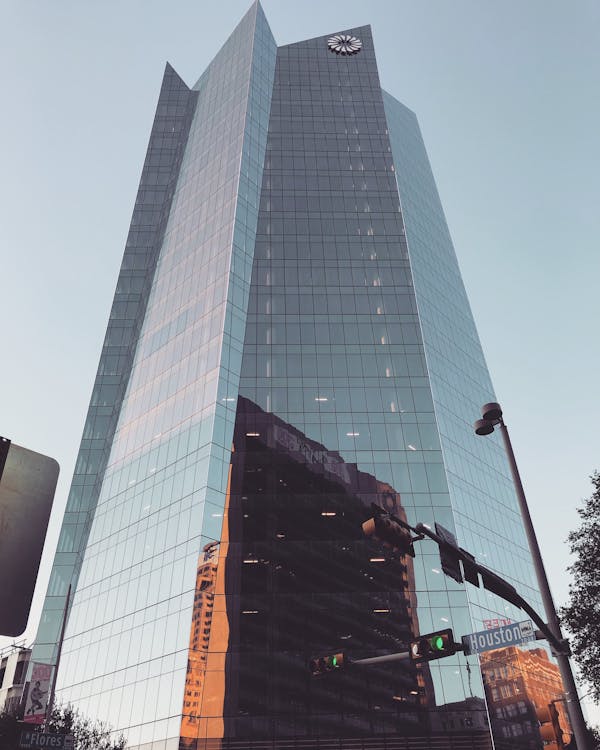
Frost Tower skyscraper reflecting sunset in downtown San Antonio, Texas
San Antonio, Texas

Find Trusted roofing contractors in San Antonio

8+ Local Prosready to help in San Antonio

Connect with licensed, insured roofing contractors in San Antonio, Texas. Compare options and get a free quote today.

Local Contractors
8
verified & ready to help
Avg Rating
4.7/5
Best Time
October - November
All contractors licensed & insured

Photo: Photo by emerlist davjack on Pexels

Climate Impact

Climate Considerations in San Antonio

Understanding San Antonio's weather patterns helps you choose the right roofing materials and plan your project timing.

Dramatic lightning strike during San Antonio Texas thunderstorm

Photo by Justin Wolff on Unsplash

Challenge 1

Extreme heat with temperatures regularly exceeding 100°F in summer

Challenge 2

High humidity averaging 65% year-round causing moisture issues

Challenge 3

Intense UV radiation causing premature shingle aging

Best Time to Roof
Optimal months for roofing projects

Best Months

OctoberNovemberDecemberJanuaryFebruary

Avoid if Possible

JuneJulyAugust
Energy Considerations
How your roof affects energy costs
  • Metal roofs can reduce cooling costs by 15-25%
  • Proper attic ventilation critical to prevent moisture buildup
  • Cool roofing materials with high solar reflectance recommended
  • Solar reflectance of 0.25 minimum required for most Texas roofs
  • Adequate insulation reduces HVAC strain in extreme temperatures
San Antonio presents unique challenges for residential and commercial roofing systems due to its position in what meteorologists call Hail Alley and its intense South Texas climate. The city experiences over 220 sunny days annually, subjecting roofs to relentless UV radiation that accelerates the breakdown of roofing materials. Summer temperatures regularly exceed 100 degrees Fahrenheit, causing asphalt shingles to expand during scorching afternoons and contract as temperatures drop at night. This constant thermal cycling weakens shingles over time, leading to premature cracking, curling, and brittleness.

The humidity factor cannot be overlooked either. San Antonio maintains average humidity levels around 65 percent year-round, creating ideal conditions for mold, mildew, and algae growth on roofing surfaces. When moisture becomes trapped in or under shingles, it can lift protective layers and compromise the roof deck beneath. Homeowners who neglect this issue often face not just cosmetic concerns but genuine structural damage requiring extensive repairs.

Perhaps the most significant threat comes from severe weather events. Texas leads the nation in hail damage, experiencing 458 hail events in 2022 alone according to the Insurance Information Institute. San Antonio's position makes it particularly vulnerable to these storms, which can arrive suddenly during spring and early summer. Golf ball-sized hail is not uncommon, and even smaller hailstones can cause devastating granule loss on standard asphalt shingles. The combination of intense UV exposure, high humidity, and frequent hailstorms means San Antonio roofs work harder than those in most American cities. Homeowners who understand these climate realities make smarter decisions about materials, maintenance schedules, and contractor selection.

How San Antonio's Climate Affects Materials

asphalt Shingles

UV rays break down asphalt causing cracking, curling, and brittleness. Heat causes daily expansion/contraction weakening shingles over time.

metal Roofing

Performs exceptionally well - reflects sunlight, cools quickly, withstands hail and wind. Proper installation critical for thermal expansion.

tile Roofing

Excellent heat resistance, allows airflow reducing attic heat buildup. Can become brittle after prolonged sun exposure.

flat Roofs

Prone to ponding water and UV damage. TPO and EPDM membranes recommended for durability.

Finding a qualified roofing contractor in San Antonio requires extra diligence because Texas does not mandate state licensing for roofers. Unlike states with strict licensing boards, the Texas Department of Licensing and Regulation (TDLR) does not administer licensure for roofing contractors, meaning anyone can legally operate as a roofer without demonstrating competence or carrying proper insurance. This regulatory environment places the responsibility squarely on homeowners to verify contractor qualifications before trusting them with one of their home's most critical protective systems.

San Antonio's position in Hail Alley adds urgency to contractor selection. After major storms strike neighborhoods like Stone Oak, Alamo Heights, or the Medical Center area, out-of-state storm chasers flood the market offering quick repairs. These transient operators often disappear before warranty issues surface, leaving homeowners without recourse. Connecting with established local contractors who understand San Antonio's unique climate challenges, from the relentless UV radiation to the humidity that promotes mold growth, ensures your roof replacement delivers decades of reliable protection.
The absence of state licensing in Texas makes voluntary certifications and local track records especially important when evaluating San Antonio roofing contractors. The Roofing Contractors Association of Texas (RCAT) offers a Licensed Roofing Contractor program requiring candidates to pass examinations covering business practices, safety, and technical roofing knowledge. Contractors must also maintain liability insurance of at least three hundred thousand dollars for residential work and complete continuing education to maintain their certification. While this license is voluntary, it demonstrates a contractor's commitment to professionalism beyond minimal legal requirements.

Manufacturer certifications provide another layer of quality assurance. GAF Master Elite, CertainTeed SELECT ShingleMaster, and Owens Corning Platinum Preferred designations require contractors to meet installation standards, maintain proper insurance, and demonstrate customer satisfaction. These certifications also unlock extended warranty options that protect homeowners beyond standard material warranties. Ask prospective contractors about their manufacturer relationships and what warranty coverage their certification enables.

When interviewing contractors, request proof of current liability insurance and workers' compensation coverage. Texas law allows companies to opt out of workers' compensation, but this shifts injury liability to homeowners if accidents occur on their property. Verify insurance by requesting certificates directly from the insurance company rather than accepting contractor-provided documents. Ask for local references from projects similar to yours, particularly if you have HOA requirements, historic home considerations, or previous storm damage. Request a detailed written proposal specifying material brands and models, scope of work, project timeline, permit handling, and warranty terms. Compare at least three proposals based on value rather than just the bottom line.

Roofing Materials for San Antonio

Selecting the optimal roofing material for San Antonio requires understanding how each option performs under extreme heat, intense UV exposure, and frequent hailstorms. Asphalt shingles remain the most common choice among homeowners, with architectural shingles offering superior wind resistance and visual appeal compared to basic three-tab options. However, standard asphalt experiences accelerated degradation under San Antonio's relentless sun, with lifespans of 15-25 years rather than the 30 years often quoted for milder climates. The constant thermal cycling from triple-digit days to cooler nights causes expansion and contraction that weakens shingles over time.

Impact-resistant shingles have become increasingly popular throughout San Antonio and the broader Texas market. These Class 4 rated products feature reinforced construction designed to withstand hail impacts that would damage standard shingles. Beyond the obvious protection benefits, Texas insurance companies recognize this enhanced durability by offering premium discounts for homes with impact-resistant roofing. The combination of hail protection and insurance savings makes these shingles particularly attractive for San Antonio homeowners who have experienced storm damage or live in frequently affected areas like Stone Oak and North Central.

Metal roofing represents the premium choice for longevity and energy efficiency in San Antonio's climate. Standing seam metal roofs reflect solar radiation rather than absorbing it, reducing heat transfer into the home and easing the burden on air conditioning systems. Metal roofs typically last 40-70 years with minimal maintenance, far outlasting multiple asphalt installations. They also withstand hail and high winds better than most alternatives. Clay and concrete tiles offer similar durability with 50-plus year lifespans, excelling at heat resistance while providing the aesthetic appeal that complements Spanish and Mediterranean architectural styles common in upscale neighborhoods. For commercial properties with flat roofs, TPO membranes provide excellent UV resistance and proven durability in San Antonio's demanding conditions.

Roofing Permits in San Antonio

San Antonio requires building permits for all full roof replacement projects, handled through the City of San Antonio Development Services Department. Homeowners can apply online through the BuildSA Portal or work with their roofing contractor to submit applications. Standard re-roof permits typically process within 2-5 business days, though simple projects without structural changes may receive same-day over-the-counter approval.

The permit process ensures compliance with critical building codes including wind ratings of 110-plus mph, Class A fire ratings, and the maximum two-layer limit for roofing materials mandated by the International Residential Code. Projects involving changes to roof pitch or conversion to heavier tile materials require an engineer's assessment and additional inspections. Reputable San Antonio roofing contractors handle permit acquisition as part of their standard service, navigating the paperwork while homeowners focus on material selection and project planning. Working without required permits creates risks including potential fines, stop-work orders, and complications when selling the property. The small investment of time in proper permitting protects homeowners and ensures their new roof meets the safety standards designed for San Antonio's demanding weather conditions.

Choosing a roofing contractor in San Antonio

Selecting the right roofing contractor in San Antonio requires careful vetting beyond simply comparing quotes. Unlike many states, Texas does not require state-level licensing for roofing contractors through the Texas Department of Licensing and Regulation (TDLR). This means anyone can legally call themselves a roofer in Texas without demonstrating knowledge, insurance coverage, or professional credentials. This regulatory gap makes homeowner due diligence especially important.

Look for contractors with established local presence. Companies like M&M Roofing, Siding and Windows bring over 40 years of San Antonio experience, while Cloud Roofing has served the community since 1975. This longevity indicates reliability and understanding of local climate challenges, building codes, and neighborhood requirements. The Roofing Contractors Association of Texas (RCAT) offers a voluntary Licensed Roofing Contractor program that requires passing examinations, maintaining insurance, and completing continuing education. Contractors with RCAT certification have demonstrated commitment to professional standards beyond the bare minimum.

Verify that any contractor carries current liability insurance and workers' compensation coverage, which protects homeowners from liability if accidents occur on their property. Manufacturer certifications from GAF, CertainTeed, or Owens Corning demonstrate proper installation training and often enable extended warranty coverage. Be especially cautious of storm chasers who appear immediately after hail events, soliciting door-to-door. These out-of-state operators often deliver substandard work and vanish before warranty claims arise. Red flags include demands for large upfront payments exceeding 10 percent, pressure to sign immediately, and offers to waive your insurance deductible, which is illegal in Texas.

Local Insights

San Antonio's diverse neighborhoods each present distinct roofing considerations that savvy homeowners understand before embarking on replacement projects. In Stone Oak, the upscale master-planned community on the city's far north side, larger homes ranging from 2,500 to 4,000 square feet dominate the landscape. HOA architectural committees here maintain strict control over roofing materials and colors, requiring pre-approval before any work begins. Homeowners in Stone Oak typically opt for premium impact-resistant shingles that satisfy both HOA requirements and insurance premium reduction goals.

Alamo Heights presents an entirely different challenge. This historic enclave features homes dating from the 1920s through 1960s, many with original clay tile roofs requiring specialized restoration rather than simple replacement. Mature oak trees throughout the neighborhood create ongoing debris accumulation and potential branch damage during storms. Some properties fall under historic preservation guidelines that limit material choices.

The Medical Center area surrounding South Texas Medical Center features a mix of older ranch homes and renovated properties, some with flat or low-slope roof sections requiring membrane systems rather than traditional shingles. Northwest neighborhoods extending toward Helotes include newer developments from the 2000s with HOA oversight similar to Stone Oak, though hilltop properties face additional wind exposure concerns. North Central and Windcrest offer established 1960s-1990s construction, though older homes frequently need decking replacement alongside new roofing. South San Antonio's vintage housing stock from the 1950s through 1980s often shows deferred maintenance requiring comprehensive assessment before replacement quotes prove accurate.
Connecting with the right San Antonio roofing contractor protects your home investment for decades. Focus your search on companies with established local presence, verifiable insurance coverage, and manufacturer certifications that demonstrate installation expertise. The voluntary RCAT licensing program and manufacturer designations like GAF Master Elite help identify contractors committed to professional standards in a state without mandatory licensing requirements.

Avoid storm chasers who appear after hail events with pressure tactics and too-good-to-be-true offers. Legitimate contractors welcome your questions, provide detailed written proposals, and handle permit acquisition through the City of San Antonio Development Services Department. Take time to verify credentials, check references, and compare proposals before committing. Ready to connect with qualified local roofing professionals who understand San Antonio's climate challenges? Start with a free inspection to assess your current roof condition and explore your options.
8

Verified roofing contractors

Verified local contractors serving San Antonio, Texas. All contractors are licensed and insured for roofing work in your area.

Highest Rated

M&M Roofing, Siding & Windows

4.9(1000 reviews)

Over 40 years in business, 1000+ positive reviews, lifetime warranty.

40+ years
Roof ReplacementStorm DamageMetal RoofingWindowsSiding
2

Kidd Roofing

4.9

3

Dolan Roofing & Construction

4.8

4

Bondoc Roofing

4.8

5

Cloud Roofing

4.7

6

Kresta Roofing

4.7

+ 2 more roofing contractors

More roofing contractors in San Antonio

USA Home Roofing & Exteriors
4.6

Specialties

Roof ReplacementStorm DamageInsurance ClaimsGAF Solar Shingles

Free inspections, storm damage specialists, solar roof options.

Power Home Remodeling
4.5
32+ yearsCertified

Specialties

Asphalt ShinglesRoof ReplacementEco-friendly Materials

Best Overall according to EcoWatch. Lifetime warranty, eco-friendly practices.

Ready to Get Started?

Get matched with a licensed roofing contractor in San Antonio — free estimates, no obligation.

Call (888) 292-4579 - Free Quote

Complete San Antonio Roof Replacement Guide

Everything you need to know about roof replacement in San Antonio. Expand any section for details.

Interior Signs

  • Water stains or discoloration on ceilings
  • Sagging water spots or pooling
  • Daylight visible through roof boards in attic
  • Mold or mildew growth in attic
  • Peeling paint near roofline
  • Higher than normal energy bills

Exterior Signs

  • Missing, cracked, or curling shingles
  • Excessive granule loss (bare spots on shingles)
  • Damaged or missing flashing around chimneys and vents
  • Moss, algae, or fungus growth
  • Sagging roof deck or visible structural issues
  • Dented or damaged gutters and downspouts
  • Circular hail impact marks on shingles

25% Rule: If damage affects more than 30 percent of the roof surface, full replacement is typically more effective. Roofs over 18 years old with widespread damage should generally be replaced rather than repeatedly repaired.

San Antonio at a Glance

Local neighborhoods, climate conditions, and landmarks that influence roofing decisions

Aerial view of San Antonio residential neighborhood with winding streets and tile roofs

Residential Area

Aerial view of San Antonio residential neighborhood with winding streets and tile roofs

Photo by Ahnaf Tahsin on Unsplash

Dramatic lightning strike during San Antonio Texas thunderstorm

Local Climate

Dramatic lightning strike during San Antonio Texas thunderstorm

Photo by Justin Wolff on Unsplash

The Alamo historic mission illuminated at night in San Antonio, Texas

Local Landmark

The Alamo historic mission illuminated at night in San Antonio, Texas

Photo by Gabriel Tovar on Unsplash

Tower of the Americas at sunset with San Antonio cityscape aerial view

Tower of the Americas at sunset with San Antonio cityscape aerial view

Photo by Judah Estrada on Unsplash

Frequently Asked Questions

Common questions about roof replacement in San Antonio, Texas

Still have questions? Speak with a local expert.

Call (888) 292-4579
Get Your Free Roofing Estimate
Fill out the form below and we'll connect you with trusted local contractors in San Antonio, Texas.

By submitting this form, you authorize Local Roof Cost and our network of partner contractors to contact you via phone, email, or SMS regarding your roofing project. You understand that these calls or messages may be made using automated technology and that your consent is not a condition of purchase. Standard message and data rates may apply. You may opt out at any time by replying STOP or contacting us directly.

Ready to Get Your Roof Replaced?

Connect with trusted roofing contractors in San Antonio, Texas today. Get free estimates from licensed, insured professionals.

Free estimates in 24 hours
Licensed & insured contractors
Top-rated local companies
Call Now