
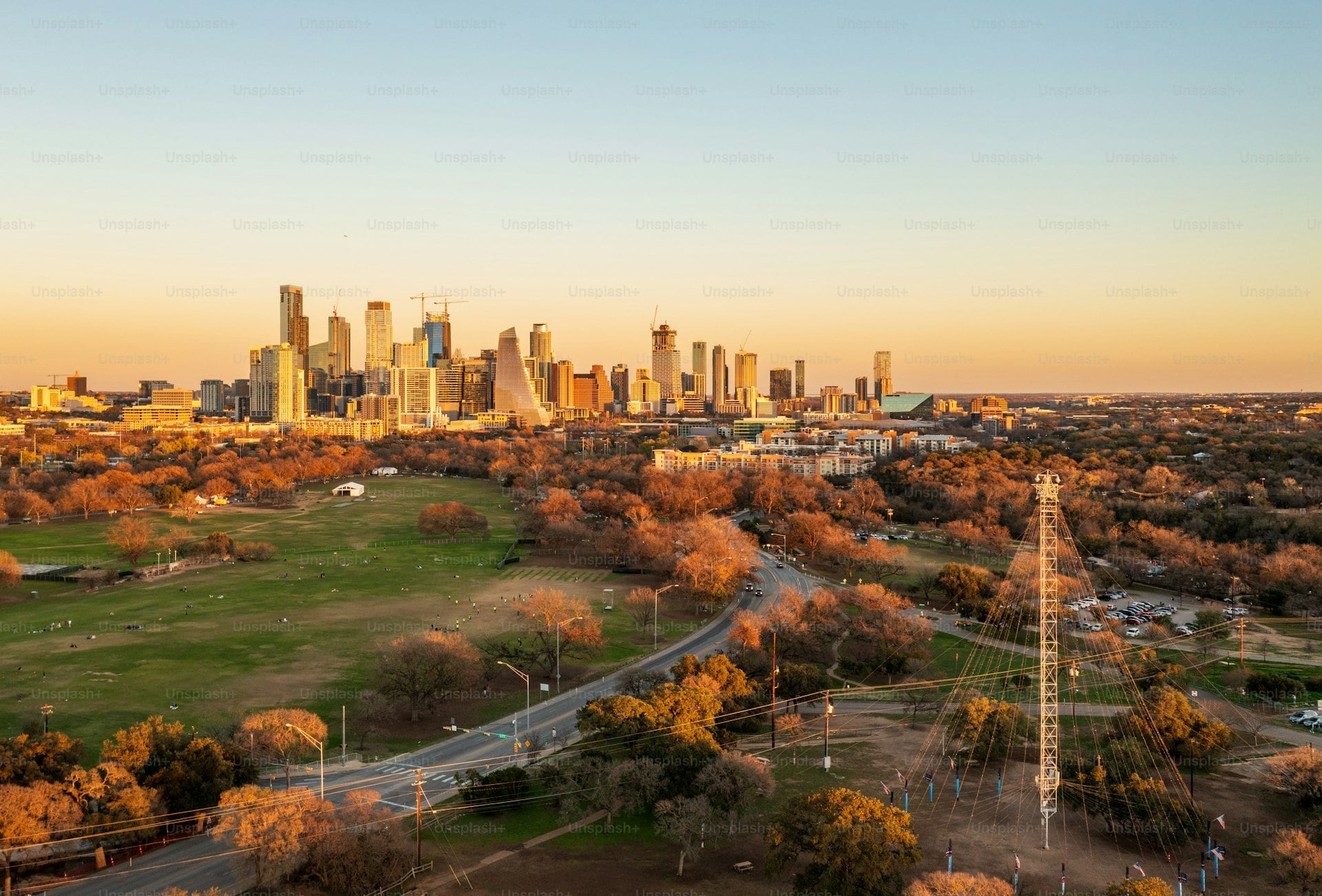
Roof Repair & Roofing Contractors in Austin, Texas
8+ licensed, insured roofers in Austin. Call to get matched.
Updated May 2026 · 8 local pros
(844) 578-3077Photo: Photo by Getty Images on Unsplash
Austin Weather and Your Roof
Austin's weather affects which materials last and when you should schedule your project.

Photo by Justin Wolff on Unsplash
Intense UV exposure with 300+ sunny days per year (well above 205 national average)
Brutal summer heat with 100°F+ temperatures for approximately 4 months
Humidity reaching 80% during the day promotes moss growth
Recommended Months
Avoid if Possible
- Light-colored and reflective roofs reduce attic temperatures by 20-30 degrees
- Metal roofs significantly reduce AC run-time during August heat
- Proper attic ventilation critical for energy efficiency
- Solar panel integration increasingly popular - coordinate with roof replacement
- Impact-resistant shingles may qualify for insurance premium discounts
The intense Central Texas heat means standard asphalt shingles rarely achieve their manufacturer-stated lifespans. Where a roof might last 30 years in a milder climate, Austin homeowners should realistically expect 18 to 22 years from quality architectural shingles. The UV bombardment strips protective granules from shingle surfaces, leaving the underlying asphalt vulnerable to further damage.
Beyond the heat, Austin sits in one of the nation's most active severe weather corridors. Texas leads all states in major hail events, with the Austin metro area and particularly the northern suburbs experiencing regular hailstorms each spring. These storms can devastate roofs within minutes, turning what appeared to be a healthy roof into an insurance claim. Wind events accompanying these supercell thunderstorms add another layer of stress, lifting shingle edges and creating entry points for water infiltration.
Humidity compounds these challenges. Austin's moisture levels can reach 80 percent during portions of the day, promoting moss and algae growth that can compromise roofing materials over time. Heavy rainfall events test drainage systems and reveal any weaknesses in flashing or sealant applications. This combination of extreme heat, intense sunlight, severe storms, and humidity creates an environment where only properly selected and installed roofing materials can provide lasting protection for Austin homes.
How Austin's Climate Affects Materials
asphalt
UV exposure causes premature aging; expect 18-22 year lifespan vs manufacturer's 30-year claims
metal
Excellent performance; reflects heat, lowers attic temps 20-30 degrees on hot days
tile
Thermal properties well-suited to hot weather; gaps promote natural airflow cooling
wood
Not recommended; fire risk and humidity damage concerns
Does Your Austin Roof Need Replacing?
Look for these red flags. They mean your roof may be past its prime.
- Ceiling stains or water spots indicating active leaks
- Attic moisture or condensation
- Daylight visible through roof boards in attic
- Musty odors suggesting mold growth
- Sagging ceiling areas
- Peeling paint near roofline from moisture
- Curling or buckling shingles from heat damage
- Missing granules (check gutters for accumulation)
- Frequent shingle loss after storms
- Cracked, split, or missing shingles
- Moss or algae growth from humidity
- Damaged or deteriorating flashing around chimneys/vents
- Visible hail dents on shingles or metal components
- Sagging roofline indicating structural issues
Replace vs. Repair: The 25% Rule
If repair costs exceed 30-40% of what a new roof would cost, replacement is typically the smarter financial decision. Also consider age: roofs approaching 15-20 years in Austin's harsh climate are often better replaced than repeatedly repaired.
What to Know About Roofing in Austin
Roof styles and common problems specific to Austin
Asphalt shingles are the most common roofing material, with growing popularity of metal roofing in contemporary and Hill Country homes. Clay and concrete tile found in Mediterranean/Spanish style homes concentrated around Lake Austin. Austin's diverse neighborhoods feature Queen Anne Victorian in Hyde Park, Craftsman in Central Austin, Bungalows in Bouldin Creek/South Austin, and contemporary throughout newer developments.
High priority due to extreme summer heat and high energy costs. Light-colored reflective roofing, proper attic ventilation and insulation, and solar panel integration are increasingly common. Texas ranks second nationally for solar installations.
Hail-resistant materials essential especially in north Austin and Williamson County corridors. Impact-resistant shingles and metal roofing popular for storm protection. Insurance typically required, and many homeowners keep documentation ready for claims.
- Premature shingle aging from intense UV exposure
- Hail damage requiring insurance claims
- Heat-related shingle warping and curling
- Moss growth from humidity
- Decking rot from past leaks or poor ventilation
- Improper installations from 1990s-2010s housing boom
- HOA restrictions limiting material and color choices
Roofing by Neighborhood
roofing contractors in Austin
Austin Roofing Company & Water Damage
Legends Roofing
Clear Choice Roofing
Acura Roofing
RoofCrafters
+ 3 more in Austin
Need a roofing contractor in Austin?
(844) 578-3077How to Pick a Roofer in Austin
What to look for when hiring a roofer, and what to avoid.
- Registered with City of Austin Build+Connect portal
- Carries general liability and workers' comp insurance
- GAF MasterElite, CertainTeed ShingleMaster, or similar manufacturer certifications
- RCAT (Roofing Contractors Association of Texas) voluntary certification
- Local business with established presence in Austin market
- Provides detailed written estimates including material specs and warranty terms
- Offers 5-10 year workmanship warranty minimum
- Responsive communication and clear explanations
- Handles permit process
- Positive reviews on Google, BBB, and neighborhood forums
- Requires full payment upfront
- Offers to 'eat your deductible' (potentially illegal in Texas)
- No local business address or out-of-area contractor
- Vague quotes missing material specifications
- No proof of insurance
- High-pressure sales tactics after storms
- Significantly lower bid than competitors
- No workmanship warranty
- Poor or no online reviews
Storm Chaser Warning: After major storms, out-of-town contractors often go door-to-door offering quick repairs. Be cautious — reputable local contractors build business through referrals, not high-pressure tactics. Always verify licensing and get multiple quotes.
Filing Insurance Claims in Austin
How to file a roof damage claim with your insurance company, step by step.
- Document damage immediately with dated photos after any hail or wind event
- Review policy to understand ACV vs RCV coverage and deductible structure
- Contact insurer before authorizing major work
- Have reputable roofer meet with adjuster on-site to identify all damage
- Keep all paperwork including contracts, invoices, and inspection reports
- Be aware many Texas policies have percentage deductibles
- 1Document damage with photos immediately after storm
- 2Contact insurance company to open claim
- 3Schedule professional roof inspection
- 4Get detailed damage report from roofing contractor
- 5Meet with insurance adjuster (have contractor present if possible)
- 6Review scope approval and authorized repairs
- 7Complete repairs with licensed contractor
- 8Submit completion documentation for final payment
Document Everything
Photos before & after
Call Within 48 Hours
Report damage promptly
Keep All Records
Save communications
Important: If storm damage covers 25% or more of your roof, insurance usually pays for a full replacement.
HOA Roofing Rules in Austin
Common in Austin suburbs like Pflugerville, Leander, Buda, and master-planned communities. Some historic districts also have restrictions.. Some neighborhoods have rules about roofing materials, colors, or contractors. Check before you start.
- Approved roof colors (often earth tones or neutral palettes)
- Material limitations (some HOAs prohibit metal roofing)
- Required profiles that match community aesthetic
- Historic districts may have specific color restrictions
Required Documents:
- Roofing material specifications
- Color samples
- Contractor information
Emergency Repairs: Most HOAs allow temporary emergency repairs without prior approval, but permanent work requires submission
- Check HOA rules before finalizing material selection
- Get written approval before contractor begins work
- Keep copies of all approvals for your records
- Some HOAs reject modern color schemes - verify allowed options early
Roofing Permits in Austin
Here's what you need to know about permits before your roofing project starts.
Permit Required
Yes
Processing Time
3-7 business days typical
Issuing Authority
City of Austin Development Services Department
- 1All roof repair or replacement projects require a roofing permit in Austin
- 2Contractor typically pulls the permit with the city
- 3Contractors must register through Austin's Build+Connect portal before beginning permitted work
- 4Additional permits may be needed for metal roofs or structural modifications
- 5Inspections verify decking, underlayment, ventilation, and nailing patterns meet code
- 6Unpermitted work can void insurance claims and manufacturer warranties
- 7Round Rock, Georgetown, Cedar Park have similar requirements; unincorporated areas may be less stringent
Official Resources
Pro Tip: Most reputable contractors handle the permit process for you as part of the project. Verify this is included in your contract before signing.
How Roof Replacement Works in Austin
Here's what happens step by step, from the first inspection to the final walkthrough.
Initial inspection and material selection
HOA approval if applicable (2-4 weeks)
Permit application through contractor
Material delivery and staging
Tear-off of existing roofing
Decking inspection and repairs if needed
Underlayment and flashing installation
Roofing material installation
Cleanup and final inspection
City inspection for permit closure
Pro Tip
Get everything in writing before work begins, including scope, materials, timeline, and warranty terms. A detailed contract protects both you and the contractor.
Service-specific roofing in Austin
Frequently Asked Questions
Answers to common roofing questions in Austin, Texas
Have a question? Give us a call.
Call (844) 578-3077More Cities in Texas
See roofing contractors in other TX cities
Still comparing roofers?
Talk to one before you decide. No obligation — the first call is fact-finding.
(844) 578-3077