
Roof Repair in Denver, Colorado
From a small leak to storm damage, licensed local roofers handle repair work — shingle replacement, flashing, ridge vent, pipe boot, and ice-dam remediation. Get matched fast with a roofer who knows your local climate and code.
(844) 578-3077 — Call to Get MatchedRoof Repair services in Denver
- Active leak diagnosis and repair
- Missing or damaged shingle replacement
- Storm and hail damage assessment + insurance claim support
- Flashing replacement (chimney, vent stack, skylight)
- Ridge vent, soffit, and ventilation repair
- Underlayment patching for limited moisture intrusion
Denver Weather and Your Roof
Denver's weather affects which materials last and when you should schedule your project.
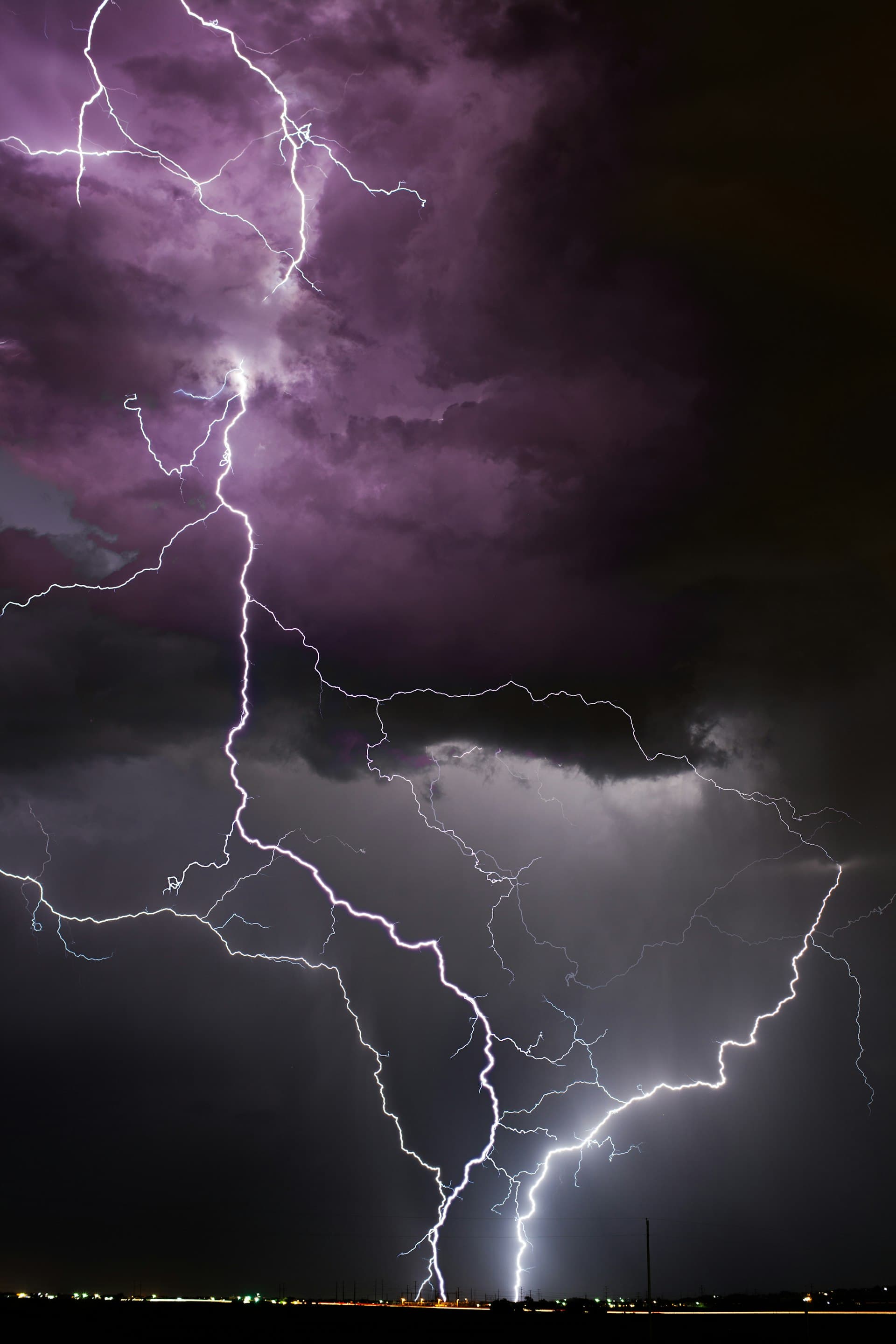
Photo by David Moum on Unsplash
Extreme temperature fluctuations - swings of 40-50 degrees common within a single day
Intense UV exposure at high altitude - 25% more intense than sea level, causes 50% faster material degradation
Frequent hailstorms - Colorado ranks top 5 nationally for hail damage claims; hailstones quarter-sized or larger common
Recommended Months
Avoid if Possible
- Reflective cool roofing reduces surface temperatures by 50-60 degrees F
- Metal and light-colored roofs reduce cooling costs up to 25%
- Proper attic ventilation critical to offset UV heat buildup
- ENERGY STAR certified products may qualify for utility rebates
- Solar-ready roofing increasingly popular in energy-conscious Denver market
Temperature volatility compounds these challenges dramatically. Denver routinely experiences temperature swings of 40 to 50 degrees within a single day, placing tremendous stress on roofing materials through constant expansion and contraction cycles. This thermal cycling loosens fasteners, separates roofing layers, and creates gaps where water can infiltrate. The freeze-thaw pattern during winter months is particularly destructive, as melting snow refreezes along roof edges to form ice dams that force water beneath shingles.
Colorado consistently ranks among the top five states for hail damage insurance claims, with Denver's Front Range corridor experiencing some of the most severe hailstorms in the nation. Hailstones the size of quarters or larger strike the metro area multiple times each year, typically between April and September. These storms can devastate unprepared roofs in minutes, puncturing shingles, cracking tiles, and denting metal. The combination of hail frequency and high-altitude UV exposure means Denver roofs work harder than those in almost any other major American city, making material selection and proper installation critically important for long-term performance.
How Denver's Climate Affects Materials
asphalt Shingles
Deteriorate faster due to UV; expansion/contraction causes cracking and nail loosening
metal Roofing
Excellent performance; reflects heat, sheds snow, resists hail impacts
clay Tile
Natural thermal mass beneficial but vulnerable to hail; requires impact-rated versions
wood Shake
Loses protective oils faster; only 20-year lifespan; requires regular maintenance against moisture and pests
slate
Outstanding longevity but requires structural reinforcement for weight plus snow load
When to call a Denver pro
- Visible water stains on ceilings or attic decking
- Shingles missing or scattered after a recent storm
- Daylight visible through the roof deck in the attic
- Sagging roofline or soft spots when walking the attic
roofing contractors in Denver
Core Roofing & Solar
A-Denver Roofing
Columbine Roofing & Solar
Horn Brothers Roofing
Ideal Roofing & Solar
+ 3 more in Denver
Need a roofing contractor in Denver?
(844) 578-3077Filing Insurance Claims in Denver
How to file a roof damage claim with your insurance company, step by step.
- Document damage immediately with photos and videos
- Do not make permanent repairs before insurance inspection
- Request your contractor attend the adjuster inspection
- Get a detailed supplement report for any missed damage
- Keep all receipts and correspondence
- Understand your policy's depreciation vs replacement cost coverage
- 1Contact insurance company to file claim
- 2Schedule inspection with licensed roofing contractor
- 3Contractor documents damage with photos and drone imagery
- 4Insurance adjuster inspects and provides initial estimate
- 5Contractor submits supplement for any missed items
- 6Once approved, schedule roof replacement
- 7Final payment after completion and city inspection
Document Everything
Photos before & after
Call Within 48 Hours
Report damage promptly
Keep All Records
Save communications
Important: If storm damage covers 25% or more of your roof, insurance usually pays for a full replacement.