2025 Storm Events in Denver

Recent severe weather that may have damaged roofs in your area

May 2025

Hailstorm

Hail: Quarter to golf ball sized

Affected Areas:

Aurora, Centennial, Parker, Southeast Denver Metro

Widespread roof damage; significant insurance claims filed

June 2025

Severe Thunderstorm with Hail

Hail: Up to 2 inches
Winds: 70+ mph

Affected Areas:

Denver, Lakewood, Wheat Ridge, Arvada

Roof and siding damage across western metro

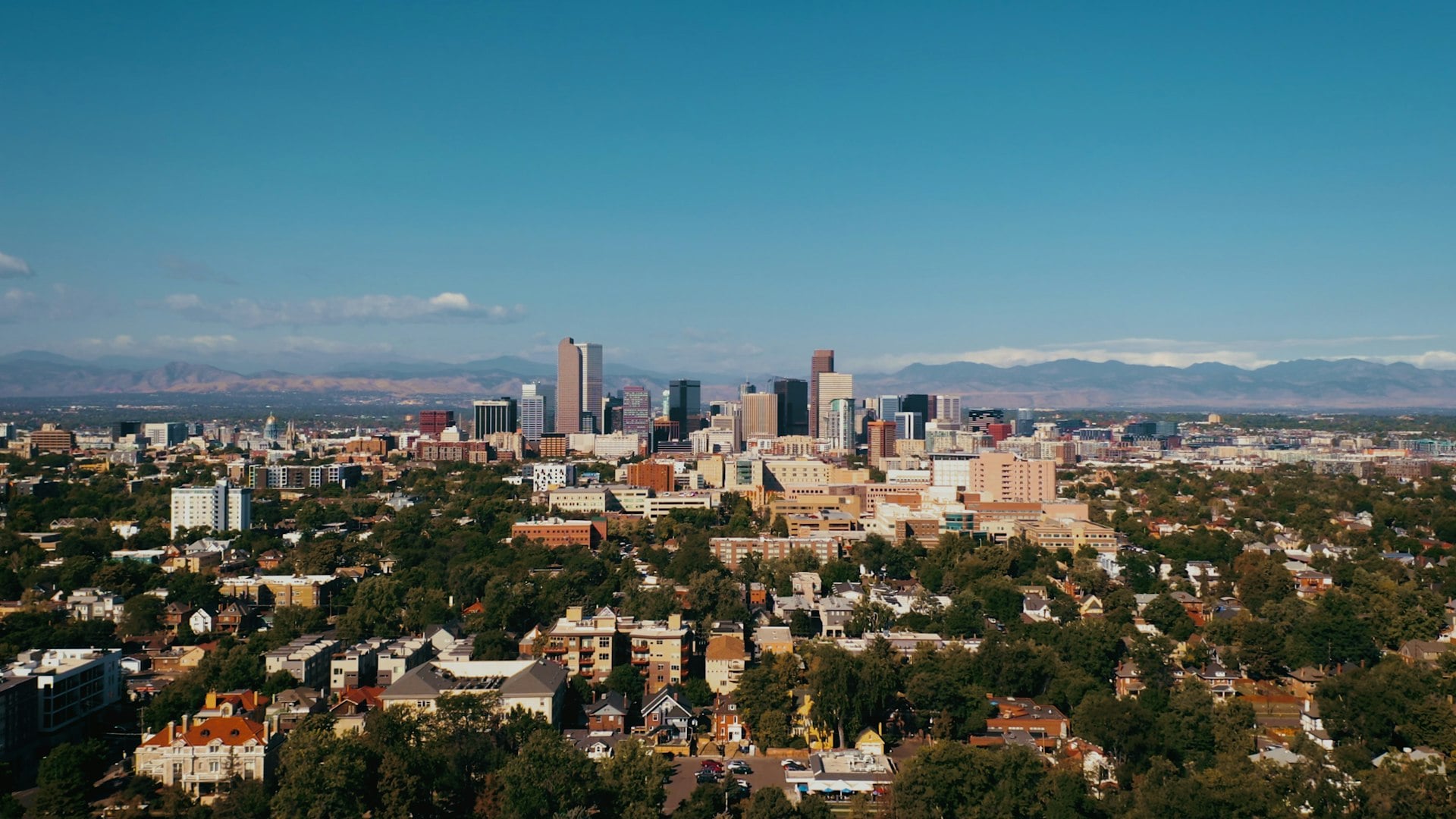
Downtown Denver skyline with Rocky Mountains in the background on a clear summer day
Denver, Colorado

Roof Replacement Cost in Denver

$10,000 - $22,000average in Denver

Get accurate 2025 pricing for roof replacement in Denver, Colorado. Compare costs by material, home size, and find trusted local contractors. Compare costs, find contractors, and get a free quote today.

Denver Quick Facts

Avg Cost
$10,000 - $22,000
Contractors
8+
Best Time
April, May
Population
716K

Prices updated December 2025

Photo: Photo by Bill Griepenstroh on Unsplash

Aerial view of Denver City Park with downtown skyline and Rocky Mountains

Photo by Cassie Gallegos on Unsplash

Roof Replacement Costs in Denver

Updated December 2025. Prices include materials, labor, permits, and cleanup. Actual costs vary based on roof complexity and condition.

Cost by Home Size
Typical roof replacement costs based on home square footage
Small Home
1,000-1,500 sq ft
$8,000 - $12,000
Medium Home
1,500-2,500 sq ft
$12,000 - $18,000
Large Home
2,500-3,500 sq ft
$18,000 - $28,000
Labor & Additional Costs
Breakdown of labor and other factors affecting price
Labor Cost$50 - $75

Per hour; labor typically accounts for 60% of total project cost. Skilled labor shortage keeps Denver rates higher than national average.

Additional Cost Factors

  • Roof pitch and steepness increases labor costs for safety equipment
  • Multi-story homes require additional setup and safety measures
  • Damaged decking replacement adds $2-$5 per square foot
  • Permits typically $100-$500 depending on project scope
  • Ice and water shield installation adds $1,500-$3,000
  • Skylight work or new penetrations require permits and add $400-$3,000
  • Class 4 shingle upgrades may provide insurance premium discounts of 10-20%

Want Your Exact Price?

Get a personalized quote for your Denver home in minutes — completely free.

Call (888) 292-4579 - Free Quote
Real Project Examples (2025)
$16,000
Standard asphalt shingle replacement on 2,000 sq ft home
Denver Metro2025
Includes removal of old roof, new underlayment, architectural shingles
$19,500
Class 4 impact-resistant shingle upgrade on 2,200 sq ft home
Highlands Ranch2025
Premium hail-resistant materials with ice and water shield
$28,000
Metal roof installation on 1,800 sq ft home
Aurora2025
Standing seam steel with 50-year warranty

Roofing Materials for Denver

Compare roofing materials suited for Colorado's climate. Prices include installation. Best materials for your area are highlighted.

asphalt Shingles
Standard architectural shingles; 3-tab no longer meets most building codes
$9,000 - $18,000
Lifespan: 20-30 years

Standard architectural shingles; 3-tab no longer meets most building codes

impact Resistant Shingles
Strongly recommended for Denver; may qualify for insurance discounts up to 20%
$12,000 - $22,000
Lifespan: 25-35 years

Strongly recommended for Denver; may qualify for insurance discounts up to 20%

metal Roofing
Excellent hail resistance, reflects heat, withstands winds up to 140 mph
$20,000 - $40,000
Lifespan: 40-70 years

Excellent hail resistance, reflects heat, withstands winds up to 140 mph

Clay Tile
Classic Mediterranean and Spanish style
$25,000 - $50,000
Lifespan: 50+ years
Pros:
  • Excellent durability
  • Fire resistant
  • Timeless aesthetic
Cons:
  • Heavy - may require structural support
  • Higher cost
Concrete Tile
Durable and versatile tile option
$15,000 - $30,000
Lifespan: 30-50 years
Pros:
  • Very durable
  • Fire resistant
  • Many style options
Cons:
  • Heavy weight
  • Can crack in freeze-thaw cycles
Recommended
Slate
Premium natural stone roofing
$30,000 - $60,000
Lifespan: 75-100+ years
Pros:
  • Exceptional longevity
  • Natural beauty
  • Fire resistant
Cons:
  • Very expensive
  • Requires specialized installation
synthetic Composite
Replicates slate or cedar appearance with Class 4 hail resistance and lower weight
$15,000 - $30,000
Lifespan: 30-50 years

Replicates slate or cedar appearance with Class 4 hail resistance and lower weight

flat Roof T P O
Common for commercial and modern flat-roof homes
$8,000 - $20,000
Lifespan: 20-30 years

Common for commercial and modern flat-roof homes

Best Materials for Denver's Climate

  • Class 4 impact-resistant asphalt shingles
  • Standing seam metal roofing
  • Stone-coated steel
  • Synthetic composite (slate/shake look)
  • Concrete tile (impact-rated)

Less Suitable for This Climate

  • Standard 3-tab asphalt shingles (no longer meets code)
  • Wood shakes without fire treatment
  • Non-impact-rated clay tile
  • Low-quality single-ply flat roofing

Climate Considerations in Denver

Understanding Denver's weather patterns helps you choose the right roofing materials and plan your project timing.

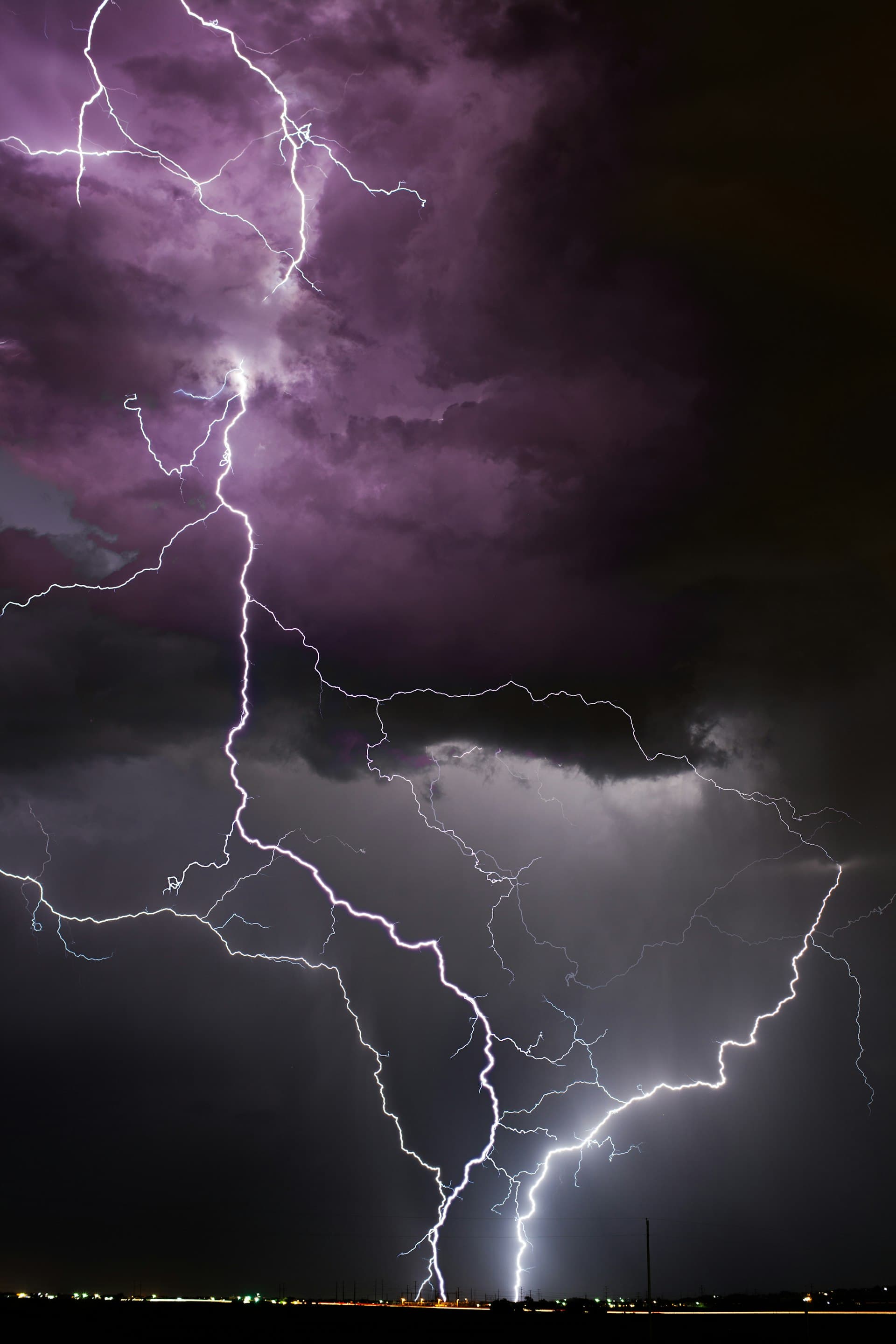
Dramatic lightning storm over Colorado Springs illustrating Front Range severe weather

Photo by David Moum on Unsplash

Climate Challenges
Weather factors that affect roofing in Denver
  • Extreme temperature fluctuations - swings of 40-50 degrees common within a single day
  • Intense UV exposure at high altitude - 25% more intense than sea level, causes 50% faster material degradation
  • Frequent hailstorms - Colorado ranks top 5 nationally for hail damage claims; hailstones quarter-sized or larger common
  • Heavy snowfall and ice dams from freeze-thaw cycles
  • High winds including Chinook winds exceeding 100 mph in foothills
  • Low humidity accelerates drying and cracking of organic materials
Best Time to Roof
Optimal months for roofing projects

Best Months

AprilMaySeptemberOctober

Avoid if Possible

DecemberJanuaryFebruaryJuly (monsoon storms)
Energy Considerations
How your roof affects energy costs
  • Reflective cool roofing reduces surface temperatures by 50-60 degrees F
  • Metal and light-colored roofs reduce cooling costs up to 25%
  • Proper attic ventilation critical to offset UV heat buildup
  • ENERGY STAR certified products may qualify for utility rebates
  • Solar-ready roofing increasingly popular in energy-conscious Denver market
Denver's unique position as the Mile High City creates roofing challenges found in few other American cities. At 5,280 feet elevation, roofs endure ultraviolet radiation that is 25% more intense than at sea level, causing materials to degrade up to 50% faster than in lower-elevation locations. This intense solar exposure breaks down the protective oils in asphalt shingles, causes wood to crack and dry out, and accelerates fading across all material types.

Temperature volatility compounds these challenges dramatically. Denver routinely experiences temperature swings of 40 to 50 degrees within a single day, placing tremendous stress on roofing materials through constant expansion and contraction cycles. This thermal cycling loosens fasteners, separates roofing layers, and creates gaps where water can infiltrate. The freeze-thaw pattern during winter months is particularly destructive, as melting snow refreezes along roof edges to form ice dams that force water beneath shingles.

Colorado consistently ranks among the top five states for hail damage insurance claims, with Denver's Front Range corridor experiencing some of the most severe hailstorms in the nation. Hailstones the size of quarters or larger strike the metro area multiple times each year, typically between April and September. These storms can devastate unprepared roofs in minutes, puncturing shingles, cracking tiles, and denting metal. The combination of hail frequency and high-altitude UV exposure means Denver roofs work harder than those in almost any other major American city, making material selection and proper installation critically important for long-term performance.

How Denver's Climate Affects Materials

asphalt Shingles

Deteriorate faster due to UV; expansion/contraction causes cracking and nail loosening

metal Roofing

Excellent performance; reflects heat, sheds snow, resists hail impacts

clay Tile

Natural thermal mass beneficial but vulnerable to hail; requires impact-rated versions

wood Shake

Loses protective oils faster; only 20-year lifespan; requires regular maintenance against moisture and pests

slate

Outstanding longevity but requires structural reinforcement for weight plus snow load

Understanding roof replacement costs in Denver helps homeowners budget effectively for one of their largest home improvement investments. In 2025, Denver homeowners can expect to pay between $10,000 and $22,000 for a complete roof replacement, with the average project falling between $14,000 and $18,000 for a standard 2,000 square foot home with architectural asphalt shingles. These figures reflect Denver's higher-than-average labor costs due to skilled trade shortages and the specialized materials needed to withstand Colorado's demanding climate.

The price you pay depends heavily on material selection, roof complexity, and whether you upgrade to impact-resistant options that provide long-term value through extended lifespan and potential insurance savings. Denver's position as a hail-prone market means many homeowners find that investing in premium Class 4 shingles, while adding $2,000 to $4,000 to initial costs, pays dividends through reduced storm damage claims and insurance premium discounts of 10 to 20 percent annually.
Material costs form the foundation of your roofing budget, with standard architectural asphalt shingles running $4 to $7 per square foot installed. Upgrading to Class 4 impact-resistant shingles increases this to $4.50 to $8 per square foot but extends lifespan from 25 to 35 years while providing crucial hail protection. Metal roofing commands premium pricing at $8 to $16 per square foot but delivers 40 to 70-year performance that eliminates multiple replacement cycles.

Labor typically accounts for 60% of total project cost in Denver, with skilled roofing crews charging $50 to $75 per hour. Steep roof pitches, multi-story homes, and complex designs with dormers, skylights, or multiple roof planes increase labor requirements significantly. Additional cost factors include damaged decking replacement at $2 to $5 per square foot, ice and water shield installation adding $1,500 to $3,000, and permit fees ranging from $100 to $500.

Real project examples from the Denver metro in 2025 illustrate typical costs: a standard architectural shingle replacement on a 2,000 square foot home runs approximately $16,000; a Class 4 impact-resistant upgrade on a 2,200 square foot Highlands Ranch home costs around $19,500; and a standing seam metal roof installation on an 1,800 square foot property averages $28,000. For insurance-covered storm damage, your out-of-pocket expense is typically limited to your deductible of $1,000 to $2,500, making professional damage documentation critical to maximizing claim value.

Roofing Materials for Denver

Selecting the right roofing material for Denver requires balancing durability against the city's unique climate threats. Class 4 impact-resistant asphalt shingles have become the gold standard for Denver homeowners, engineered with modified polymers that withstand 2-inch hail impacts without cracking. These shingles cost $4.50 to $8 per square foot installed and last 25 to 35 years while often qualifying for insurance premium discounts of 10 to 20 percent. Standard architectural shingles remain available at $4 to $7 per square foot, but their 20 to 30-year lifespan is often shortened by Denver's intense conditions.

Metal roofing represents the premium durability choice, with standing seam steel systems lasting 40 to 70 years while providing exceptional hail resistance, wind ratings up to 140 mph, and superior snow shedding that prevents ice dam formation. At $8 to $16 per square foot, metal costs significantly more upfront but eliminates multiple replacement cycles over a home's lifetime. Metal's reflective properties also reduce cooling costs by up to 25 percent during Denver's intense summer sun.

Concrete and clay tiles offer 30 to 50-plus year lifespans with natural thermal mass that helps regulate indoor temperatures during dramatic daily temperature swings. However, tile requires structural reinforcement due to weight and must be impact-rated for hail-prone areas, pushing installed costs to $10 to $20 per square foot. Synthetic composite materials have emerged as a compelling middle ground, replicating the appearance of slate or cedar shake at $6 to $12 per square foot while providing Class 4 hail resistance and 30 to 50-year durability. For Denver's climate, the worst choices include standard 3-tab shingles, which no longer meet building codes, and untreated wood shakes that deteriorate rapidly in low humidity and intense UV conditions.

Roofing Permits in Denver

Denver requires building permits for most roofing projects through the Community Planning and Development department. A permit is mandatory when repair work exceeds 10% of total roof square footage or 200 square feet, whichever is smaller. All complete roof replacements, new penetrations such as skylights or solar panels, and any structural modifications require permits regardless of size.

The city offers a Quick Permits program for standard residential reroofs, with typical turnaround of 24 to 72 hours when submitted correctly by a licensed contractor. Permit fees range from $100 to $500 depending on project scope and valuation. Inspections are required at mid-project to verify ice shields and underlayment installation, and again upon completion to ensure code compliance. Denver's building codes were updated in 2024, with new I-Codes expected mid-2025, so working with a knowledgeable local contractor ensures compliance with current requirements. Performing work without required permits can trigger fines, stop-work orders, and insurance claim denials.

Choosing a roofing contractor in Denver

Choosing the right roofing contractor in Denver requires careful vetting, particularly given the prevalence of out-of-state storm chasers who follow hail events. Start by verifying Colorado licensing and insurance, and confirm the contractor has a physical local presence in the Denver metro area. Companies like Core Roofing and Solar, Horn Brothers Roofing, and Columbine Roofing have established decades of local experience and carry manufacturer certifications from Owens Corning, GAF, and CertainTeed that back their workmanship with industry-leading warranties.

Request detailed written estimates that specify material brands, warranty terms, and project timelines. Legitimate contractors will provide references, carry active BBB accreditation, and never offer to waive your insurance deductible, which is illegal in Colorado. Experience with Class 4 impact-resistant shingle installation is essential given Denver's hail exposure, and contractors should be prepared to document storm damage thoroughly and submit supplement reports to ensure insurance claims capture all necessary repairs.

Be wary of door-to-door solicitors appearing immediately after storms, contractors requesting large upfront payments, or bids significantly below other estimates. Quality contractors like Elite Roofing and Solar and Ideal Roofing and Solar handle the entire process from HOA approval through permitting, installation, and final inspection, providing homeowners peace of mind throughout what can otherwise be a stressful project.

Local Insights

Denver's diverse neighborhoods each present distinct roofing considerations that savvy homeowners should understand before starting a project. In Highlands Ranch, one of the largest master-planned communities in the country, newer construction means most homes feature architectural shingles that are now reaching their first replacement cycle. The strong HOA presence here requires careful attention to approved color palettes and material specifications, with earth tones and weathered wood colors dominating the approved lists. Contractors familiar with Douglas County HOA requirements can streamline the approval process significantly.

Washington Park presents a different challenge entirely, where historic bungalows and early twentieth-century homes often require character-sensitive roofing approaches. Mixed materials are common here, and homeowners frequently face decisions about whether to maintain original slate or tile roofing versus upgrading to modern impact-resistant alternatives that better handle Colorado's hail. Cherry Creek homeowners typically invest in premium materials befitting the upscale neighborhood, with slate, tile, and designer shingles appearing throughout the area.

In Aurora, the diverse housing stock ranges from 1970s ranch homes to modern developments, with hail damage claims particularly frequent due to the area's eastern exposure to Front Range storms. Value-oriented replacements with Class 4 shingles provide the best balance of cost and protection here. Lakewood's western position brings increased wind exposure from Chinook events, driving growing interest in metal roofing that handles both wind and hail. Meanwhile, Boulder's environmentally conscious homeowners prioritize solar integration and sustainable materials, often willing to invest in premium options that align with the city's green building initiatives.
Getting accurate pricing requires multiple detailed estimates from licensed Denver contractors who understand local material requirements and building codes. Focus on total value rather than lowest price alone, as premium materials and experienced installation translate to longer roof life and fewer repair costs. Most reputable contractors offer free inspections and estimates, allowing you to compare options and understand exactly what you are paying for. With Denver's challenging climate, investing in quality materials and professional installation protects both your home and your budget for decades to come.

Top Roofing Contractors in Denver

Verified local contractors serving Denver, Colorado. All contractors are licensed and insured for roofing work in your area.

Core Roofing & Solar
4.9(250 reviews)
Licensed15+ yearsCertified

Specialties

Residential RoofingCommercial RoofingSolar InstallationInsurance Claims

Certifications

  • BBB A+ Rating
  • Angi Certified
  • Guild Quality

Locally owned, handles insurance claims and solar integration

A-Denver Roofing
4.9(120 reviews)
Licensed20+ yearsCertified

Specialties

Residential RoofingCommercial RoofingMulti-Family

Certifications

  • BBB A+ Rating

20+ years serving Denver with A+ BBB rating

Columbine Roofing & Solar
4.9(160 reviews)
LicensedCertified

Specialties

ResidentialCommercialSolarEmergency RoofingStorm Damage

Certifications

  • Owens Corning Platinum Preferred

Owens Corning Platinum Preferred with industry-leading warranty

Horn Brothers Roofing
4.8(180 reviews)
Licensed25+ yearsCertified

Specialties

Residential RoofingCommercial RoofingInsurance ClaimsFree Inspections

Certifications

  • BBB Accredited

Over 25 years experience with thousands of satisfied customers

Ideal Roofing & Solar
4.8(150 reviews)
Licensed

Specialties

Roof ReplacementClass 4 ShinglesInsurance CoordinationSolar Installation

Specializes in impact-resistant shingles and insurance supplement reports

North-West Roofing
4.8(175 reviews)
Licensed50+ years

Specialties

ResidentialCommercialFoam CoatingsStorm DamageSolar

Locally owned for over 50 years, offers foam and coating applications

Elite Roofing & Solar
4.7(200 reviews)
Licensed18+ yearsCertified

Specialties

Storm DamageInsurance ClaimsResidential RoofingCommercial CoatingsSolar

Certifications

  • BBB A+ Rating

Founded in 2006, specializes in storm damage and commercial roof coatings

Sol Vista Roofing
4.7(130 reviews)
Licensed

Specialties

Residential RoofingCommercial Flat RoofingInspectionsRepairs

Transparent communication and fair pricing with advanced technology

Ready to Get Started?

Get matched with a licensed roofing contractor in Denver — free estimates, no obligation.

Call (888) 292-4579 - Free Quote

Complete Denver Roof Replacement Guide

Everything you need to know about roof replacement in Denver. Expand any section for details.

Interior Signs

  • Water stains on ceilings or walls
  • Peeling paint near rooflines
  • Daylight visible through roof boards in attic
  • Musty odors indicating mold or moisture
  • Sagging ceiling areas
  • Higher than normal energy bills (poor insulation)

Exterior Signs

  • Missing, cracked, or curling shingles
  • Granule accumulation in gutters
  • Sagging or uneven roof deck
  • Damaged or corroded flashing around penetrations
  • Moss, algae, or vegetation growth
  • Visible rust on metal components
  • Cracked or deteriorated rubber boots around pipes

25% Rule: If repairs cost more than 30% of full replacement cost, or if roof is over 20 years old with multiple issues, replacement is typically more cost-effective. Insurance claims after major storm damage often favor full replacement.

Denver at a Glance

Local neighborhoods, climate conditions, and landmarks that influence roofing decisions

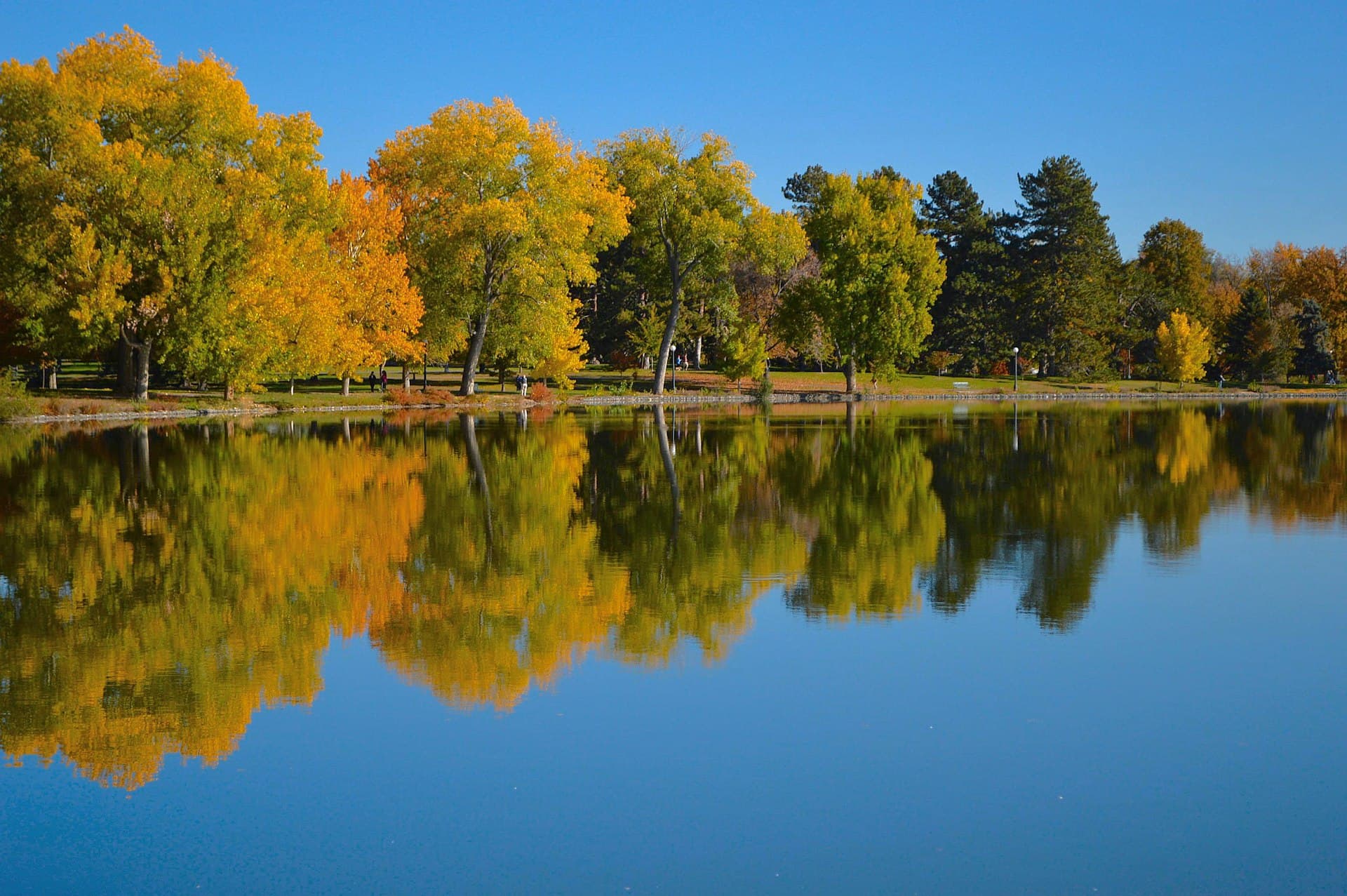
Washington Park lake in Denver with autumn trees reflected in the water

Washington Park

Washington Park lake in Denver with autumn trees reflected in the water

Photo by Jeff Bernard on Unsplash

Colorado State Capitol building with golden dome in winter snow

Local Landmark

Colorado State Capitol building with golden dome in winter snow

Photo by Hunter Starritt on Unsplash

Aerial view of Denver City Park with downtown skyline and Rocky Mountains

Residential Area

Aerial view of Denver City Park with downtown skyline and Rocky Mountains

Photo by Cassie Gallegos on Unsplash

Dramatic lightning storm over Colorado Springs illustrating Front Range severe weather

Local Climate

Dramatic lightning storm over Colorado Springs illustrating Front Range severe weather

Photo by David Moum on Unsplash

Suburban homes near Denver Colorado with typical residential roofing

Suburban Denver

Suburban homes near Denver Colorado with typical residential roofing

Photo by Lalada on Pexels

Frequently Asked Questions

Common questions about roof replacement in Denver, Colorado

Still have questions? Speak with a local expert.

Call (888) 292-4579
Get Your Free Roofing Estimate
Fill out the form below and we'll connect you with trusted local contractors in Denver, Colorado.

By submitting this form, you authorize Local Roof Cost and our network of partner contractors to contact you via phone, email, or SMS regarding your roofing project. You understand that these calls or messages may be made using automated technology and that your consent is not a condition of purchase. Standard message and data rates may apply. You may opt out at any time by replying STOP or contacting us directly.

Ready to Get Your Roof Replaced?

Connect with trusted roofing contractors in Denver, Colorado today. Get free estimates from licensed, insured professionals.

Free estimates in 24 hours
Licensed & insured contractors
Top-rated local companies

Contractors available now

Call (888) 292-4579 - Free Quote