2025 Storm Events in Chicago

Recent severe weather that may have damaged roofs in your area

August 16, 2025

Hail Storm

Hail: Up to 1.5 inches (ping-pong ball)
Winds: Up to 63 mph

Affected Areas:

Palatine, Rolling Meadows, Arlington Heights, Mount Prospect, Des Plaines, Cary, Port Barrington, Woodstock, Schaumburg, Lake in the Hills, Algonquin

Widespread roof and siding damage; many full roof replacements approved by insurance; Cary declared State of Emergency

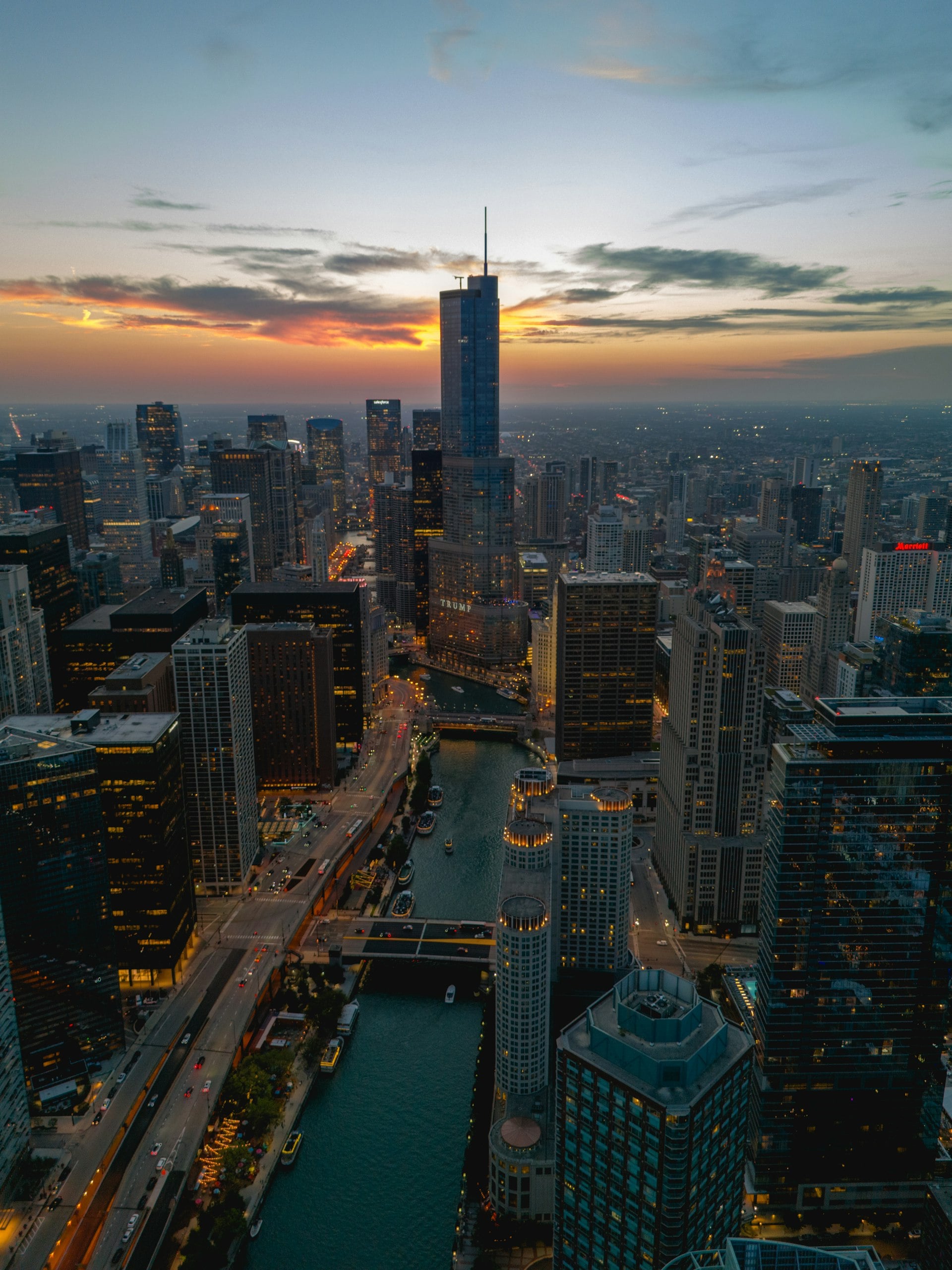
Aerial view of Chicago skyline at sunset with Chicago River and downtown skyscrapers
Chicago, Illinois

Roof Replacement Cost in Chicago

$6,000 - $40,000average in Chicago

Get accurate 2025 pricing for roof replacement in Chicago, Illinois. Compare costs by material, home size, and find trusted local contractors. Compare costs, find contractors, and get a free quote today.

Chicago Quick Facts

Avg Cost
$6,000 - $40,000
Contractors
8+
Best Time
May, June
Population
2.7M

Prices updated December 2025

Photo: Photo by Willian Justen de Vasconcellos on Unsplash

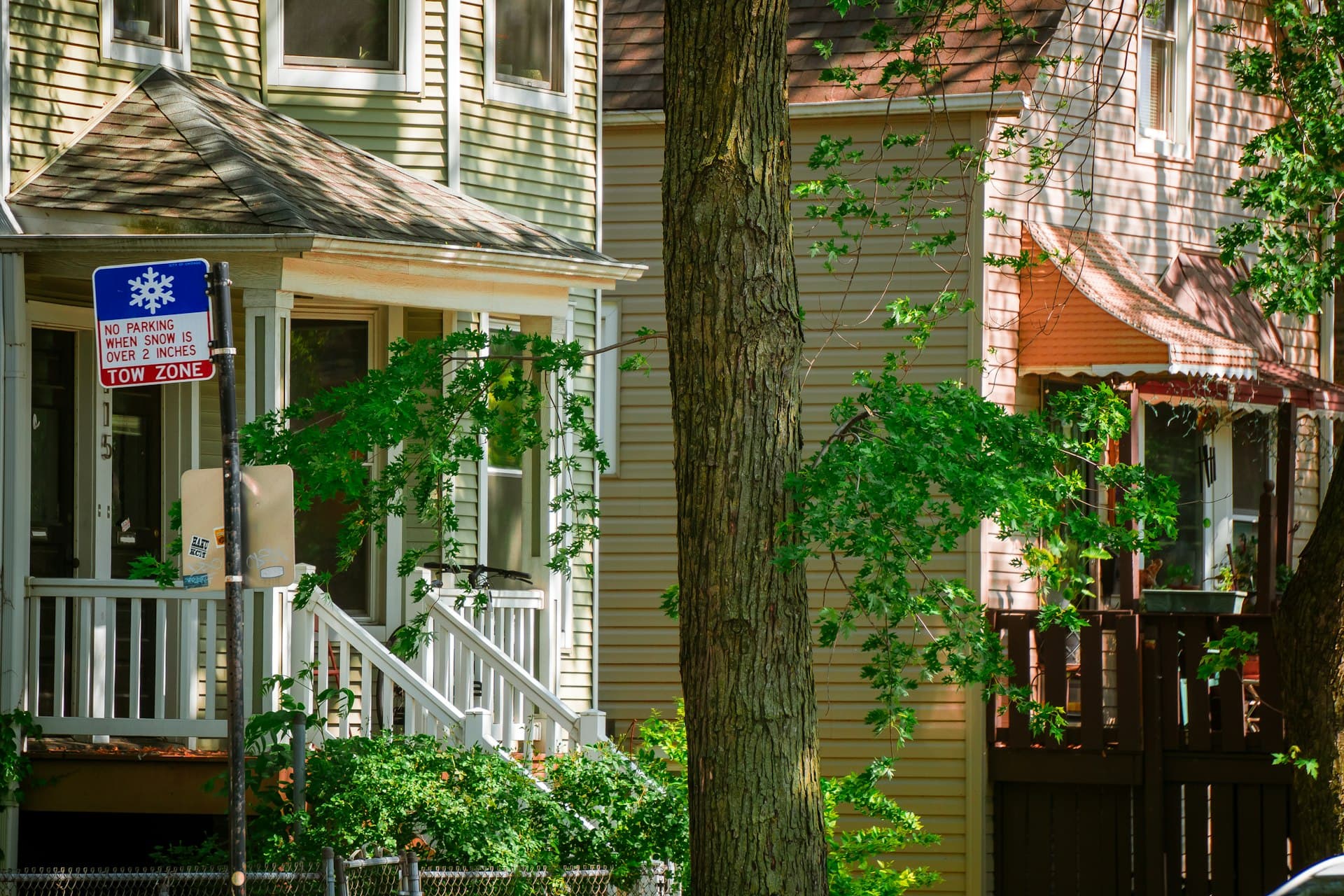
Logan Square Chicago street scene showing historic brick buildings and architecture at dusk

Photo by Joss Broward on Unsplash

Roof Replacement Costs in Chicago

Updated December 2025. Prices include materials, labor, permits, and cleanup. Actual costs vary based on roof complexity and condition.

Cost by Home Size
Typical roof replacement costs based on home square footage
Small Home
1,000 sq ft sq ft
$3,000 - $20,000
Medium Home
2,000 sq ft sq ft
$6,000 - $40,000
Large Home
3,000 sq ft sq ft
$9,000 - $60,000
Labor & Additional Costs
Breakdown of labor and other factors affecting price
Labor Cost$3,600 - $24,000

Labor typically 60% of total cost; remaining 40% covers materials, permits, overhead

Additional Cost Factors

  • Roof complexity (gable vs. hip vs. complex hip and valley)
  • Tear-off and disposal: $1.00-$2.00 per sq ft
  • Decking repair: $300-$1,200 depending on damage
  • Permit fees: $250-$400 for residential
  • Ice and water shield: $200-$500 (critical for Chicago winters)
  • Ventilation upgrades: $300-$800
  • Gutter replacement: $600-$1,200
  • Fascia and soffit repairs: $400-$900
  • Geographic location within Chicago metro affects pricing

Want Your Exact Price?

Get a personalized quote for your Chicago home in minutes — completely free.

Call (888) 292-4579 - Free Quote
Real Project Examples (2025)
$12,000
2,000 sq ft asphalt shingle replacement
Chicago bungalow2025
Architectural shingles on typical Chicago brick bungalow
$15,000
Hail damage roof replacement
Palatine (Northwest suburb)August 2025
Full replacement covered by insurance after August 16, 2025 hail storm
$35,000
Premium metal roofing installation
Evanston2025
Standing seam metal roof on 2,500 sq ft home

Roofing Materials for Chicago

Compare roofing materials suited for Illinois's climate. Prices include installation. Best materials for your area are highlighted.

asphalt Shingles3 Tab
Most affordable option; suitable for budget-conscious homeowners
$3,500 - $5,500
Lifespan: 15-25 years

Most affordable option; suitable for budget-conscious homeowners

architectural Shingles
Enhanced durability and aesthetic appeal; 110 mph wind warranties available
$4,000 - $6,000
Lifespan: 20-30 years

Enhanced durability and aesthetic appeal; 110 mph wind warranties available

metal Roofing
Best for Chicago climate - reflects 70% solar energy, prevents ice dams
$9,000 - $18,000
Lifespan: 40-70 years

Best for Chicago climate - reflects 70% solar energy, prevents ice dams

slate Roofing
Premium option; requires structural reinforcement due to weight (800-1500 lbs per square)
$12,000 - $28,000
Lifespan: 75-200 years

Premium option; requires structural reinforcement due to weight (800-1500 lbs per square)

composite Tile
Mimics slate or wood shakes with less maintenance
$7,000 - $20,000
Lifespan: 30-50 years

Mimics slate or wood shakes with less maintenance

tpo Flat Roof
Commercial and flat roof option; excellent UV resistance
$6,000 - $10,000
Lifespan: 15-30 years

Commercial and flat roof option; excellent UV resistance

modified Bitumen
Budget-friendly flat roof option for commercial and two-flats
$6,000 - $9,000
Lifespan: 15-30 years

Budget-friendly flat roof option for commercial and two-flats

Best Materials for Chicago's Climate

  • Standing seam metal roofing (best overall for Chicago)
  • Stone-coated steel (withstands 3-4 inch hailstones)
  • Class 4 impact-resistant asphalt shingles (qualify for 35% insurance discounts)
  • Architectural shingles with SBS-modified asphalt

Less Suitable for This Climate

  • Standard 3-tab asphalt shingles (15-18 year lifespan in northern Illinois)
  • Wood shakes (require extensive maintenance; moisture/ice issues)
  • Untreated basic asphalt (vulnerable to hail and temperature cycling)

Climate Considerations in Chicago

Understanding Chicago's weather patterns helps you choose the right roofing materials and plan your project timing.

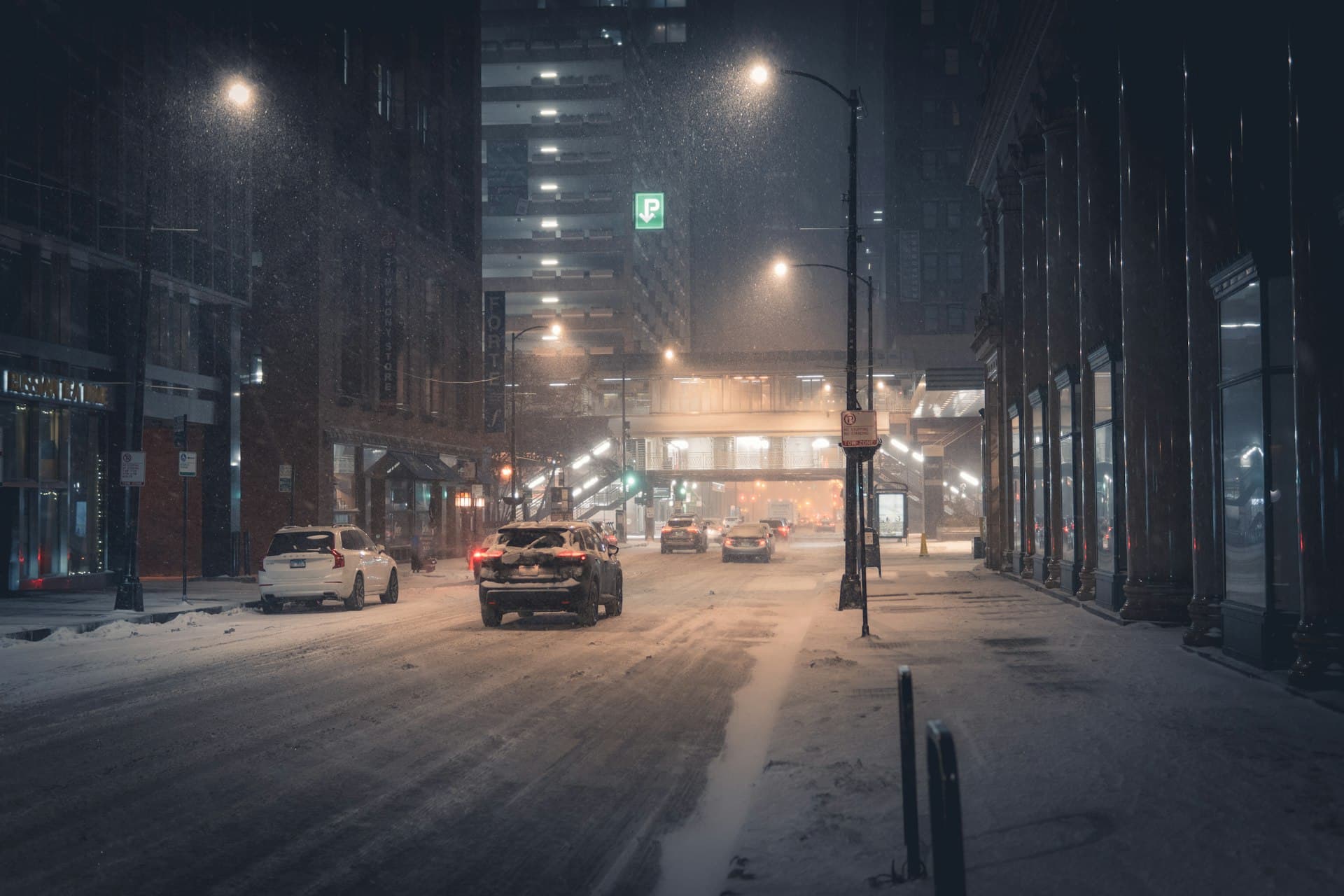
Chicago street during winter snowstorm with L train tracks and snowy conditions

Photo by Tobias Reich on Unsplash

Climate Challenges
Weather factors that affect roofing in Chicago
  • Extreme temperature swings from -10F to 95F (historical extremes: -36F to 117F)
  • Illinois ranks 4th nationally for hail damage insurance claims
  • Heavy snowfall averaging 38+ inches annually in Chicago
  • Severe freeze-thaw cycles that reduce roof lifespan 20-30% vs. milder climates
  • High winds - Chicago averages 60 mph gusts; tornado risk in 'shifting Tornado Alley'
  • Humidity averaging 71% year-round promotes moss and algae growth
  • Ice dam formation during winter months
  • 32-48 inches annual precipitation with 40% increase in extreme rainfall events since 1900
Best Time to Roof
Optimal months for roofing projects

Best Months

MayJuneJulyAugustSeptember

Avoid if Possible

NovemberDecemberJanuaryFebruaryMarch
Energy Considerations
How your roof affects energy costs
  • Metal roofing reflects 70% solar energy, reducing attic temps 10-12F
  • Cooling cost reduction of 10-25% with reflective roofing
  • Proper attic insulation R-38 minimum per Illinois Energy Conservation Code (effective Jan 2025)
  • Ventilation critical - 1 sq ft per 150 sq ft attic area to prevent ice dams
  • Federal tax credits up to $1,200 for ENERGY STAR qualified cool roofing materials
Chicago's climate presents some of the most demanding conditions for residential roofing in the United States. The city experiences dramatic temperature swings, from bitter winter lows of negative ten degrees Fahrenheit to summer highs approaching one hundred degrees, with historical extremes ranging from negative thirty-six to one hundred seventeen degrees. This constant thermal cycling creates expansion and contraction stress that accelerates material deterioration, reducing roof lifespans by twenty to thirty percent compared to homes in milder climates.

The Windy City earns its nickname with wind gusts regularly reaching sixty miles per hour, while its position in the shifting Tornado Alley brings additional severe weather risk. Chicago receives an average of thirty-eight inches of snow annually, creating heavy loads that strain roofing structures and contribute to the formation of ice dams along roof edges. When melting snow refreezes at the eaves, water backs up under shingles and can cause significant interior damage.

Perhaps most concerning for homeowners is that Illinois ranks fourth nationally for hail damage insurance claims. The August 2025 hail storms that swept through the northwest suburbs delivered hailstones up to one and a half inches in diameter, causing widespread roof damage across communities from Palatine to Woodstock. This frequency of severe weather events makes material selection critical for Chicago homeowners.

Humidity averaging seventy-one percent year-round promotes moss and algae growth on roof surfaces, while the region receives thirty-two to forty-eight inches of precipitation annually. The combination of freeze-thaw cycles, heavy precipitation, hail frequency, and temperature extremes means Chicago roofs work harder than most. Proper material selection and installation timing can mean the difference between a roof lasting fifteen years or four decades.

How Chicago's Climate Affects Materials

asphalt Shingles

Become brittle below 40F; vulnerable to cracking in cold weather; granule loss from hail

metal Roofing

Excellent performance - handles temperature swings, sheds snow, prevents ice dams

slate

Very durable but requires structural support; excellent for long-term investment

composite Tile

Good durability; polymer materials remain flexible in cold weather

Understanding roof replacement costs in Chicago helps homeowners budget effectively for one of their home's most critical investments. In 2025, Chicago homeowners can expect to pay between six thousand and forty thousand dollars for a complete roof replacement, with the average project coming in around twenty-three thousand dollars. These figures vary significantly based on your home's size, the materials you choose, and the complexity of your roof structure.

Chicago's housing stock presents unique pricing considerations. Classic brick bungalows with their distinctive low-pitched hipped roofs may cost less per square foot than complex Victorian-era homes with multiple valleys and dormers. Two-flats and greystones with flat roofs require commercial-grade materials like TPO or modified bitumen, which carry different pricing structures than residential asphalt or metal options.

Geographic location within the metro area also affects pricing. Roof replacement in Evanston typically costs more than comparable work in New Lenox, reflecting differences in contractor availability, labor rates, and material transportation costs. Understanding these factors helps you evaluate quotes accurately and budget appropriately for your specific situation.
Breaking down Chicago roof replacement costs by material reveals significant variation in both upfront investment and long-term value. Asphalt shingles represent the most affordable option at three dollars fifty cents to six dollars per square foot installed, translating to four thousand to eight thousand dollars for a typical one thousand square foot roof section. Architectural shingles cost slightly more at four to six dollars per square foot but offer enhanced durability and wind resistance of up to one hundred ten miles per hour.

Metal roofing commands higher prices at seven to fourteen dollars per square foot for steel options, pushing total project costs to nine thousand to eighteen thousand dollars per one thousand square feet. However, the forty to seventy year lifespan means lower annual costs over time. Stone-coated steel products from manufacturers like DECRA and Boral fall in the fourteen to twenty-four dollar range but add approximately six percent to property values with sixty to seventy percent cost recovery at resale.

Labor typically accounts for sixty percent of total project costs in Chicago, with the remaining forty percent covering materials, permits, disposal, and overhead. Additional expenses frequently surprise homeowners: tear-off and disposal runs one to two dollars per square foot, decking repairs add three hundred to twelve hundred dollars, and permit fees cost two hundred fifty to four hundred dollars. Ice and water shield installation, critical for preventing ice dam damage, adds two hundred to five hundred dollars but prevents far more expensive interior repairs.

Real project examples from 2025 illustrate typical costs. A standard asphalt shingle replacement on a two thousand square foot Chicago bungalow averaged twelve thousand dollars with architectural shingles. Following the August 2025 hail storms, homeowners in Palatine saw full roof replacements averaging fifteen thousand dollars, often covered entirely by insurance. Premium metal roofing installations in Evanston reached thirty-five thousand dollars for twenty-five hundred square foot homes.

Roofing Materials for Chicago

When selecting roofing materials for Chicago homes, durability and weather resistance must take priority over aesthetics alone. Metal roofing stands out as the premium choice for the Chicago climate, delivering forty to seventy year lifespans while handling temperature extremes, shedding snow naturally, and preventing ice dam formation. Standing seam metal reflects seventy percent of solar energy, reducing attic temperatures by ten to twelve degrees and cutting cooling costs by ten to twenty-five percent during hot summers.

Asphalt shingles remain the most popular choice due to their affordability, with costs ranging from three dollars fifty cents to six dollars per square foot installed. However, not all asphalt performs equally in Chicago conditions. Standard three-tab shingles become brittle below forty degrees Fahrenheit and typically last only fifteen to eighteen years in northern Illinois. Architectural shingles with SBS-modified asphalt offer better performance with twenty-two to twenty-five year lifespans and enhanced wind resistance.

For homeowners concerned about hail damage, Class 4 impact-resistant shingles represent the optimal asphalt choice. These premium products use polymer-based mesh backing and can withstand two-inch steel balls dropped from twenty feet without cracking. Given Illinois's ranking as fourth nationally for hail damage claims, the insurance discounts of up to thirty-five percent available for Class 4 materials often offset their higher initial cost.

Slate roofing offers unmatched longevity of seventy-five to one hundred fifty years but requires substantial structural support due to weight ranging from eight hundred to fifteen hundred pounds per square. Composite tile provides a middle-ground option at seven to twenty dollars per square foot, mimicking premium materials while maintaining flexibility in cold weather. For flat roofs common on Chicago's two-flats and commercial buildings, TPO and modified bitumen systems offer reliable waterproofing with fifteen to thirty year lifespans.

Roofing Permits in Chicago

Chicago requires building permits for all roof replacement projects, with residential permits typically costing two hundred fifty to four hundred dollars. The City's Express Permit Program streamlines the process for standard re-roofing work including repair, recovery, and full replacement. Homeowners should note that roof repairs are limited to twenty-five percent of the existing roof surface area; exceeding this threshold requires a full replacement permit.

As of January 2025, Illinois law requires roofing contractors to hold a valid state roofing contractor license, not merely a general contractor license. Contractors must carry minimum two hundred fifty thousand dollars in property damage coverage and five hundred thousand dollars in liability insurance, plus workers' compensation coverage. Your contractor should handle all permit applications and coordinate inspections with the Chicago Department of Buildings.

Historical districts within Chicago may require additional documentation and design approval before work can proceed. Commercial properties and buildings in designated zones have separate permitting requirements. All projects must meet International Residential Code and International Building Code structural minimums, ensuring your new roof can handle Chicago's snow loads and wind requirements.

Choosing a roofing contractor in Chicago

Selecting the right roofing contractor in Chicago requires careful vetting beyond simply comparing prices. Begin by verifying the contractor holds an Illinois roofing contractor license and carries the required insurance minimums. Request copies of insurance certificates and confirm they remain valid throughout your project timeline.

Manufacturer certifications provide additional quality assurance. GAF Master Elite, CertainTeed Select, and Owens Corning Platinum contractors represent the top three percent of roofers who meet rigorous training and performance standards. These certifications unlock enhanced warranties worth two thousand to five thousand dollars in added value, including workmanship guarantees that non-certified installers cannot offer.

Local contractors like Economy Roofing, with over forty years serving Chicago's bungalows and greystones, understand the unique requirements of the city's vintage housing stock. Power Home Remodeling and Erie Metal Roofs offer national backing with local presence and lifetime warranties. Gaffney Construction has served the Chicago metro area since 1970, bringing decades of local experience.

Be wary of storm chasers who appear after severe weather events. These contractors often use high-pressure tactics, request large upfront deposits, and may disappear before completing warranty repairs. Always get multiple written estimates, verify local references, and confirm the contractor will handle permits and inspections. A trustworthy roofer will meet with your insurance adjuster on-site if you're filing a claim and provide detailed documentation of all work performed.

Local Insights

Chicago's diverse neighborhoods each present distinct roofing considerations shaped by their architectural heritage and community character. The Bungalow Belt stretching through Portage Park, Jefferson Park, Belmont Cragin, Garfield Ridge, Chicago Lawn, and West Lawn contains over eighty thousand of the city's iconic brick bungalows, most built between 1910 and 1940. These homes feature characteristic low-pitched hipped roofs with wide overhangs that require careful attention to ice dam prevention and proper ventilation. Contractors familiar with bungalow architecture understand the specific flashing details and drainage requirements these vintage roofs demand.

The greystone corridors of Logan Square, Humboldt Park, Pilsen, Bridgeport, and Hyde Park showcase Chicago's distinctive limestone-faced rowhouses, many featuring flat or low-pitched roofs that require commercial-grade membrane systems rather than traditional shingles. These neighborhoods often have historic district considerations that may limit material choices or require approval before work begins. Two-flats throughout these areas need specialized flat roof expertise, with TPO and modified bitumen being the go-to solutions for reliable waterproofing.

The northwest suburbs including Palatine, Arlington Heights, Mount Prospect, Des Plaines, Rolling Meadows, and Schaumburg face particularly high hail risk, as demonstrated by the August 2025 storms that swept through this corridor. Homeowners in these communities increasingly choose Class 4 impact-resistant shingles not only for durability but for the substantial insurance premium discounts they provide. Suburban developments in these areas typically have HOA requirements that must be addressed before selecting materials, though most associations maintain pre-approved lists that include the premium weather-resistant options best suited to the region's climate challenges.
Smart Chicago homeowners approach roof replacement as a long-term investment rather than focusing solely on initial price. While three-tab asphalt shingles offer the lowest upfront cost, their fifteen to eighteen year lifespan in Chicago's climate means replacing them twice in the time a metal roof would still be performing. Class 4 impact-resistant shingles cost more initially but often pay for themselves through insurance premium reductions of fifteen to thirty-five percent.

To ensure you receive fair pricing, obtain at least three written estimates from licensed, insured contractors. Compare not just total costs but material specifications, warranty terms, and included services like permit handling and disposal. Off-peak scheduling during late fall or winter can reduce costs by ten to fifteen percent when contractor demand decreases. Whatever your budget, investing in quality materials and proper installation protects your Chicago home for decades to come.

Top Roofing Contractors in Chicago

Verified local contractors serving Chicago, Illinois. All contractors are licensed and insured for roofing work in your area.

Power Home Remodeling
4.5
30+ yearsCertified

Specialties

Asphalt ShinglesEnergy Efficient RoofingWindowsSiding

Certifications

  • BBB A+
  • Lifetime Warranty

Best Overall - National company with local Chicago branch, lifetime warranty on all roofing

Erie Metal Roofs
4.5
49+ yearsCertified

Specialties

Stone-Coated SteelMetal RoofingWindowsDoors

Certifications

  • BBB A+
  • Lifetime Warranty

Best for New Roofs - Since 1976, specializes in durable stone-coated steel roofs

Aspen Contracting
4.5
15+ yearsCertified

Specialties

Asphalt ShinglesClay TilesSlateTPOEPDMCommercial Roofing

Certifications

  • BBB A+
  • Eco-Friendly Certified

Most Eco-Friendly - Uses recycled materials and energy-efficient products

Gaffney Construction
4
54+ years

Specialties

Asphalt ShinglesMetal RoofingClay TileSlateGuttersSiding

Best Local Contractor - Since 1970, serves Chicago metro and west/south suburbs

Economy Roofing
Licensed40+ years

Specialties

Commercial RoofingResidential RoofingTPOModified BitumenFlat Roofs

Local Chicago company specializing in bungalows, greystones, two-flats, and commercial buildings

Green Attic Roofing
Certified

Specialties

Asphalt ShinglesMetal RoofingSlateComposite TileArchitectural Shingles

Certifications

  • Free Drone Inspections

Offers free drone roof inspections and detailed cost estimates

Pro-Line Contractors

Specialties

RoofingSidingSoffit FasciaStorm Damage

Based in Homer Glen, IL - serves Chicagoland area

Holda Construction Roofing & Siding
20+ yearsCertified

Specialties

Roof ReplacementHail Damage RepairInsurance ClaimsSidingGutters

Certifications

  • GAF Certified

20+ years experience, specializes in storm damage and insurance claim assistance

Ready to Get Started?

Get matched with a licensed roofing contractor in Chicago — free estimates, no obligation.

Call (888) 292-4579 - Free Quote

Complete Chicago Roof Replacement Guide

Everything you need to know about roof replacement in Chicago. Expand any section for details.

Interior Signs

  • Water stains on ceilings or walls
  • Daylight visible through roof boards in attic
  • Sagging roof deck visible from inside attic
  • Moisture or condensation in attic space
  • Mold growth on attic surfaces
  • Increased heating/cooling bills indicating insulation issues

Exterior Signs

  • Missing, cracked, or curling shingles
  • Granules accumulating in gutters (sign of shingle deterioration)
  • Damaged or missing flashing around vents, chimneys, skylights
  • Moss or algae growth on roof surface
  • Visible sagging in roof line
  • Dents or punctures from hail damage
  • Blistering or bubbling on flat roofs

25% Rule: If damage exceeds 25% of roof surface area, Chicago building code requires full roof replacement rather than repair. Also consider replacement if roof is over 20 years old with multiple issues, or if you've had 3+ repairs in recent years.

Chicago at a Glance

Local neighborhoods, climate conditions, and landmarks that influence roofing decisions

Residential homes with porches and rooflines in Logan Square Chicago neighborhood

Logan Square

Residential homes with porches and rooflines in Logan Square Chicago neighborhood

Photo by Leo Heisenberg on Unsplash

Classic Chicago red brick two-flat building with flat roof typical of city architecture

Bungalow Belt

Classic Chicago red brick two-flat building with flat roof typical of city architecture

Photo by Gautam Krishnan on Unsplash

Logan Square Chicago street scene showing historic brick buildings and architecture at dusk

Residential Area

Logan Square Chicago street scene showing historic brick buildings and architecture at dusk

Photo by Joss Broward on Unsplash

Chicago street during winter snowstorm with L train tracks and snowy conditions

Local Climate

Chicago street during winter snowstorm with L train tracks and snowy conditions

Photo by Tobias Reich on Unsplash

Cloud Gate sculpture known as The Bean in Millennium Park with Chicago skyline reflection

Local Landmark

Cloud Gate sculpture known as The Bean in Millennium Park with Chicago skyline reflection

Photo by Nikoloz Gachechiladze on Unsplash

Frequently Asked Questions

Common questions about roof replacement in Chicago, Illinois

Still have questions? Speak with a local expert.

Call (888) 292-4579
Get Your Free Roofing Estimate
Fill out the form below and we'll connect you with trusted local contractors in Chicago, Illinois.

By submitting this form, you authorize Local Roof Cost and our network of partner contractors to contact you via phone, email, or SMS regarding your roofing project. You understand that these calls or messages may be made using automated technology and that your consent is not a condition of purchase. Standard message and data rates may apply. You may opt out at any time by replying STOP or contacting us directly.

More Cities in Illinois

Compare roof replacement costs in nearby IL cities

Ready to Get Your Roof Replaced?

Connect with trusted roofing contractors in Chicago, Illinois today. Get free estimates from licensed, insured professionals.

Free estimates in 24 hours
Licensed & insured contractors
Top-rated local companies

Contractors available now

Call (888) 292-4579 - Free Quote